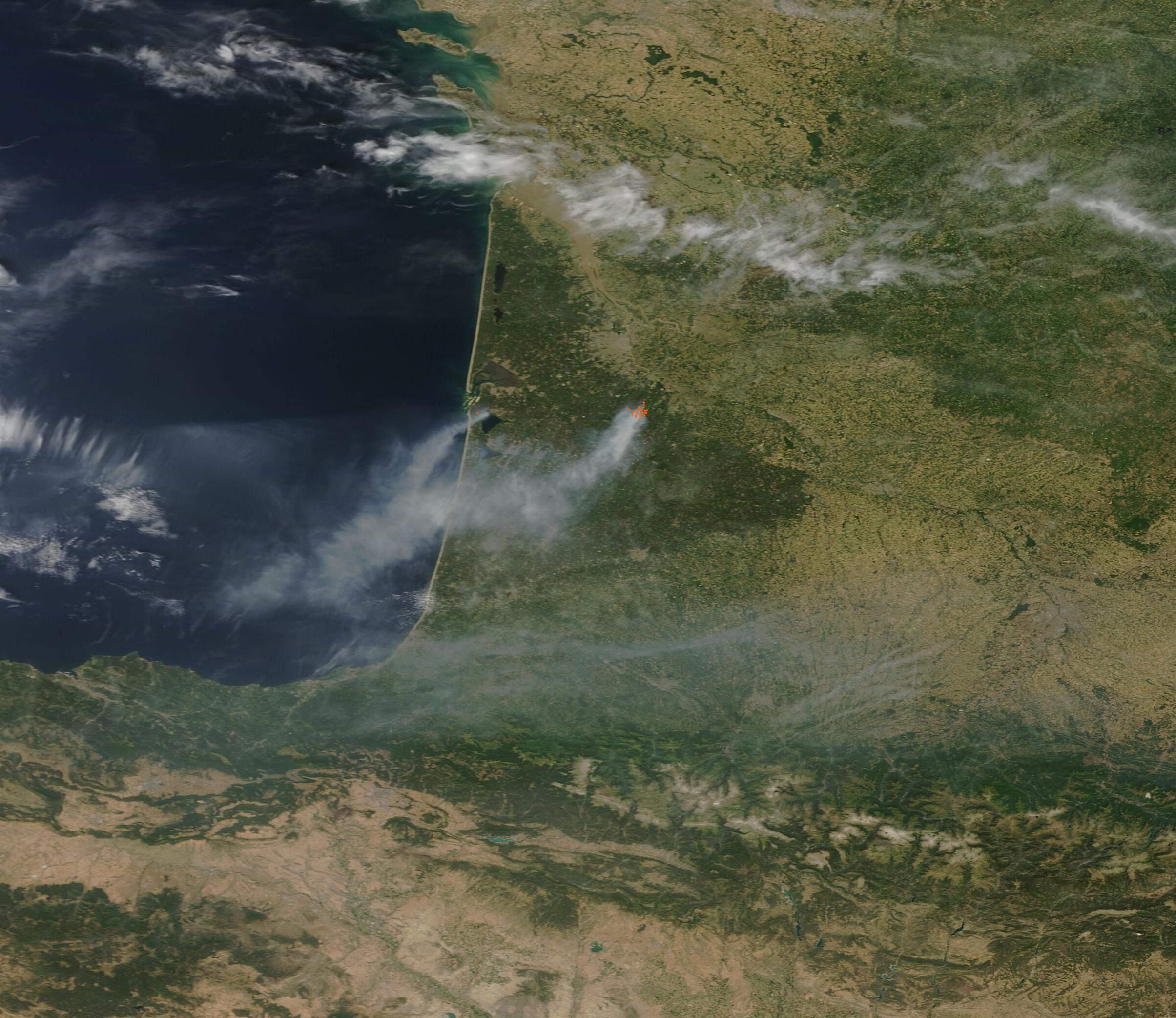
Authorities evacuated approximately 20,000 people [1] after a fast-spreading wildfire broke out in southwest France near the city of Bordeaux.
The scale of the evacuation highlights the increasing vulnerability of European tourism hubs to extreme weather events. As high temperatures and drought conditions persist, the rapid movement of these fires threatens both populated residential areas and critical infrastructure.
Emergency services focused their efforts on the region surrounding Bordeaux, where the fire moved quickly through the landscape. The evacuation included thousands of tourists [2] who were visiting the area during the peak travel season. Officials said the clearance of six different campsites [4] was ordered to prevent casualties as the flames approached.
The conditions that fueled the blaze were attributed to a combination of severe drought and high temperatures. These factors created a volatile environment that allowed the fire to spread rapidly across the rural terrain, making containment difficult for first responders.
This event is part of a broader trend of environmental instability across the country. Reports indicate that wildfires have burned 44,000 hectares [3] of land in France this year. The consistent loss of forest and shrubland suggests a growing pattern of seasonal volatility that continues to challenge regional emergency management systems.
“Approximately 20,000 people were evacuated from the region.”
The evacuation of 20,000 people near a major hub like Bordeaux underscores the intersection of climate-driven drought and the logistical challenges of protecting high-density tourist zones. With 44,000 hectares already burned across France, the scale of these fires suggests that traditional containment strategies may be insufficient against the current pace of environmental degradation in Southern Europe.


