
French health officials and agricultural experts are warning of rising cadmium levels in national soils and food supplies [1].
This contamination threatens public health and the safety of the food chain, as the heavy metal accumulates in the body over time. The issue has sparked a political and environmental debate regarding the sources of agricultural inputs and the necessity of stricter mitigation measures.
Investigators have linked the increase in cadmium concentrations to the widespread use of phosphate fertilizers. Because cadmium is often found naturally within phosphate rock, the application of these fertilizers to agricultural lands allows the metal to leach into the soil and be absorbed by crops [1].
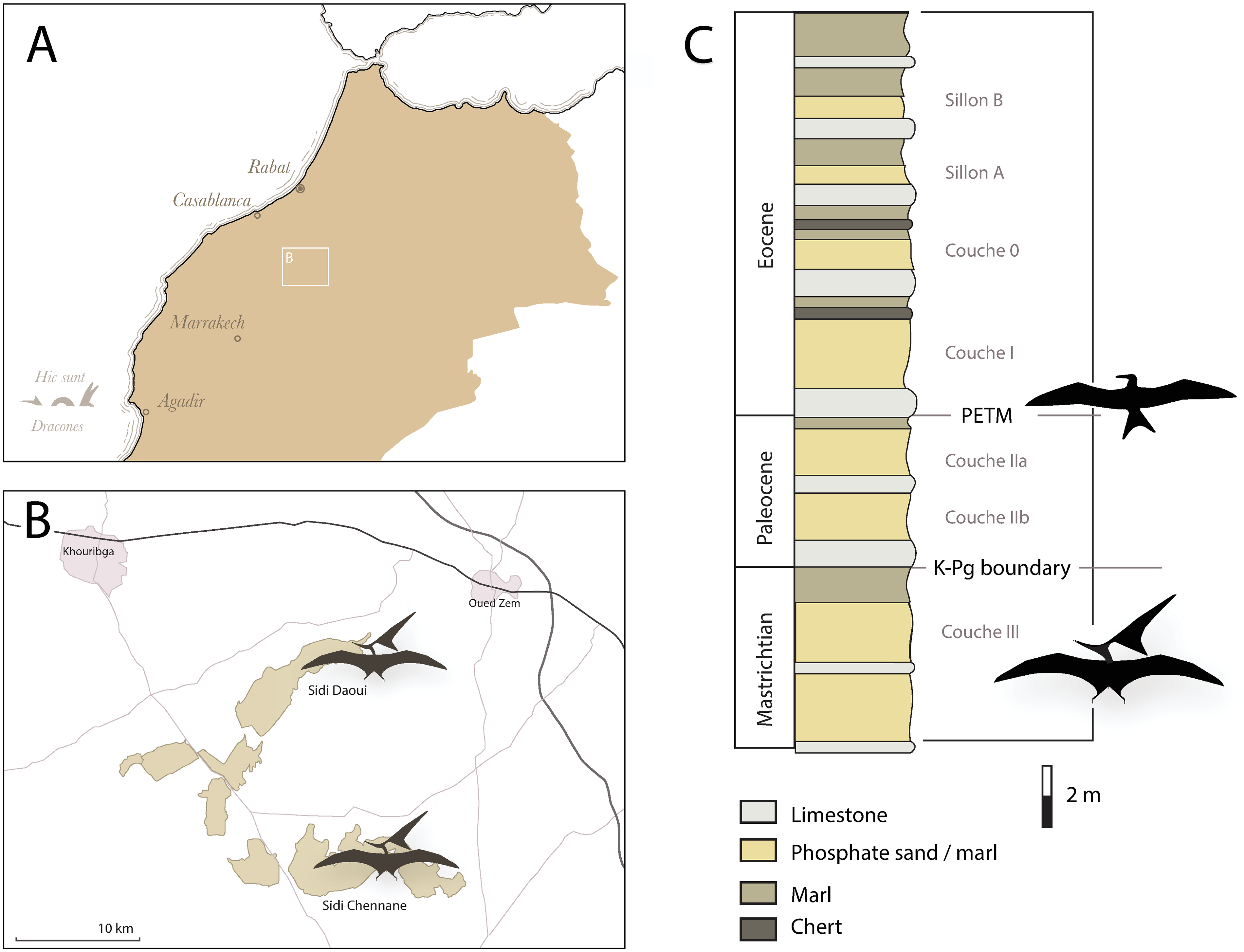
Much of the focus has shifted toward the origin of these imports. Morocco holds the world's largest phosphate reserves [1], making it a primary supplier for the fertilizer market used by French farmers. The reliance on these imports has created a tension between the need for high-yield crop production and the long-term health of the environment.
Agricultural experts said the accumulation of cadmium in the soil is a slow process that can lead to long-term systemic contamination. Once the metal enters the food supply, it can pose significant risks to human health, particularly affecting the kidneys, and skeletal system.
Officials are now weighing how to balance agricultural productivity with safety standards. This includes exploring ways to reduce cadmium content in fertilizers, or implementing more rigorous soil monitoring across French farming regions [1].
“France is debating how rising cadmium levels in soils and food could pose a health crisis.”
The situation in France highlights a critical vulnerability in globalized agriculture, where the pursuit of food security through high-yield fertilizers can introduce systemic environmental toxins. As Morocco maintains a dominant position in the phosphate market, France's struggle to mitigate cadmium levels may lead to new European regulatory standards for fertilizer purity or a shift toward alternative soil nutrients to protect public health.


