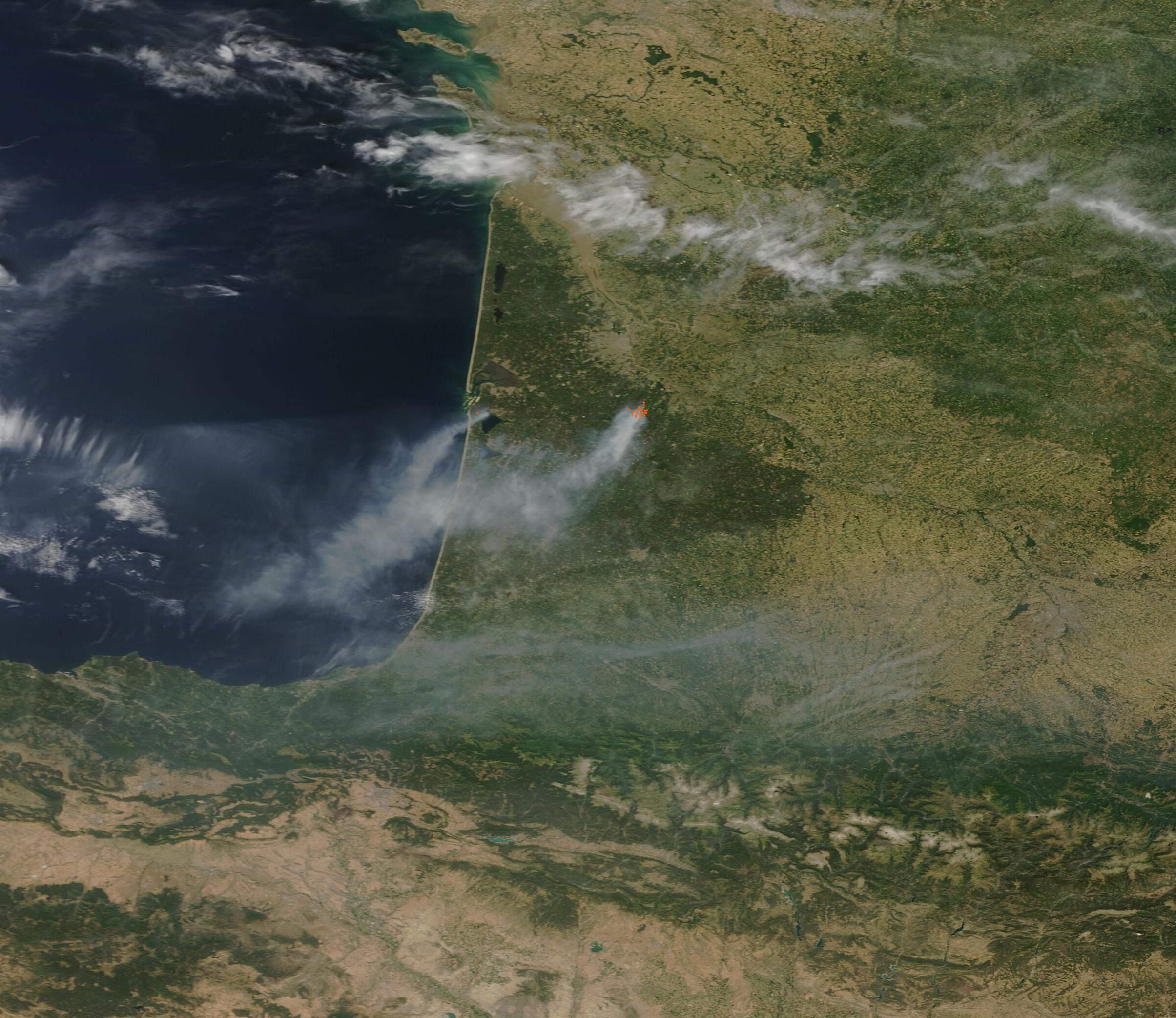
French authorities ordered the total evacuation of the Cap Ferret peninsula on Friday after a major wildfire threatened the Atlantic coast region [1].
The evacuation of this high-profile tourism hotspot is critical because of the immediate danger to visitors and the potential for severe economic disruption to the local tourism industry [2]. The peninsula, located in the Gironde department, is a primary destination for travelers during the summer season [1].
Emergency services coordinated the removal of residents and tourists as flames spread across the landscape [2]. The scale of the fire necessitated a complete clearance of the area to ensure public safety and allow firefighting crews to operate without civilian interference [3].
Local officials said they focused on the rapid movement of people away from the fire's path. The Atlantic coast's geography, characterized by narrow strips of land and dense vegetation, can create challenging conditions for containment when winds drive fires toward residential and commercial zones [1].
While the immediate priority remains the safety of those fleeing the area, the event highlights the increasing vulnerability of French coastal regions to extreme weather events [3]. The Gironde department has seen repeated threats from wildfires, which often endanger both the natural environment and the infrastructure supporting the regional economy [2].
Authorities said they continue to monitor the perimeter of the blaze to prevent further leaps across the peninsula. The evacuation remains in effect until fire crews can guarantee that the threat to life and property has subsided [1].
“French authorities ordered the total evacuation of the Cap Ferret peninsula”
The total evacuation of Cap Ferret underscores the growing tension between France's reliance on seasonal tourism and the increasing frequency of climate-driven wildfires. Because these hotspots are often located in ecologically sensitive areas with limited exit routes, a single major fire can paralyze an entire local economy and necessitate massive state-led emergency interventions.


