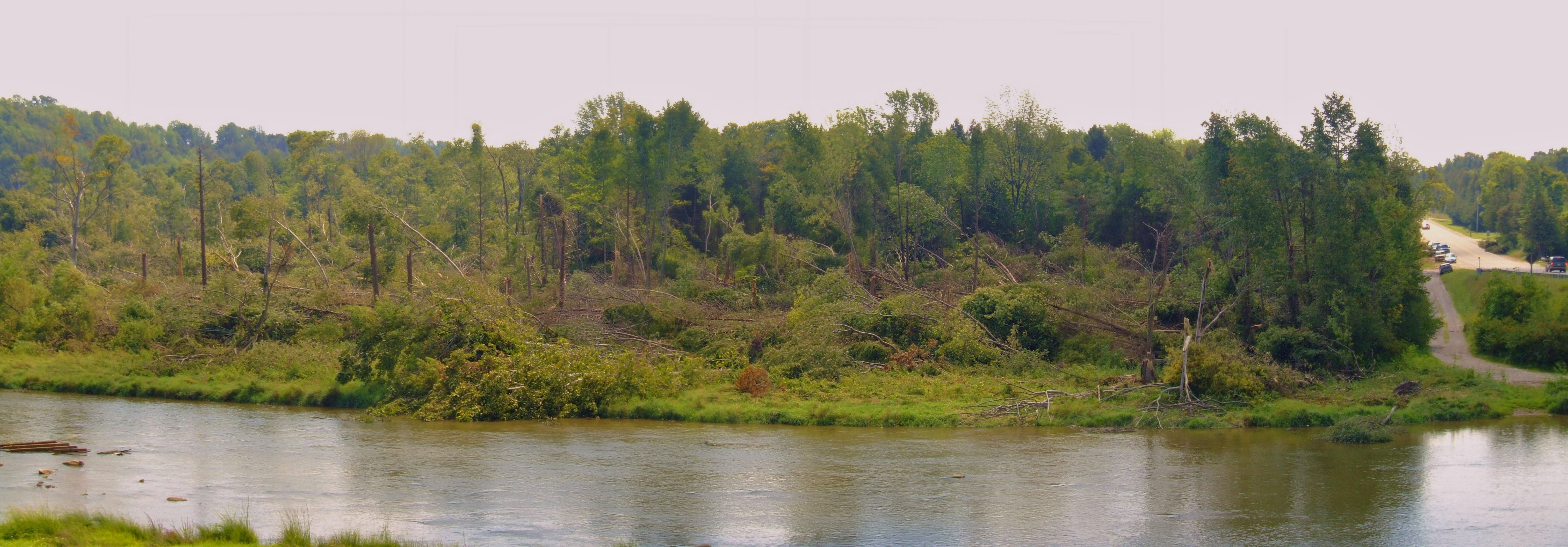
A rare tornado struck southern France on Monday, injuring at least 26 people and damaging approximately 100 homes [1, 2].
The event is significant because tornadoes of this intensity are uncommon in the Aude department, where the local infrastructure is not typically built for such wind speeds.
The storm hit the communes of Pomas and Limoux near Carcassonne [1, 2, 3]. Meteorological data indicates the tornado formed beneath a mature supercell thunderstorm, a rare occurrence for the region [1, 4]. Wind gusts were recorded at speeds up to 117 km/h [3].
Emergency responders said at least 26 people sustained injuries [2]. While some reports describe the number of injured as dozens, official counts maintain the minimum of 26 [2, 5].
The physical damage was widespread across the affected villages. About 100 homes suffered damage [1], and thousands of residences were left without power following the storm [5].
Local authorities in the Aude department managed the response as crews worked to clear debris from roads and restore electricity. The storm's path caused significant disruption to the popular southern region, though no fatalities were reported in the initial assessments.
“A rare tornado struck southern France on Monday, injuring at least 26 people.”
The occurrence of a supercell-driven tornado in southern France highlights an increasing volatility in European weather patterns. While the region experiences seasonal storms, the formation of a mature supercell suggests atmospheric conditions that are more characteristic of the US Midwest, potentially requiring a reassessment of regional emergency preparedness and building codes.


