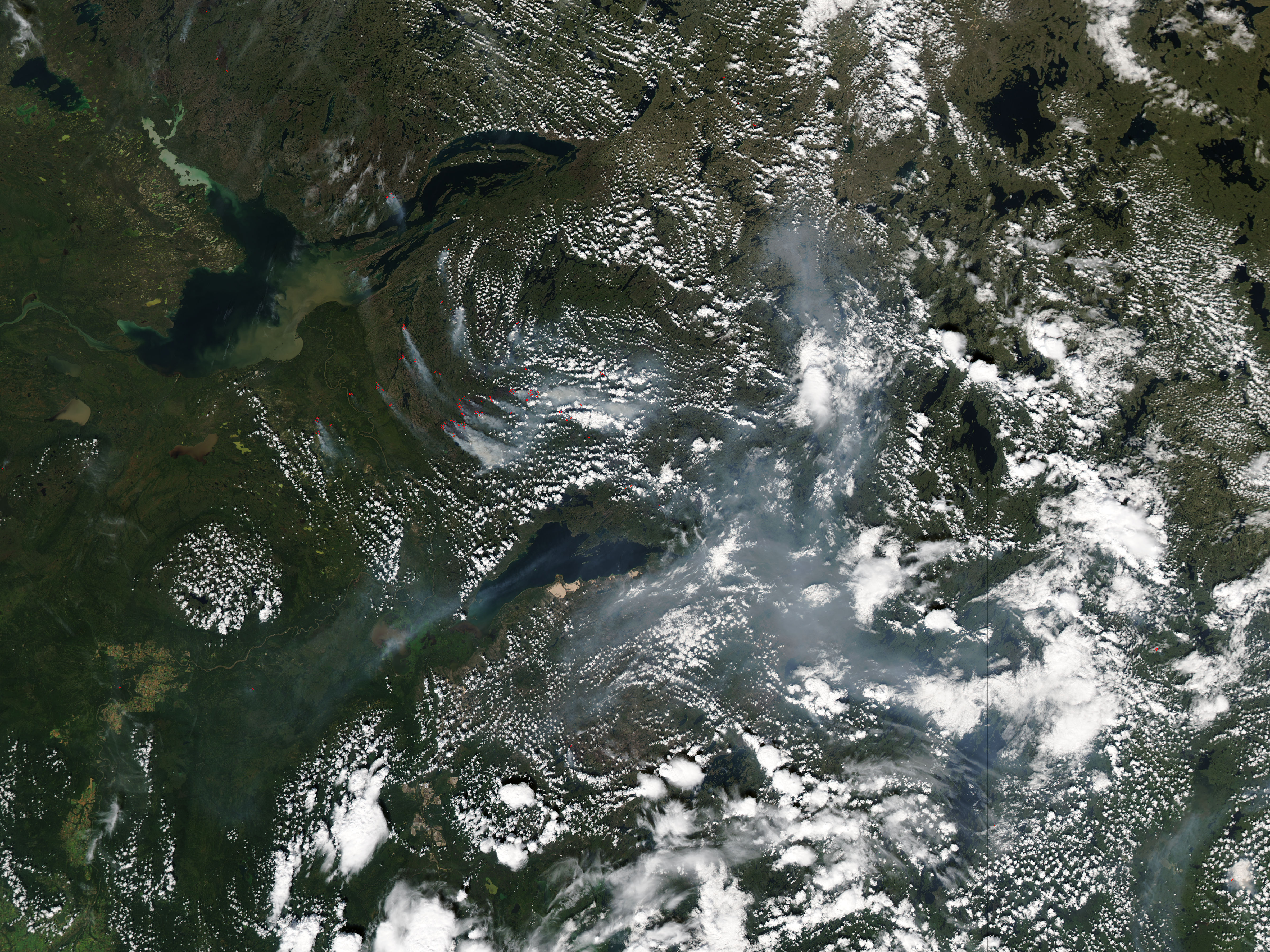
Repeated early heat waves in May 2026 have accelerated France's fire season and increased the intensity of wildfires across the country [1, 2].
This shift in timing is critical because early heat episodes can dry out vegetation more aggressively than traditional summer heat waves, creating a more volatile environment for wildfires [2, 3].
During the week of May 22-24, 2026, France experienced a heat wave described as the earliest recorded since 1945 [4]. On May 24, 2026, heat records for the month of May were broken [5], and the "vigilance jaune canicule"—a yellow heat alert—was extended to 13 departments [6].
Lieutenant-colonel Eric Brocardi, spokesperson for the Firefighters Federation, said that everything is being implemented to control all fires [1]. The persistence of high temperatures has led to a rapid drying of vegetation, which increases both the risk of ignition, and the overall severity of the blazes [2, 3].
These conditions in France mirror a broader global trend of extreme temperatures. Between mid-April and May 2026, maximum daily temperatures in some regions of India exceeded 46 °C [7]. By the end of April 2026, 98 of the 100 hottest cities in the world were located in India [8].
Experts said that early heat episodes may have more significant consequences than typical summer heat waves due to the way they prime the landscape for combustion [2]. The French firefighting forces remain mobilized across the national territory to manage the heightened risk as the season progresses [1].
“"Everything is being implemented to control all fires"”
The advancement of the fire season into May indicates a shift in climatic patterns that challenges traditional emergency response timelines. By drying out fuel sources earlier in the year, these heat waves extend the window of vulnerability for forests and urban fringes, requiring firefighting agencies to maintain peak readiness well before the peak of summer.


