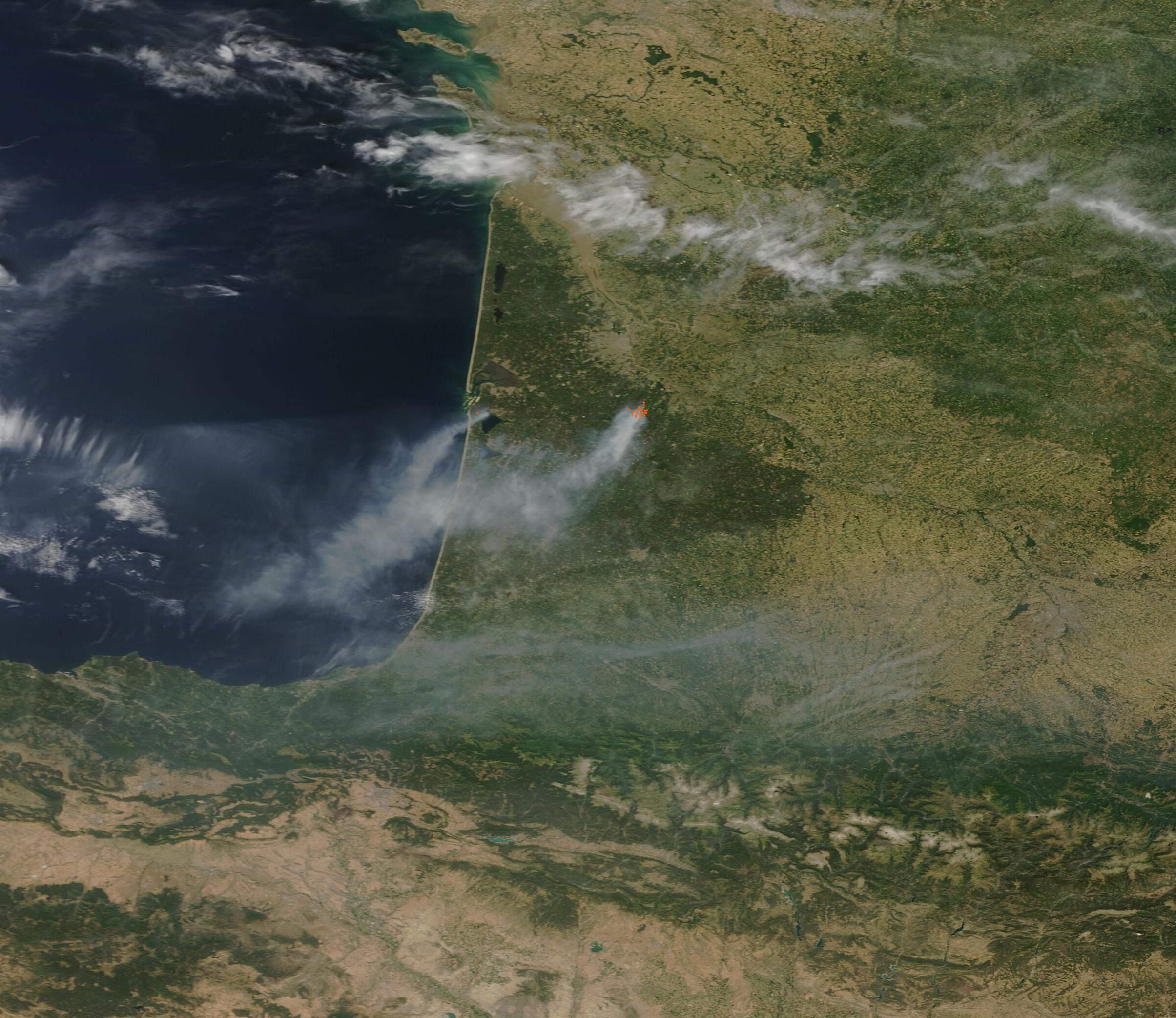
A record-breaking heatwave across Western Europe has caused power disruptions and an estimated 1,000 excess deaths in France [1].
The scale of the crisis underscores the increasing vulnerability of European infrastructure and public health systems to extreme temperature spikes. As cities like Paris struggle with the heat, the event serves as a critical data point for the accelerating impact of climate change on densely populated regions.
The heatwave began around June 18, 2026 [2], and persisted through at least June 28, 2026 [1]. While the temperatures affected much of Western Europe, France has been the most heavily impacted. French Health Minister Olivier Véran said, "We are seeing an unprecedented number of excess deaths" [1].
Climate scientists have linked the severity of the event directly to planetary warming. Prof. Claire Le Goff said that global warming has amplified this heatwave by 2–4 °C [2]. This temperature boost has pushed the weather event beyond historical norms, causing significant damage to infrastructure and disrupting power grids across the region.
International leaders have responded to the crisis by highlighting the human cost of environmental neglect. U.N. climate chief Patricia Espinosa said, "This is a brutal reminder of the cost of global warming" [3].
French health officials continue to monitor the situation as the region attempts to recover from the peak temperatures. The death toll reflects a surge in mortality linked to heat stress, particularly among vulnerable populations in urban centers where the heat island effect is most pronounced.
“"We are seeing an unprecedented number of excess deaths,"”
The 2026 European heatwave demonstrates that climate amplification is no longer a future projection but a current reality. By adding 2–4 °C to an already extreme weather event, global warming transforms manageable heat into a lethal public health crisis. This event suggests that existing European urban infrastructure is insufficient for the new temperature baseline, necessitating a rapid overhaul of cooling systems and emergency health protocols.


