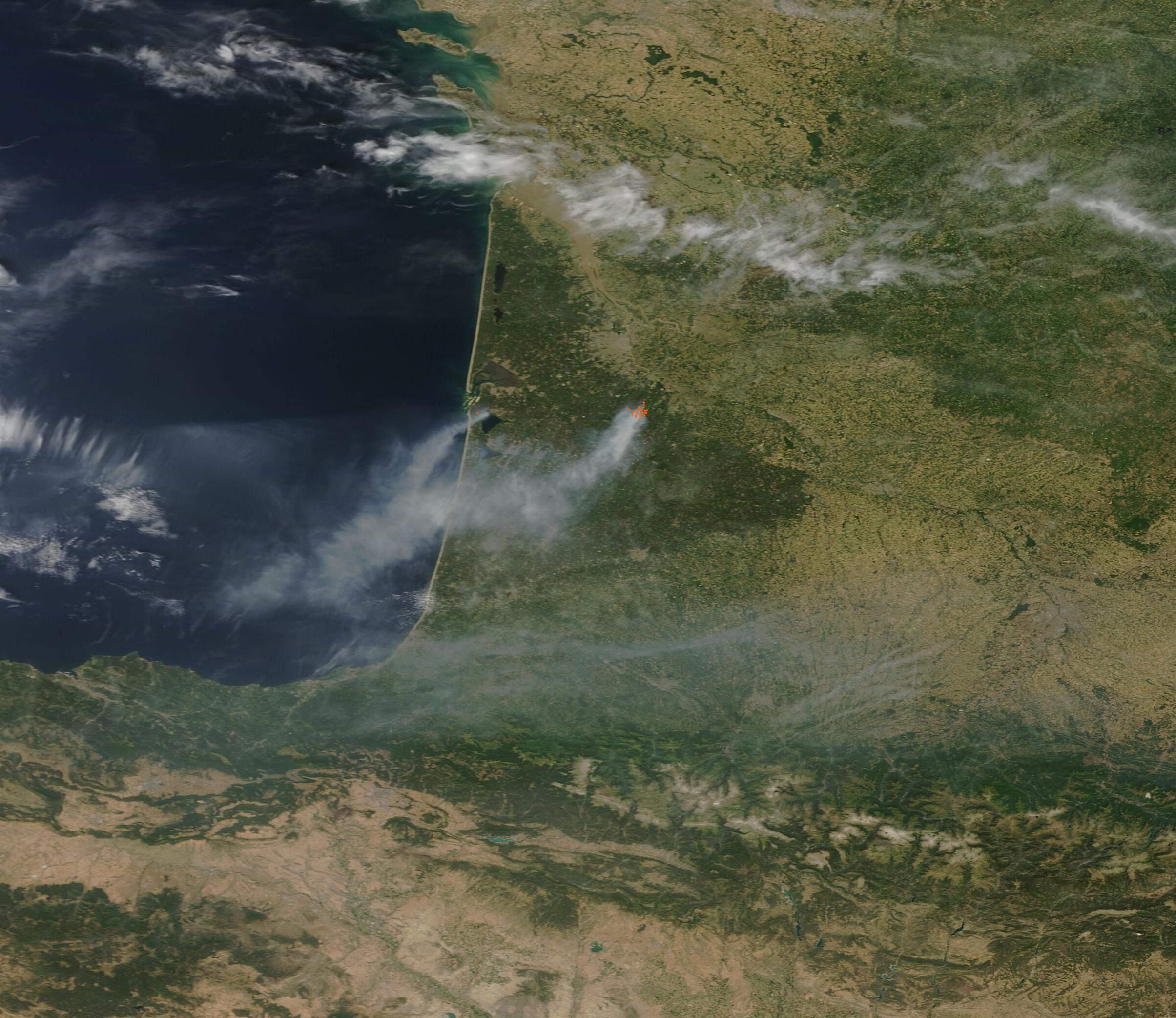
The Gironde prefecture ordered the evacuation of the Cap-Ferret peninsula on Friday morning as a massive wildfire advanced toward the region [1].
This emergency measure highlights the extreme vulnerability of southwestern France to seasonal fires, which threaten both dense residential populations and critical ecological zones near the Arcachon Bay.
Authorities issued the evacuation order around 4 a.m. on Friday, July 24 [1, 3]. The fire quickly spread across the Gironde department, forcing residents from the first villages on the peninsula to flee for their safety [1, 2].
Reports on the scale of the destruction vary as the fire continues to move. Some sources said the fire has burned 4,800 hectares [4], while others said 8,700 hectares [5]. The most severe estimates indicate the blaze has ravaged more than 10,000 hectares [3].
The displacement of the local population is significant. One report said approximately 20,000 people were evacuated [2], while another estimate places the number of evacuees at around 40,000 [6].
French President Emmanuel Macron has called for European reinforcements to assist in containing the blaze [2]. The fire has already resulted in the loss of 80 homes [6]. Emergency services remain on high alert as they work to prevent the fire from cutting off the peninsula entirely, a critical concern given the geography of the region near the bay [2, 5].
“The Gironde prefecture ordered the evacuation of the Cap-Ferret peninsula.”
The scale of the Cap-Ferret evacuation and the request for international aid underscore a growing crisis in wildfire management in Southern Europe. The discrepancy in burned acreage and evacuation numbers reflects the chaos of a rapidly evolving disaster, but the consistent report of thousands of hectares lost indicates a failure of containment that could lead to long-term ecological damage and significant economic loss for the tourism-heavy Arcachon Bay region.


