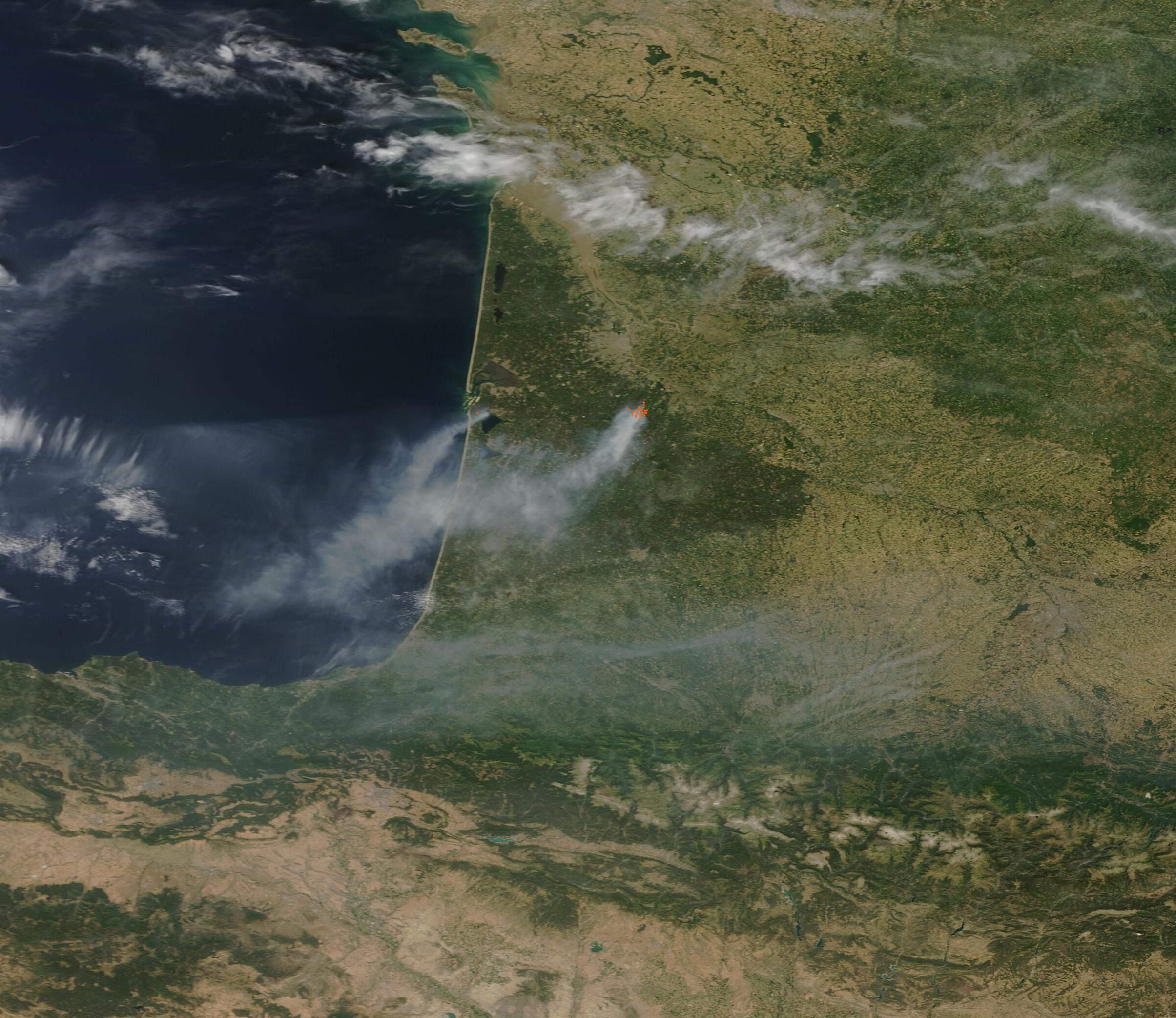
Firefighters in the Gironde department of southwestern France are working to extinguish remaining forest-fire hotspots [1].
The effort is critical because severe drought and high temperatures have increased fire risks across the region. If hotspots remain active, the arrival of another heat wave could trigger new, uncontrollable blazes in the dry vegetation near Bordeaux [1].
Emergency crews are focusing their operations on the Gironde region to secure the landscape before weather conditions deteriorate further. The region has been plagued by a combination of extreme heat and a lack of rainfall, leaving the forests highly combustible [1].
Authorities are racing against the clock to clear these pockets of fire. This urgency is driven by forecasts indicating the arrival of a fourth heat wave [1] later this summer. Such weather patterns create a volatile environment where small embers can quickly escalate into large-scale wildfires, threatening both natural habitats and local communities [1].
The current operation involves targeted efforts to cool the ground and remove smoldering debris. By neutralizing these hotspots now, firefighters aim to reduce the likelihood of spontaneous reignition when the next spike in temperature occurs [1].
“Firefighters in the Gironde department of southwestern France are working to extinguish remaining forest-fire hotspots.”
The struggle to contain hotspots in Gironde highlights the increasing vulnerability of Southern Europe to 'fire weather.' As heat waves become more frequent and severe, the window for firefighters to fully extinguish blazes shrinks, shifting the strategy from simple suppression to a race against predictable meteorological cycles.


