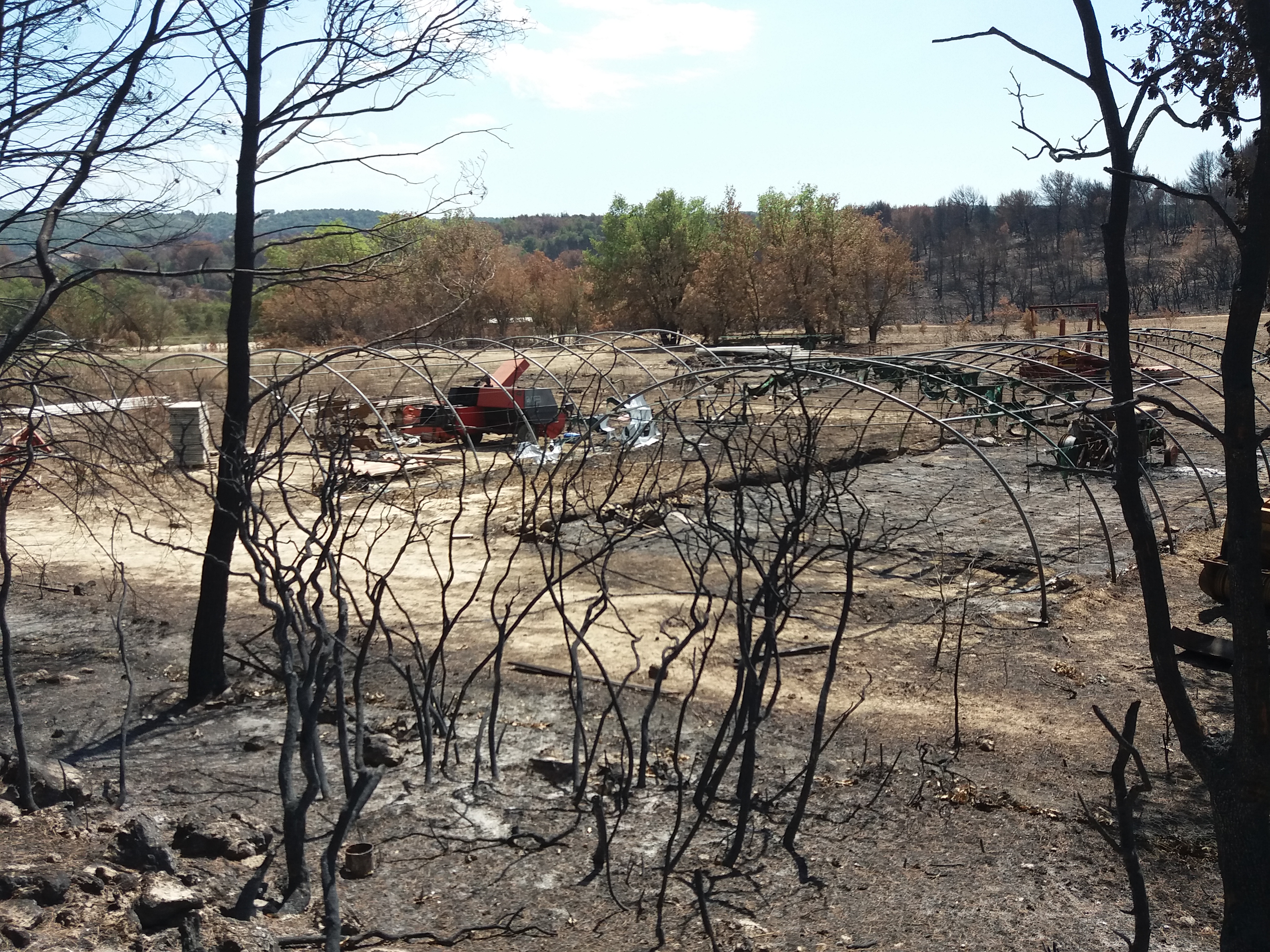
Wildfires in southwestern France remain uncontained one week after they ignited, threatening further spread as a new heat wave begins today [1].
The persistence of these fires highlights a critical vulnerability in regional emergency response, as dry conditions and a shortage of firefighters hinder containment efforts. With temperatures expected to soar, the risk to residential areas and urban centers has intensified.
The fires began around July 22 [1], with hot winds fueling the initial spread. The Deputy Mayor of Le Porju said hot winds arrived on the first day, and by the second day, flames blowing from the northwest caused the area to burn quickly [2].
To date, the blazes have destroyed 180 households [1]. The Mayor of Bordeaux said the fire has approached within approximately 15 km of the city centre [1]. This proximity puts one of France's major urban hubs at risk as the wind and heat continue to fluctuate.
Authorities are now bracing for the fourth heat wave of the summer [1]. Forecasts for July 28 indicate temperatures reaching 40 °C [1]. This extreme heat is expected to further dry out vegetation, making the remaining fires more volatile and difficult for crews to manage.
President Emmanuel Macron visited the affected zone to assess the damage and the ongoing response. Macron said the situation remains severe and that vigilance must continue for the next several days [2].
Local residents in Le Porju and surrounding areas in the Gironde department continue to face evacuation risks as firefighters battle the blaze. The combination of persistent drought and the approaching temperature spike has left officials concerned that the fire may expand beyond current containment lines [1, 2].
“The fire has approached within approximately 15 km of the city centre”
The recurrence of extreme heat waves—this being the fourth of the season—coupled with the inability to contain a week-old fire, suggests that traditional firefighting resources in the Gironde region are being overwhelmed by shifting climate patterns. The proximity of the fire to Bordeaux indicates that wildfires are no longer confined to remote forests but are posing a direct threat to high-density urban infrastructure.


