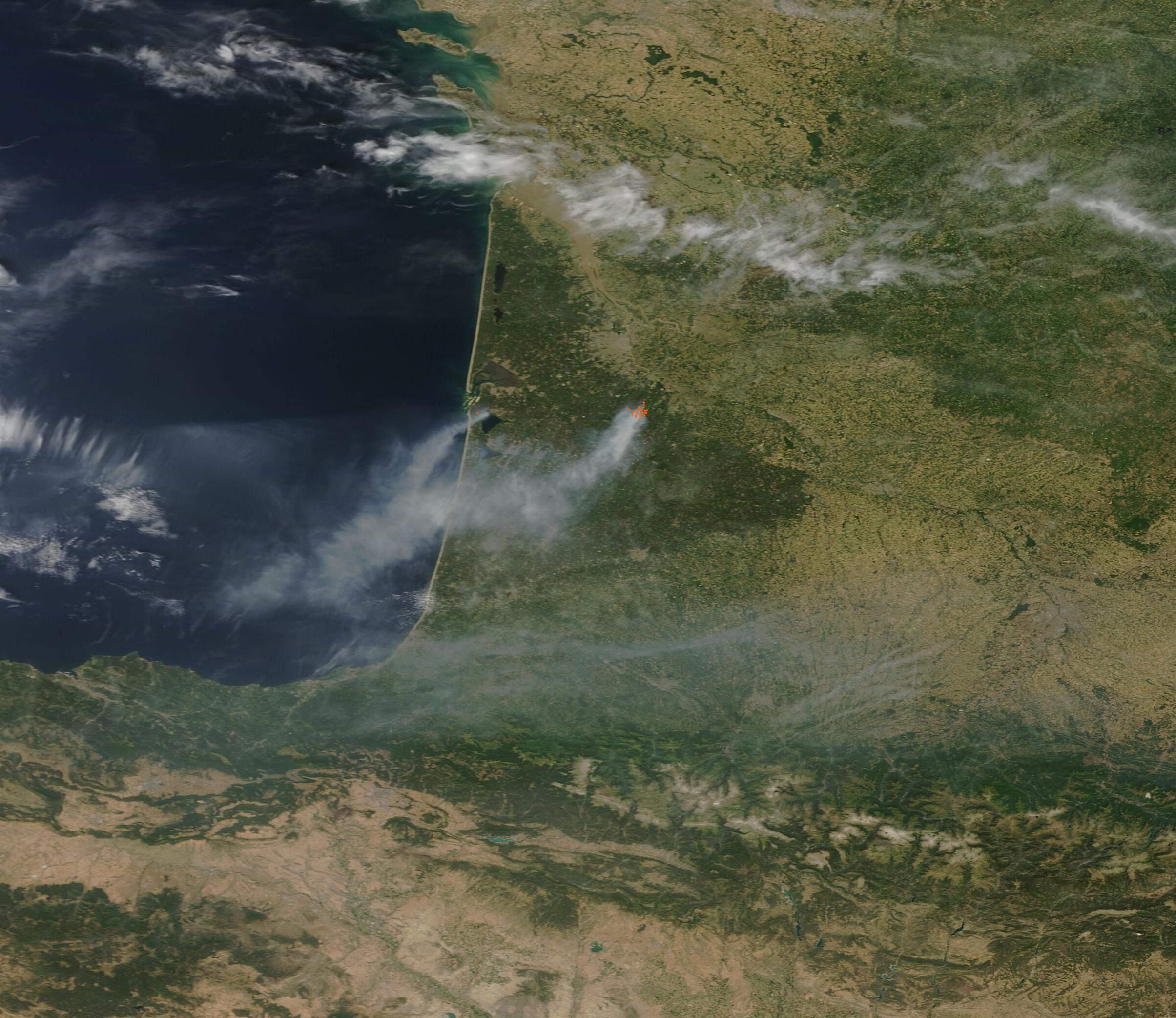
France recorded at least 1,000 more deaths than normal during an exceptional heatwave that began on June 24 [1].
The scale of the mortality has triggered a political confrontation regarding the state's readiness to handle extreme climate events. Critics argue that the government failed to implement sufficient protections for vulnerable populations despite previous historical warnings.
Emergency services and hospitals experienced a significant surge in heat-related admissions throughout the week. In the Nord and Hauts-de-France regions, authorities maintained a red vigilance alert until 10 p.m. on June 27 [2]. While the alert has since been lifted for all departments in those regions, the impact on infrastructure and public health remains evident [2].
Marine Tondelier, a candidate for the 2027 presidential election, criticized the administration's handling of the crisis. She said that face to a very heavy human toll, some people must draw the consequences [1].
The current crisis comes 23 years after the devastating heatwave of 2003 [3]. In response to the recent events, some officials have suggested the creation of a second "solidarity day" to help manage the societal, and economic costs of such disasters [3].
Environmental damage also accompanied the temperature spikes. In Lille, the region dealt with the aftermath of both the heat and previous storms, including a plane tree that broke on Boulevard Victor-Hugo during a storm on June 19 [4].
Government spokesperson Maud Bregeon has been tasked with addressing the fallout as the nation evaluates its climate adaptation strategies [1].
“"Face au bilan humain très lourd," "certains devront en tirer les conséquences"”
The 2026 heatwave highlights a critical gap in France's climate resilience infrastructure. By linking the current mortality rate to the 2003 disaster, political opponents are framing the event not as an unpredictable natural disaster, but as a failure of governance and preparedness in the face of predictable global warming trends.


