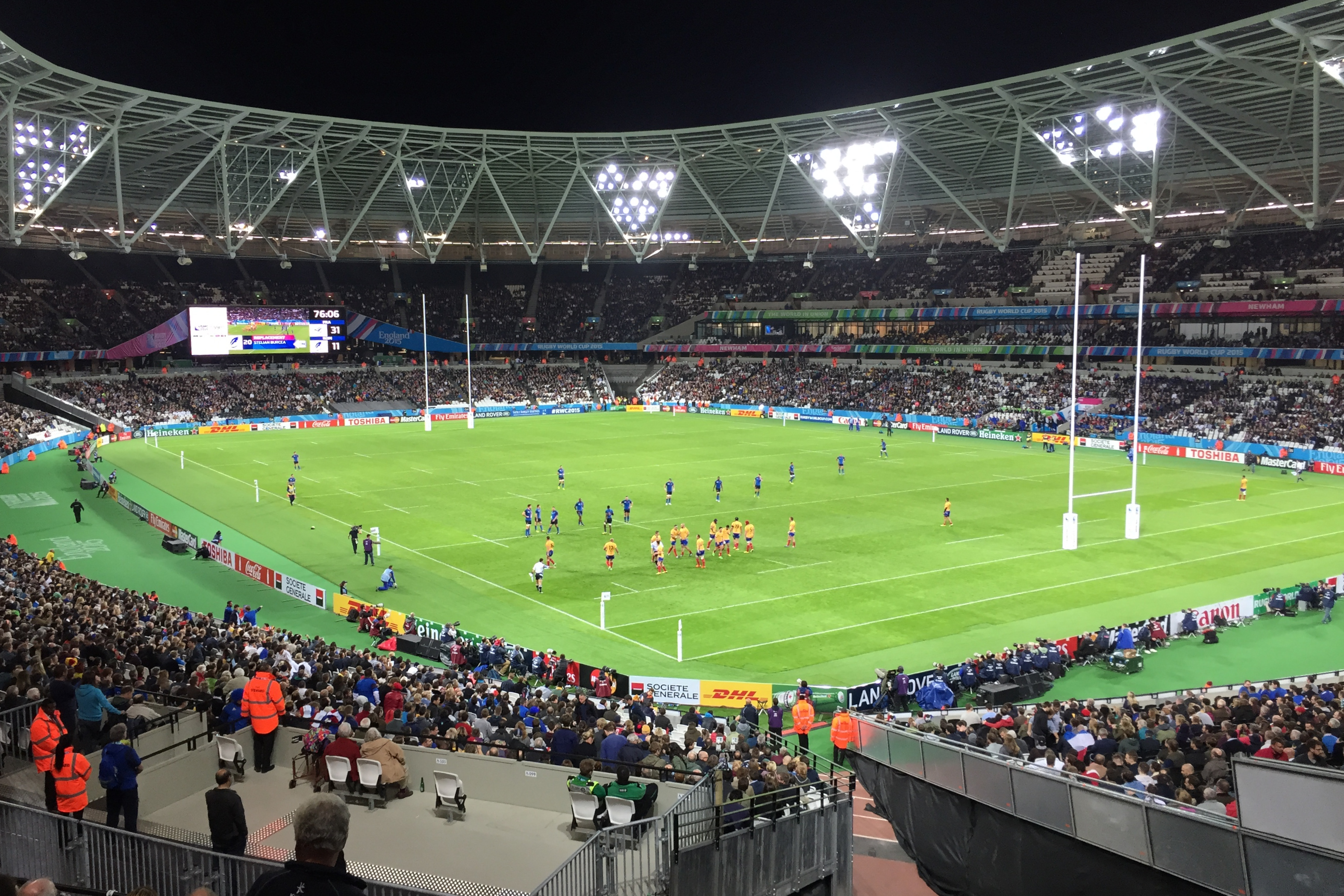
France and Norway are preparing for their final group-stage encounter of the 2026 FIFA World Cup.
This match represents a critical juncture for both nations as they vie for advancement from Group I. Because France entered the tournament as the favorite in the group [3], the result will determine if they maintain their dominant standing or face an unexpected upset from the Norwegian side.
Mehdi Maïzi and a panel of guests discussed the upcoming clash during a radio segment on France Inter [1]. The broadcast focused on sharing ambitious predictions to engage listeners ahead of the game [1]. The discussion comes as the tournament reaches a pivotal stage for the teams in Group I, which consists of France, Norway, Senegal, and Iraq [2].
France began its campaign on June 16, 2026, with an opening match against Senegal [1]. That initial fixture set the tone for a group that has seen high stakes for all four participating nations. The upcoming match against Norway serves as the final hurdle in the group stage, a phase where a single result can shift the trajectory of a team's entire tournament.
While the specific score predictions from the France Inter segment remained varied, the overarching sentiment emphasized the high expectations placed on the French squad. The team has carried the pressure of being the group favorite throughout the opening matches [3]. Norway, meanwhile, seeks to disrupt that narrative in the final group game.
As the teams prepare for the pitch, the focus remains on whether France can translate its status as the favorite into a decisive victory. The outcome will finalize the standings for Group I and determine which teams move forward into the knockout rounds of the competition.
“France is the favourite in Group I”
The conclusion of Group I is a litmus test for France's status as a tournament powerhouse. While they entered the competition as favorites, the final group match against Norway determines if their early-tournament momentum is sustainable or if the group stage presented a greater challenge than analysts predicted.
'%2F%3E%0A%20%20%20%20%3Crect%20width%3D'1600'%20height%3D'900'%20fill%3D'url(%23v)'%2F%3E%0A%20%20%20%20%3Cg%20opacity%3D'0.08'%20fill%3D'%23ffffff'%3E%0A%20%20%20%20%20%20%3Ccircle%20cx%3D'1420'%20cy%3D'180'%20r%3D'220'%2F%3E%0A%20%20%20%20%20%20%3Ccircle%20cx%3D'1500'%20cy%3D'760'%20r%3D'120'%2F%3E%0A%20%20%20%20%3C%2Fg%3E%0A%20%20%20%20%3Cline%20x1%3D'80'%20y1%3D'172'%20x2%3D'220'%20y2%3D'172'%20stroke%3D'%23ffffff'%20stroke-width%3D'3'%20stroke-opacity%3D'0.6'%2F%3E%0A%20%20%20%20%3Ctext%20x%3D'80'%20y%3D'140'%20font-family%3D'Inter%2C%20-apple-system%2C%20Helvetica%2C%20sans-serif'%20font-weight%3D'700'%20font-size%3D'28'%20fill%3D'%23ffffff'%20letter-spacing%3D'6'%3EHANNA%20%C2%B7%20NEWS%3C%2Ftext%3E%0A%20%20%20%20%3Ctext%20x%3D'80'%20y%3D'230'%20font-family%3D'Inter%2C%20-apple-system%2C%20Helvetica%2C%20sans-serif'%20font-weight%3D'600'%20font-size%3D'40'%20fill%3D'%23ffffffb3'%20letter-spacing%3D'4'%3EWORLD%3C%2Ftext%3E%0A%20%20%20%20%3Ctext%20x%3D'80'%20y%3D'622'%20font-family%3D'Playfair%20Display%2C%20Georgia%2C%20serif'%20font-weight%3D'800'%20font-size%3D'86'%20fill%3D'%23ffffff'%20letter-spacing%3D'-1'%3EVenezuela%20Rescue%20Teams%3C%2Ftext%3E%3Ctext%20x%3D'80'%20y%3D'721'%20font-family%3D'Playfair%20Display%2C%20Georgia%2C%20serif'%20font-weight%3D'800'%20font-size%3D'86'%20fill%3D'%23ffffff'%20letter-spacing%3D'-1'%3ESearch%20More%20Than%20300%3C%2Ftext%3E%3Ctext%20x%3D'80'%20y%3D'820'%20font-family%3D'Playfair%20Display%2C%20Georgia%2C%20serif'%20font-weight%3D'800'%20font-size%3D'86'%20fill%3D'%23ffffff'%20letter-spacing%3D'-1'%3ECollapsed%20Buildings%3C%2Ftext%3E%0A%20%20%20%20%3Ctext%20x%3D'80'%20y%3D'870'%20font-family%3D'Inter%2C%20-apple-system%2C%20Helvetica%2C%20sans-serif'%20font-weight%3D'500'%20font-size%3D'22'%20fill%3D'%23ffffff66'%20letter-spacing%3D'2'%3Enews.hanna-ai.com%3C%2Ftext%3E%0A%20%20%3C%2Fsvg%3E)