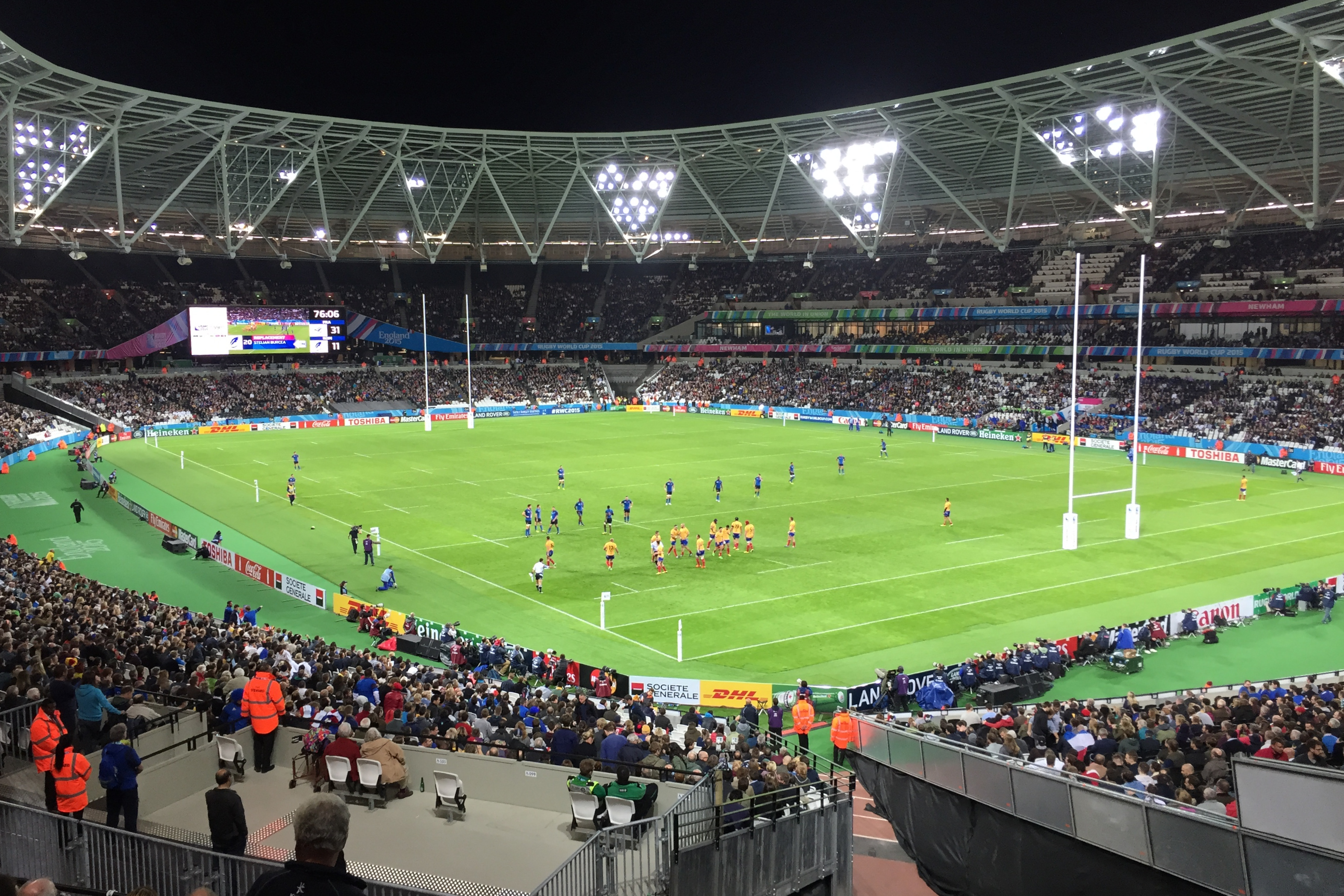
France and Senegal faced off in a Group I match during the 2026 FIFA World Cup on Tuesday, 16 June [1].
The fixture carries significant historical weight as it repeats the 2002 tournament opener. In that previous encounter, Senegal stunned France in a result that remains one of the most famous upsets in World Cup history [1, 2].
This meeting occurred on day six of the tournament [1]. Both teams entered the match seeking to establish dominance within Group I as they competed for a place in the knockout stages. The matchup represents a clash between two footballing powers with deep ties and a shared history of high-stakes competition on the global stage [2, 3].
Analysts said that the 2026 match serves as a modern bookend to the shock of two decades ago. While France has evolved into a consistent powerhouse since 2002, Senegal has solidified its position as a leading force in African football [1, 4].
The scheduling of the match on 16 June [1] placed it at a critical juncture of the group phase. Teams in Group I are fighting for limited spots in the next round, meaning every single point is vital for progression. The tactical battle between the two sides focuses on whether Senegal can replicate the disruptive energy of their 2002 performance against a more disciplined French side [2, 4].
Because the 2002 game was the very first match of that tournament, this rematch is viewed as a symbolic confrontation. It tests whether the historical precedent of the underdog victory can be repeated in the current era of the sport [1, 4].
“Senegal stunned France in a result that remains one of the most famous upsets in World Cup history.”
The rematch between France and Senegal is more than a standard group-stage game; it is a narrative collision of football history. By mirroring the 2002 opener, the match highlights the growth of Senegalese football and the enduring pressure on France to avoid a repeat of a historic embarrassment. The outcome will likely dictate the seeding and momentum for both teams as they navigate the high-pressure environment of Group I.


