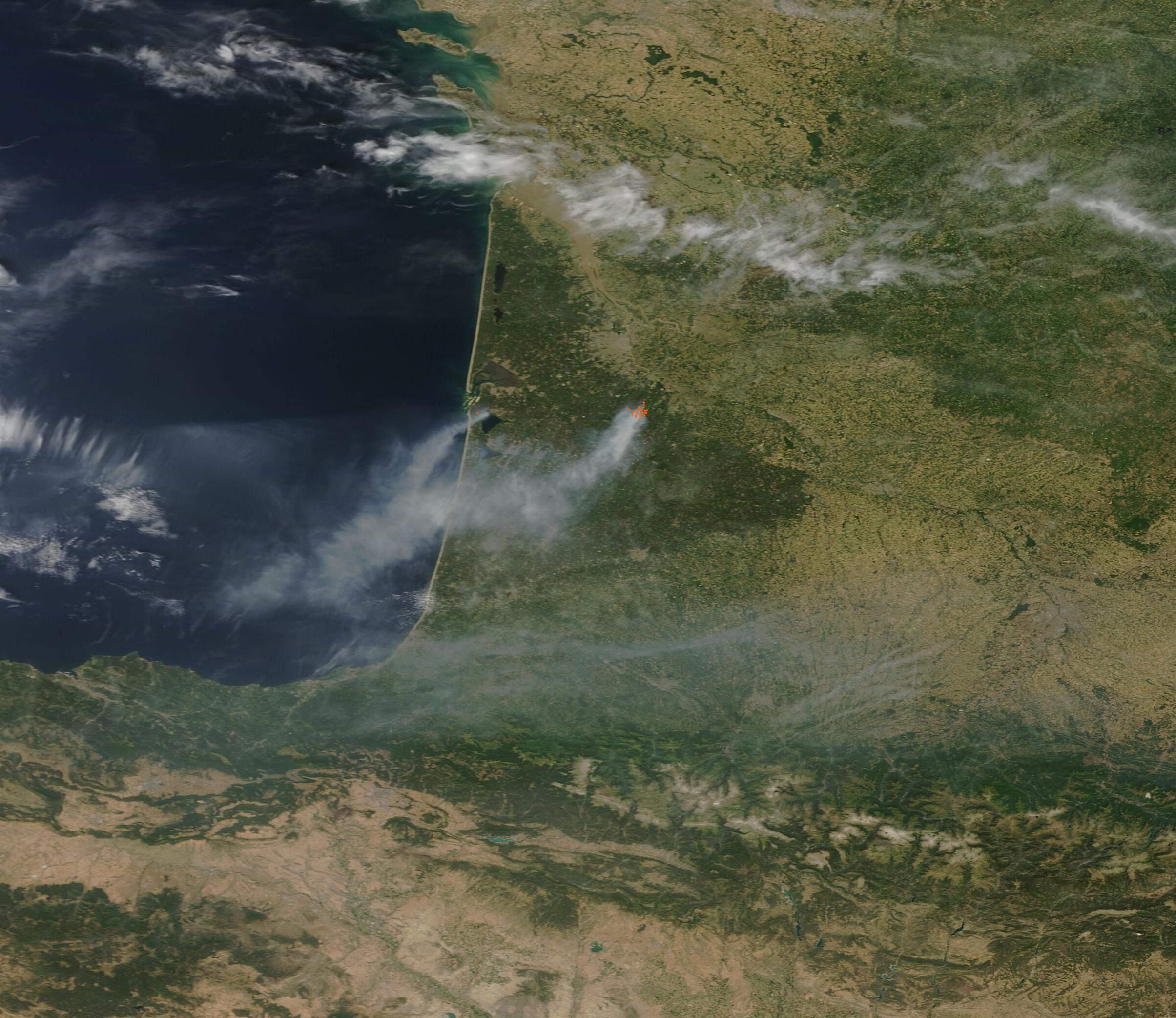
Wildfires destroyed more than 100 homes and forced tens of thousands of people to evacuate Le Porge in southwest France on Sunday [1, 2].
The scale of the destruction and the massive displacement of residents highlight the increasing vulnerability of coastal communities to extreme weather events. These blazes are part of a wider regional crisis affecting multiple European nations.
The fires struck the sea-facing town of Le Porge, located near Bordeaux [1, 2]. Local officials said that over 100 homes were destroyed as the flames spread through residential areas [2]. The disaster was intensified by a regional heatwave that left the landscape tinder-dry and susceptible to rapid ignition [1, 3].
Evacuation efforts have been extensive, though reported figures vary across agencies. NBC News said that 250,000 people were forced to flee their homes [3], while the Associated Press said 220,000 people were out of their homes [4]. The Associated Press also said that another 55,000 people were evacuated as the fire continued to rage [4]. Other reports from France24 said that more than 100,000 people had been evacuated [5].
The fires in France are not isolated incidents. Similar deadly wildfires have raged across parts of Italy and Spain [5]. The combination of extreme heat and dry conditions has created a volatile environment across the Mediterranean region, making containment efforts difficult for emergency services.
Residents of Le Porge and the surrounding areas continue to deal with the aftermath of the blaze. Emergency responders have focused on preventing further spread toward the coastline while managing the logistics of the displaced population.
“Wildfires destroyed more than 100 homes and forced tens of thousands of people to evacuate”
The simultaneous occurrence of devastating wildfires in France, Italy, and Spain suggests a systemic regional failure to mitigate heatwave-driven risks. The wide discrepancy in evacuation numbers—ranging from 220,000 to 250,000—reflects the chaotic nature of large-scale displacements during active crises and the difficulty of real-time census tracking in disaster zones.

