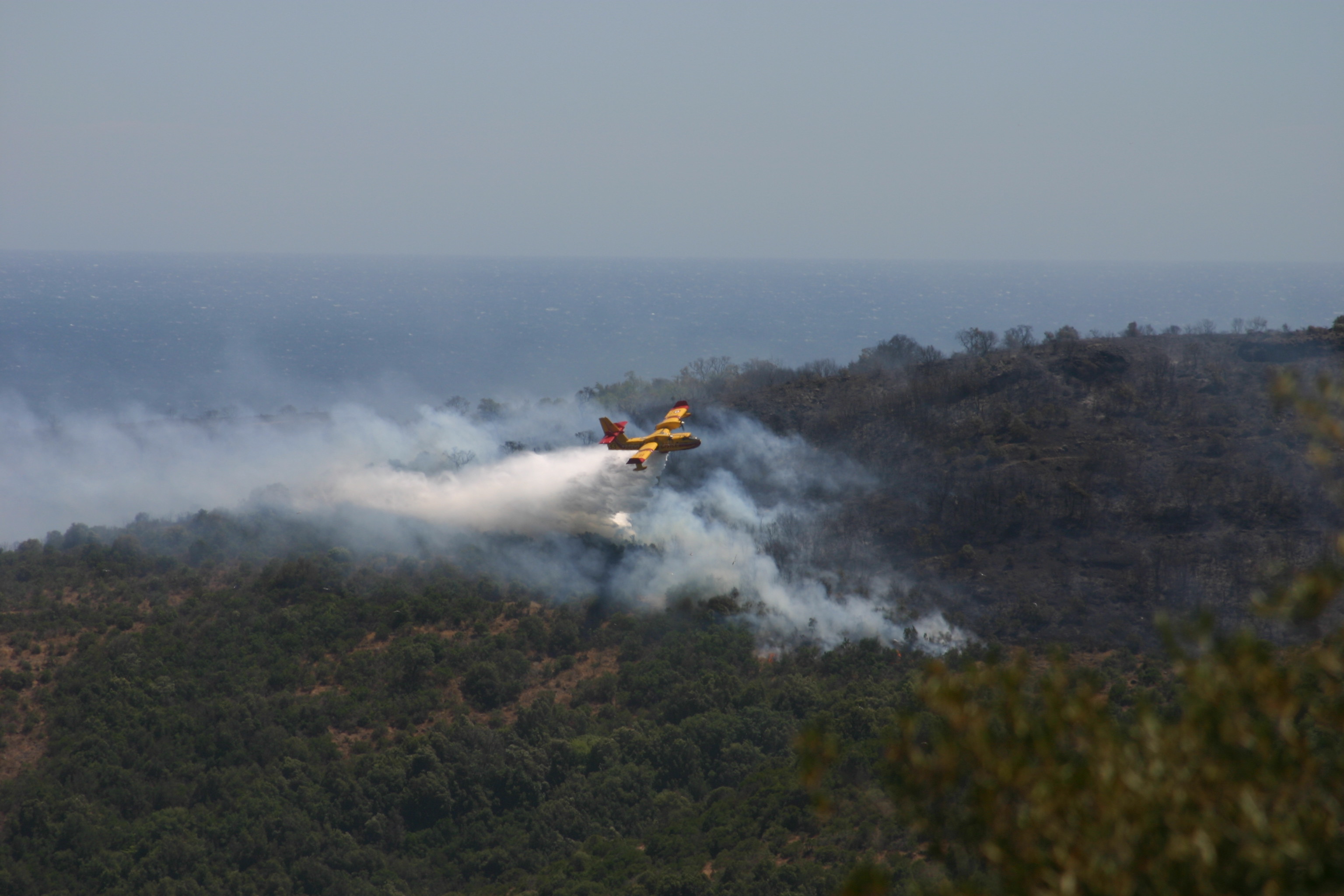
French and Spanish authorities are battling fast-moving wildfires that have forced hundreds of thousands of people to flee their homes this month [4].
The crisis underscores the increasing volatility of Mediterranean summers, where the combination of prolonged drought and extreme heat creates a high-risk environment for rapid fire spread.
Emergency crews are currently operating in multiple regions. In France, fires are raging through southeastern areas and coastal regions including Bordeaux [2, 3]. Spanish authorities are managing blazes threatening communities in Valencia and near Madrid [3].
Evacuation numbers vary across reports as the crisis evolves. French authorities recently ordered 4,000 additional people to evacuate coastal areas [1]. Other estimates indicate that around 166,000 people have been evacuated across both nations [3], while some reports place the number of displaced persons at more than 300,000 [2].
Firefighters are struggling against a confluence of environmental factors. Strong winds are pushing the flames quickly across the landscape, making containment difficult for ground crews. These conditions follow a period of extreme heat and prolonged drought that has left vegetation highly combustible [2, 3, 4].
Spanish Prime Minister Pedro Sanchez and French officials have coordinated responses to manage the expanding disaster [1, 2]. The scale of the displacement has put significant pressure on local infrastructure and emergency shelters as residents and tourists alike are forced from their homes [3].
“More than 300,000 displaced in France and Spain”
The simultaneous occurrence of large-scale wildfires in both France and Spain suggests a regional climate pattern of extreme instability. The disparity in evacuation numbers reflects the chaotic nature of fast-moving fire fronts, where displacement data fluctuates rapidly as new orders are issued to protect civilian populations from unpredictable wind shifts.


