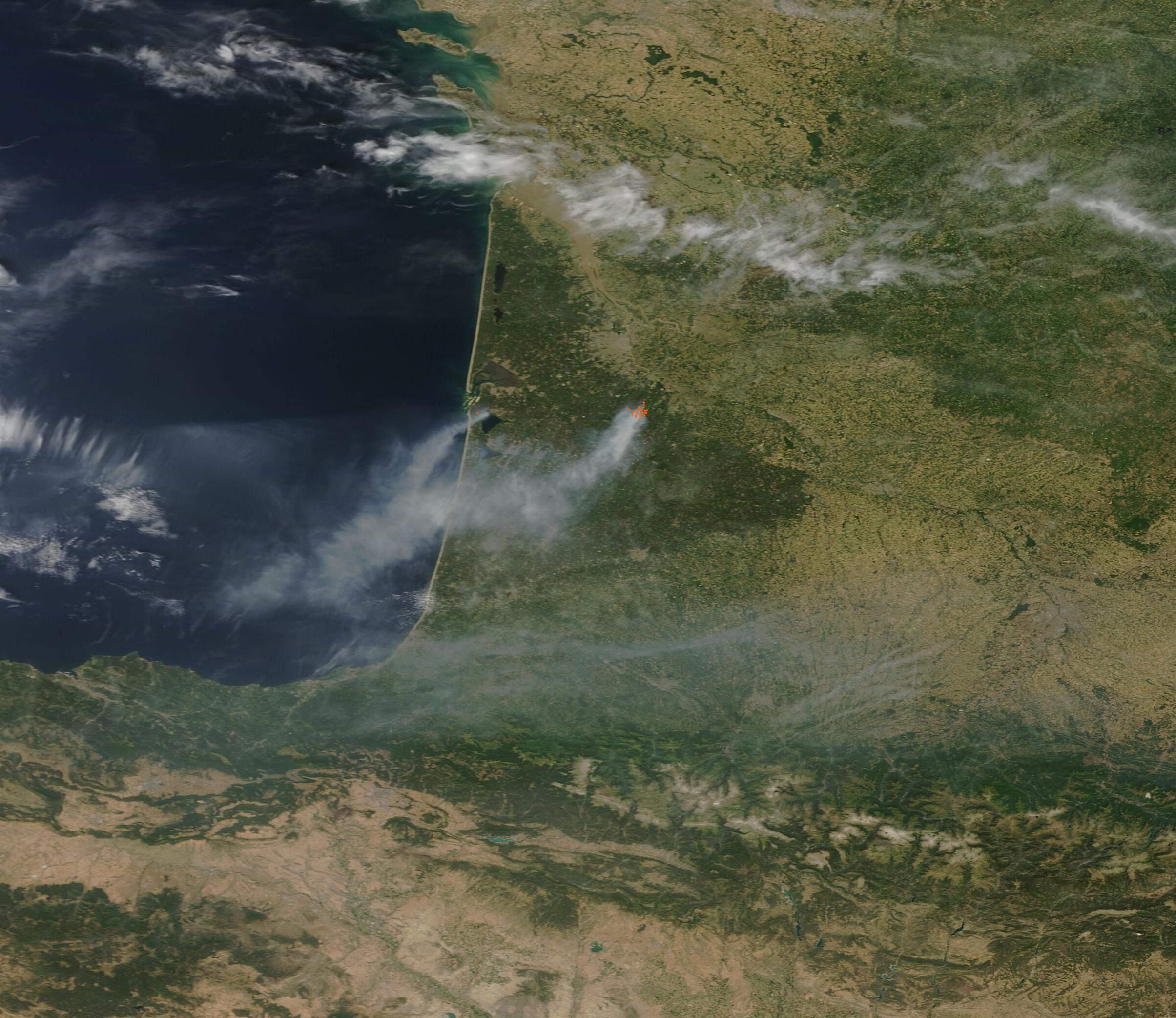
Rapidly spreading wildfires across France and Spain have forced thousands of residents and tourists to evacuate their homes and hotels this month [1].
The scale of the disaster highlights the increasing vulnerability of southwestern Europe to extreme weather. The blazes threaten both critical infrastructure and high-density tourist hubs during the peak summer season.
Emergency crews are battling flames fueled by extreme heat and dry conditions [1]. The fires have moved quickly through the region, including a French peninsula popular with international travelers [3]. This rapid spread has created a logistics crisis for local authorities attempting to clear roads and secure shelters.
Reports on the total number of displaced people vary significantly. CNN said that over 250,000 people have been evacuated [1]. Other reports indicate that 40,000 tourists and residents were forced to flee the French peninsula specifically [3], while other sources describe the overall scale as thousands of people [2].
The human cost of the fires has already risen. Several firefighters died while attempting to contain the blazes [3].
Local authorities continue to monitor the wind patterns and humidity levels as they deploy resources to the most affected zones. Firefighters remain on high alert as the dry conditions persist across the border regions of France and Spain [1].
“Extreme heat and dry conditions have caused wildfires to spread rapidly”
The disparity in evacuation numbers suggests a fragmented reporting environment during a fast-moving crisis, but the consistent reports of firefighter fatalities and mass displacements underscore a severe public health and safety emergency. The concentration of fires in tourist-heavy regions of southwestern Europe during July indicates that extreme seasonal heat is outpacing current regional containment strategies.


