Wildfires across southwest France and central Spain forced mass evacuations on Friday as extreme heat ignited blazes across the region [1, 2, 3, 4].
The scale of the displacement highlights the increasing vulnerability of Southern Europe to extreme weather events during the summer months. With tens of thousands of people fleeing their homes, the coordinated military response underscores the severity of the current climate crisis.
In southwest France, the fires concentrated near Bordeaux and the Cap Ferret Peninsula. Approximately 110,000 people were forced to flee the region as flames spread [1]. French forces coordinated the evacuations to move residents away from the advancing fire fronts.
Similar emergencies unfolded in central Spain, specifically near Madrid and Ávila, as well as along the Atlantic coast [1, 2, 3, 4]. Reports indicate that more than 60,000 residents were displaced or confined due to the fires [1, 3]. Spanish military units worked alongside local authorities to manage the exodus of citizens from threatened areas.
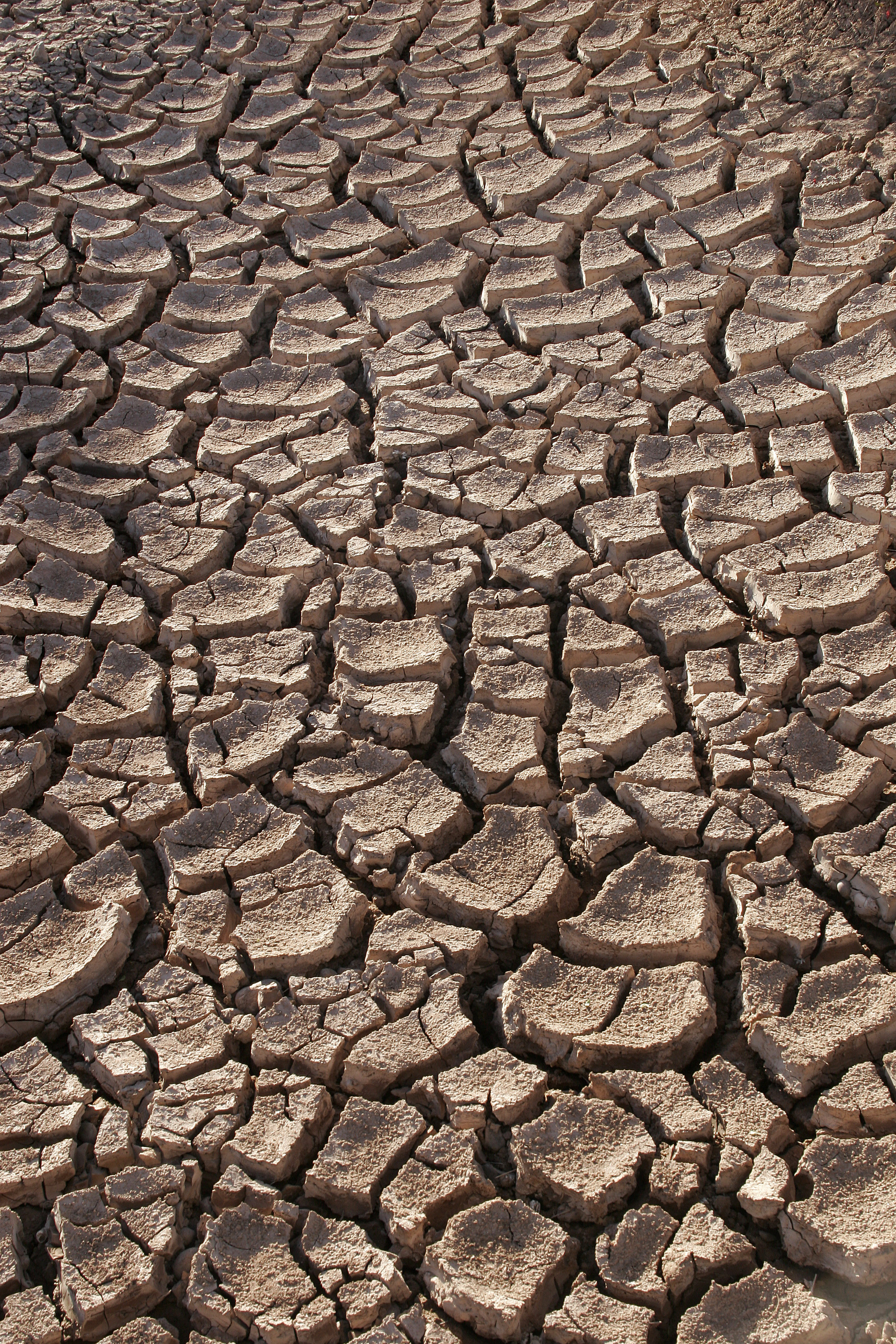
The conditions facilitating the blazes were driven by extreme heat and dry terrain. Temperatures in the affected regions surpassed 45 °C, creating a volatile environment for rapid fire ignition [5, 6]. These conditions led to the burning of thousands of hectares of land [5].
The human cost of the disaster has already been felt. One firefighter died while battling the blazes [5]. Emergency crews continue to work to contain the perimeter of the fires to prevent further loss of life or property.
Authorities in both nations have remained on high alert as they monitor wind patterns and temperature spikes. The coordination between French and Spanish military units was essential in managing the logistics of the mass evacuations across borders and regional lines [1, 2, 3].
“Temperatures in the affected regions surpassed 45 °C”
The simultaneous eruption of high-intensity wildfires in France and Spain demonstrates a regional systemic failure to withstand extreme heat waves. When temperatures exceed 45 °C, traditional firefighting methods are often overwhelmed, shifting the priority from containment to mass evacuation. This pattern suggests that Southern Europe is entering a cycle of more frequent 'mega-fires' that require permanent military-grade logistical planning rather than seasonal emergency responses.