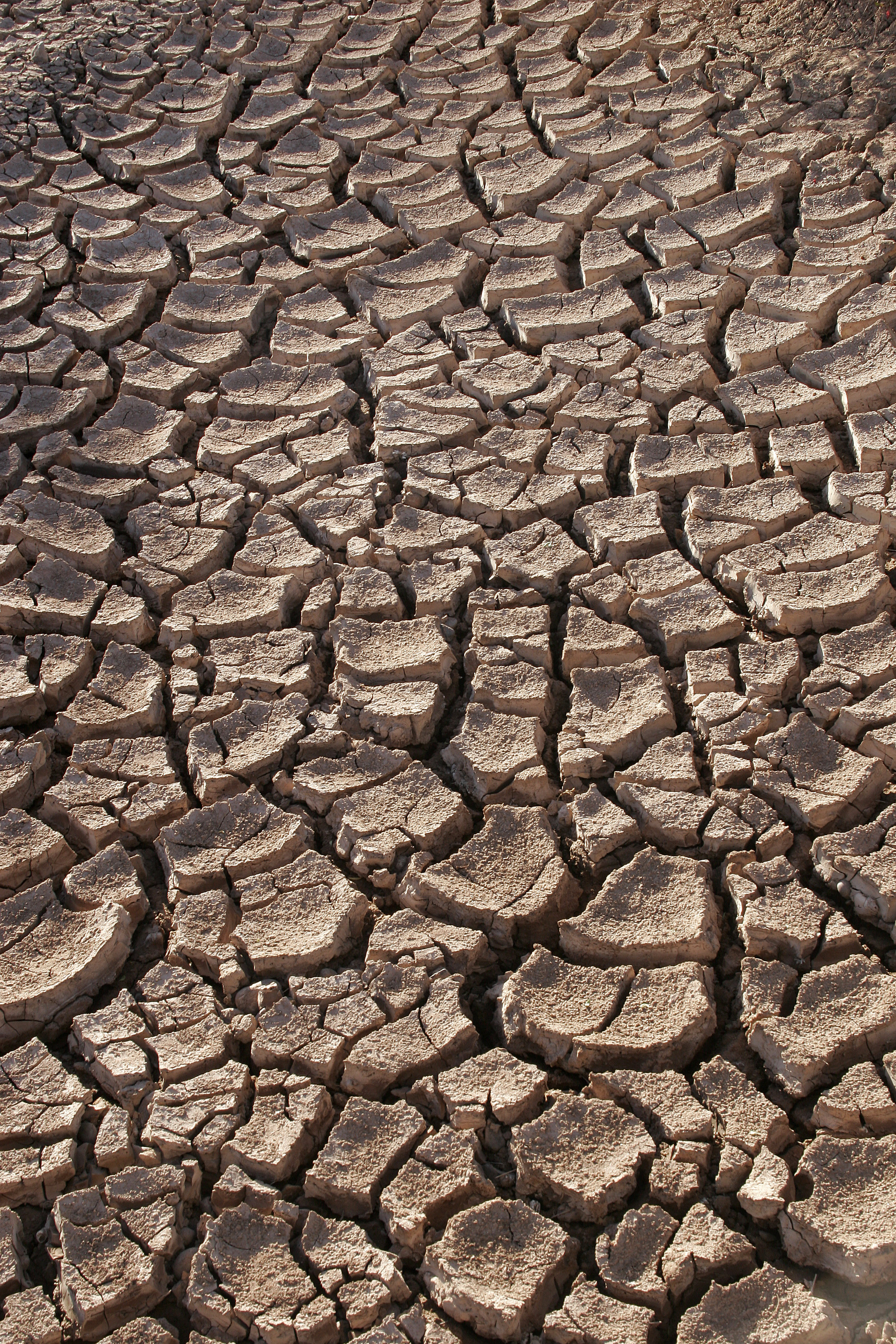
A severe heat wave is intensifying forest fires across southwestern France and Spain, displacing thousands of people as flames spread [3].
These conditions create a dangerous cycle where extreme heat and drought leave vegetation highly vulnerable. This makes it harder for firefighting crews to contain the blazes and increases the risk of rapid propagation across borders.
In the region around Bordeaux, France, fires have already consumed more than 400 square kilometers [1]. Other reports indicate that at least 13,000 hectares, approximately 130 square kilometers, have burned across southern Europe, including areas in Portugal such as Vouzela [4].
Firefighting authorities are struggling to keep pace with the speed of the flames. Tenente-coronel David Annotel of the National Federation of Firefighters of France said Monday about the persistence of the crisis that the fire will continue burning for “some weeks, probably several months” before it is fully extinguished [1].
Authorities in France and Spain are coordinating efforts to manage the disaster, but the ongoing heat wave continues to exacerbate the risk. The combination of dry soil and high temperatures has turned forests into tinderboxes, forcing thousands of residents to flee their homes [3].
Emergency responders are monitoring the wind patterns and temperature spikes to predict where the next flare-ups will occur. Because the drought is so deep, the risk remains high even in areas where active flames have been suppressed.
“The fire will continue burning for “some weeks, probably several months” before it is fully extinguished.”
The prolonged nature of these fires suggests a shift in the seasonal fire window for Southern Europe. When blazes persist for months rather than weeks, it exhausts firefighting resources and indicates that the environmental threshold for natural recovery has been breached due to extreme drought.


'%2F%3E%0A%20%20%20%20%3Crect%20width%3D'1600'%20height%3D'900'%20fill%3D'url(%23v)'%2F%3E%0A%20%20%20%20%3Cg%20opacity%3D'0.08'%20fill%3D'%23ffffff'%3E%0A%20%20%20%20%20%20%3Ccircle%20cx%3D'1420'%20cy%3D'180'%20r%3D'220'%2F%3E%0A%20%20%20%20%20%20%3Ccircle%20cx%3D'1500'%20cy%3D'760'%20r%3D'120'%2F%3E%0A%20%20%20%20%3C%2Fg%3E%0A%20%20%20%20%3Cline%20x1%3D'80'%20y1%3D'172'%20x2%3D'220'%20y2%3D'172'%20stroke%3D'%23ffffff'%20stroke-width%3D'3'%20stroke-opacity%3D'0.6'%2F%3E%0A%20%20%20%20%3Ctext%20x%3D'80'%20y%3D'140'%20font-family%3D'Inter%2C%20-apple-system%2C%20Helvetica%2C%20sans-serif'%20font-weight%3D'700'%20font-size%3D'28'%20fill%3D'%23ffffff'%20letter-spacing%3D'6'%3EHANNA%20%C2%B7%20NEWS%3C%2Ftext%3E%0A%20%20%20%20%3Ctext%20x%3D'80'%20y%3D'230'%20font-family%3D'Inter%2C%20-apple-system%2C%20Helvetica%2C%20sans-serif'%20font-weight%3D'600'%20font-size%3D'40'%20fill%3D'%23ffffffb3'%20letter-spacing%3D'4'%3EWORLD%3C%2Ftext%3E%0A%20%20%20%20%3Ctext%20x%3D'80'%20y%3D'571'%20font-family%3D'Playfair%20Display%2C%20Georgia%2C%20serif'%20font-weight%3D'800'%20font-size%3D'72'%20fill%3D'%23ffffff'%20letter-spacing%3D'-1'%3ERepublicanos%20Does%20Not%3C%2Ftext%3E%3Ctext%20x%3D'80'%20y%3D'654'%20font-family%3D'Playfair%20Display%2C%20Georgia%2C%20serif'%20font-weight%3D'800'%20font-size%3D'72'%20fill%3D'%23ffffff'%20letter-spacing%3D'-1'%3EConfirm%20Cleitinho%20Azevedo%3C%2Ftext%3E%3Ctext%20x%3D'80'%20y%3D'737'%20font-family%3D'Playfair%20Display%2C%20Georgia%2C%20serif'%20font-weight%3D'800'%20font-size%3D'72'%20fill%3D'%23ffffff'%20letter-spacing%3D'-1'%3Efor%20Minas%20Gerais%3C%2Ftext%3E%3Ctext%20x%3D'80'%20y%3D'820'%20font-family%3D'Playfair%20Display%2C%20Georgia%2C%20serif'%20font-weight%3D'800'%20font-size%3D'72'%20fill%3D'%23ffffff'%20letter-spacing%3D'-1'%3EGovernorship%3C%2Ftext%3E%0A%20%20%20%20%3Ctext%20x%3D'80'%20y%3D'870'%20font-family%3D'Inter%2C%20-apple-system%2C%20Helvetica%2C%20sans-serif'%20font-weight%3D'500'%20font-size%3D'22'%20fill%3D'%23ffffff66'%20letter-spacing%3D'2'%3Enews.hanna-ai.com%3C%2Ftext%3E%0A%20%20%3C%2Fsvg%3E)