French Foreign Minister Jean-Noël Barrot announced that a joint Franco-British operation to free the Strait of Hormuz is nearing completion.
The effort seeks to prevent the blockade of a critical global shipping artery during an active conflict in the Middle East. Ensuring the waterway remains open is essential for maintaining international trade and preventing economic escalation.
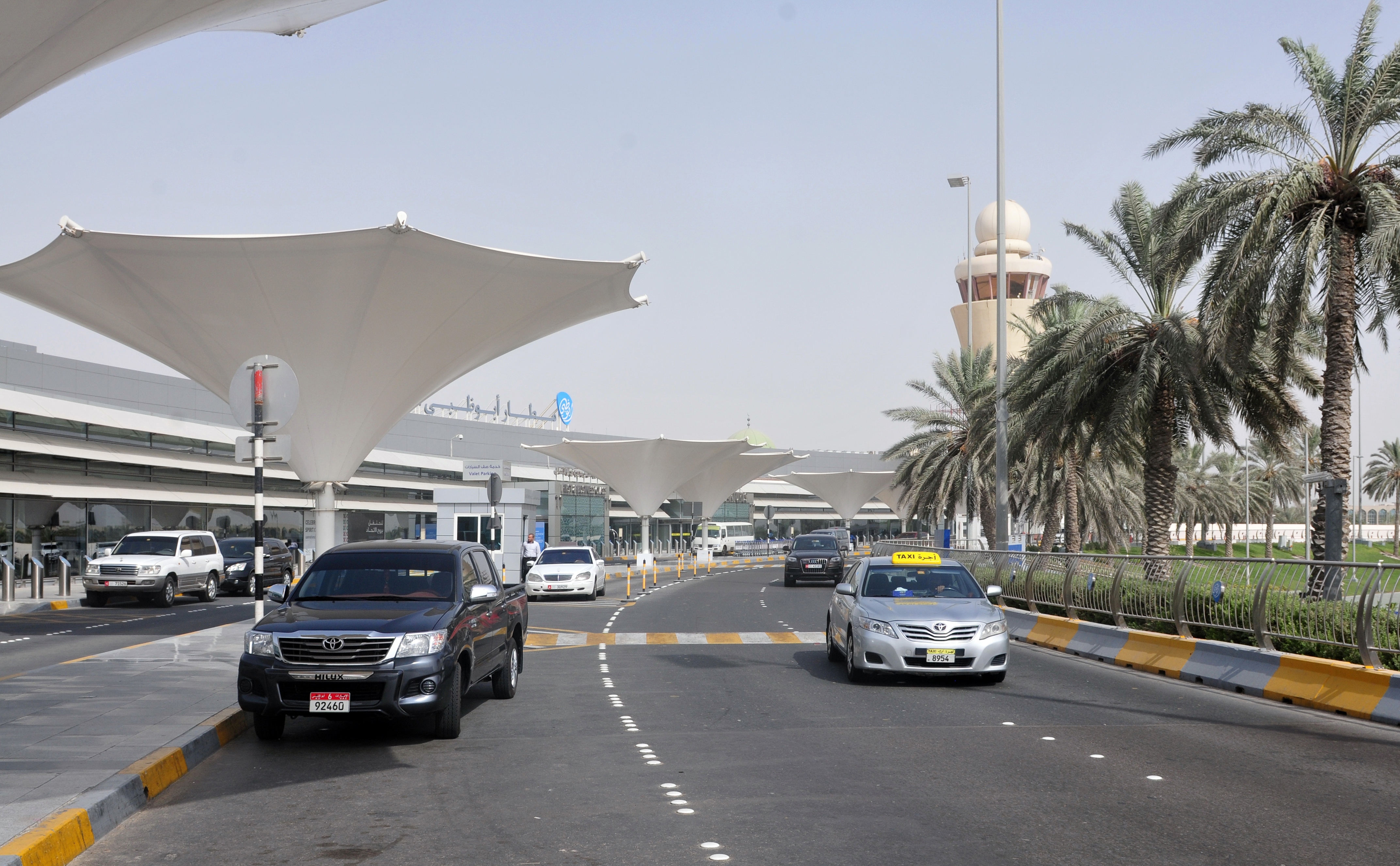
Speaking in Abu Dhabi in April 2026, Barrot said the action by France and the United Kingdom has seen participation from several dozen countries. The operation is intended to ensure that international waters are not obstructed in any manner.
"The Strait of Hormuz must be liberated," Barrot said. "There must be no toll, no blackmail of any kind. International waters must not be hindered in any way."
Barrot's remarks followed a regional tour aimed at de-escalating the conflict. He said that the freedom of navigation is a non-negotiable requirement for the stability of the region.
Beyond the maritime operation, the French government has focused on the safety of its citizens. Barrot said 4,300 [1] French nationals who were in the Middle East when the war broke out have returned to France. This repatriation effort included 800 people on flights chartered by the Quai d'Orsay.
The coordination between France and the UK represents a significant diplomatic and military push to maintain the status quo of the Strait, a narrow waterway that serves as a primary transit point for global energy supplies.
“"The Strait of Hormuz must be liberated."”
The joint Franco-British operation indicates a multilateral effort to prevent the weaponization of the Strait of Hormuz. By coordinating with dozens of other nations, France and the UK are attempting to establish a collective security guarantee that prevents any single actor from using the waterway as a tool for political leverage or economic warfare.


