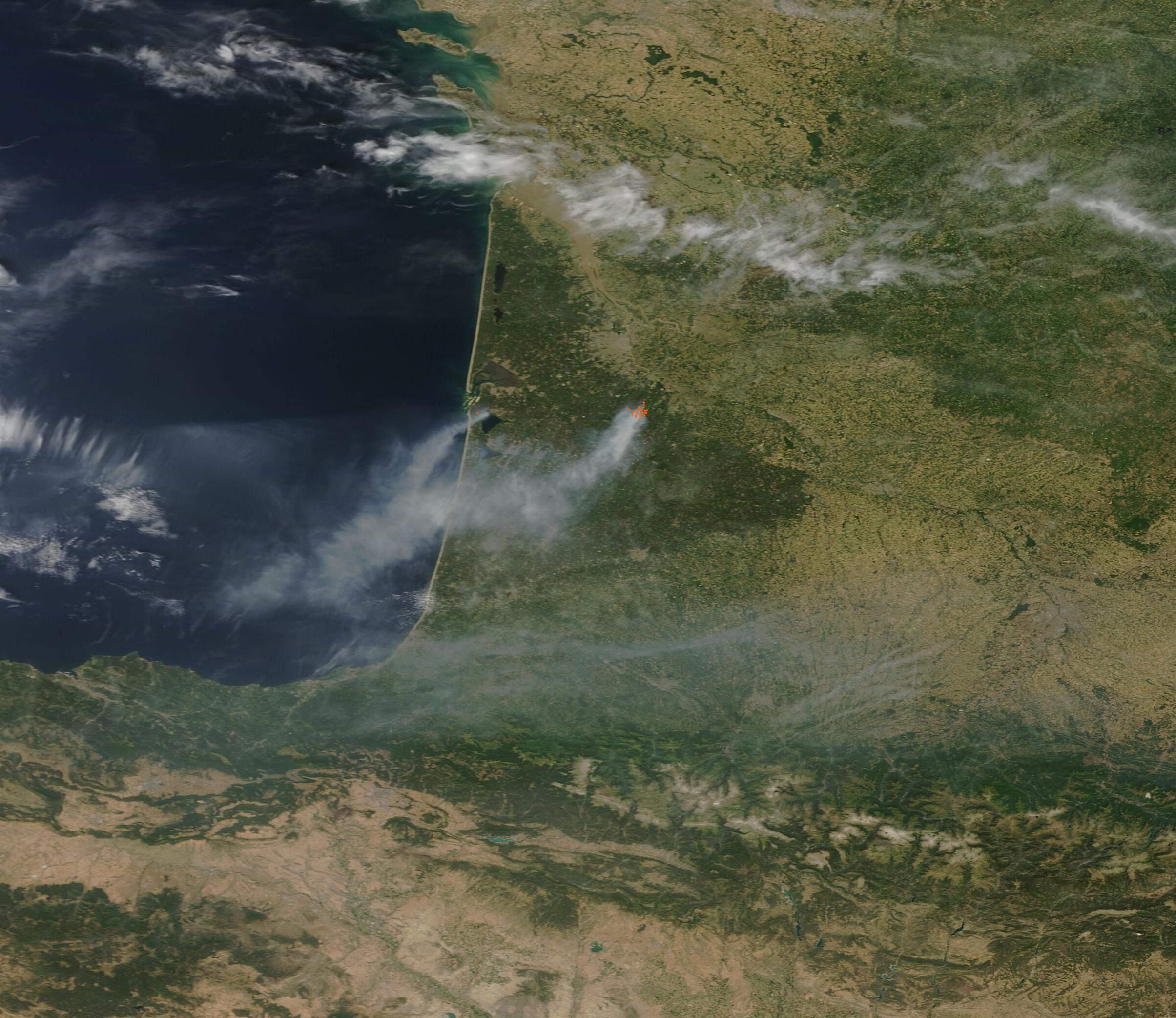
French authorities evacuated thousands of residents as massive wildfires burned through thousands of hectares on July 5, 2026.
The scale of the disaster highlights the increasing vulnerability of European landscapes to extreme weather, with experts linking the intensity of these fires to climate change.
In southwestern France, the blazes hit the Aspres region near Montalba-le-Château. Authorities said 10,000 people [3] were evacuated from that area alone to escape the advancing flames. Simultaneously, reports emerged of another wildfire threatening the historic Fontainebleau forest south of Paris [1, 2].
To combat the fires, the French government deployed more than 400 firefighters [4], military support, and water-bombing crews [1]. These teams worked to contain the perimeter as a severe heatwave and strong winds fueled the spread of the fire across the countryside.
The crisis in France is part of a broader regional emergency. Across France and Spain, combined evacuation numbers are estimated between 200,000 [2] and 220,000 people [1]. The extreme conditions have forced several regions to declare emergencies as firefighting resources are stretched across multiple fronts.
Emergency crews continue to monitor the wind patterns, which have complicated efforts to keep the fires from jumping containment lines. The deployment of heavy aircraft remains a priority for authorities attempting to protect residential areas and historic forested zones.
“French authorities evacuated thousands of residents as massive wildfires burned through thousands of hectares.”
The simultaneous occurrence of large-scale fires in both the south and near the capital suggests a systemic failure of traditional land management to keep pace with rising temperatures. The reliance on military-grade water bombers and the massive scale of evacuations across two countries indicate that heatwaves are creating 'mega-fires' that exceed the capacity of local civilian firefighting services.


