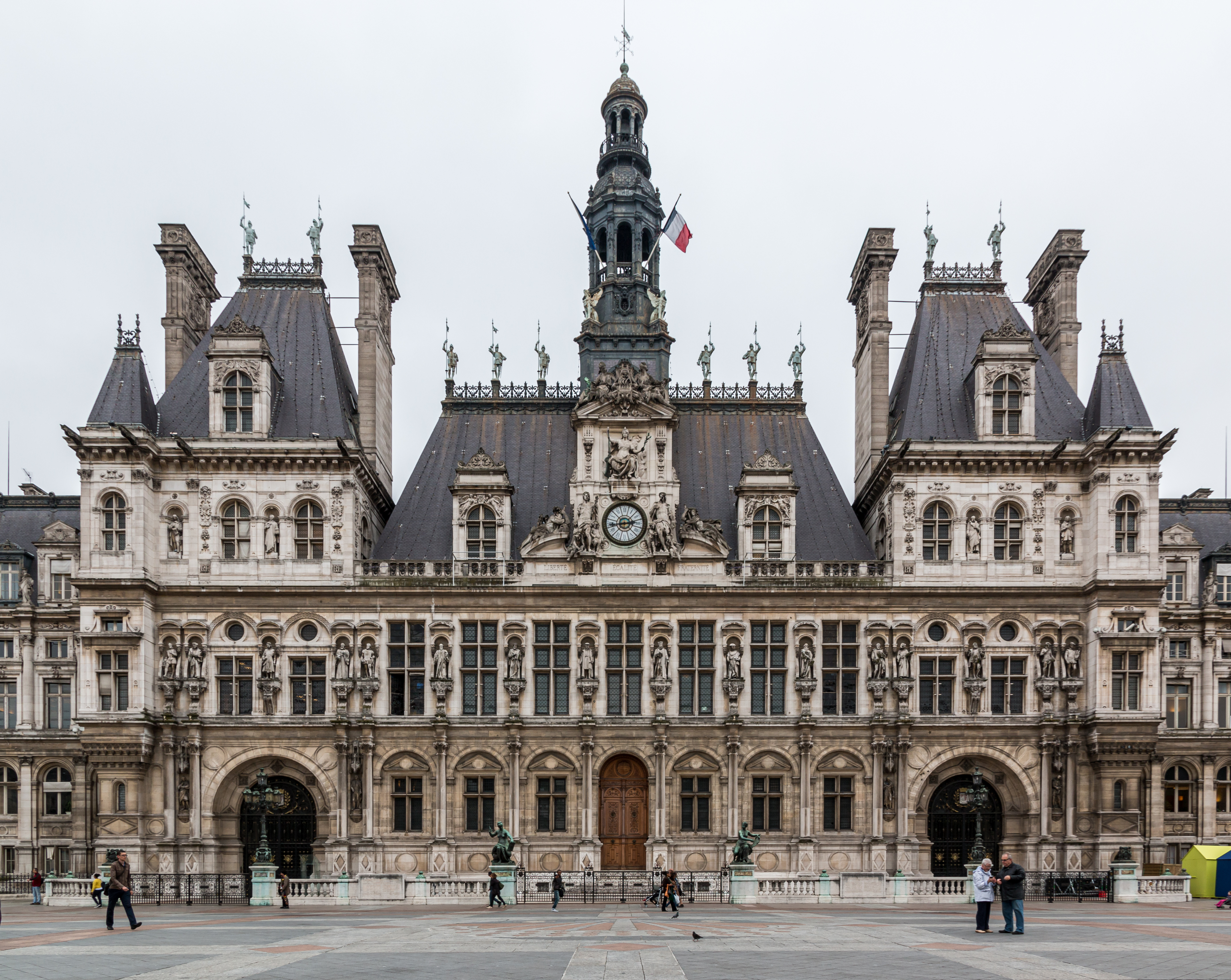
G7 finance ministers and central bank governors convened in Paris on Monday to address mounting global economic headwinds [1, 2, 3].
The meeting comes as the world's largest economies face intersecting crises that threaten stability. Coordination among these nations is critical to preventing a systemic collapse as geopolitical tensions translate into market volatility.
Central to the agenda is the economic fallout resulting from the war in Iran [2, 4]. Officials said they are examining how the conflict disrupts global trade and energy markets, adding pressure to an already fragile international financial system [1, 2].
Beyond the conflict, the group is tackling a series of structural risks. These include persistent inflation, and supply-chain disruptions that have hampered recovery efforts [1, 2]. The ministers said they are also discussing the precarious nature of critical mineral dependence, which has become a strategic vulnerability for several G7 members [1, 2].
While the primary gathering is in France, reports on the format vary. Some sources said the ministers gathered in person in Paris [1, 3], while others said France hosted a video meeting [4].
In a notable diplomatic shift, Syria is expected to participate in a closed-door session with the finance ministers and central bank governors [3]. This inclusion marks a potential change in the diplomatic status of the Syrian government within the context of global financial discussions.
Participants said they are seeking a unified response to these pressures to ensure that trade remains fluid despite the ongoing regional wars and industrial dependencies [1, 2, 4].
“G7 finance ministers and central bank governors convened in Paris on Monday”
The inclusion of Syria in closed-door talks, paired with the focus on the war in Iran, suggests the G7 is shifting from purely economic management to a strategy where financial leverage is used as a tool for geopolitical stabilization. By addressing mineral dependence and supply-chain risks simultaneously, the G7 is attempting to decouple critical infrastructure from volatile regions to insulate the global economy from future shocks.


