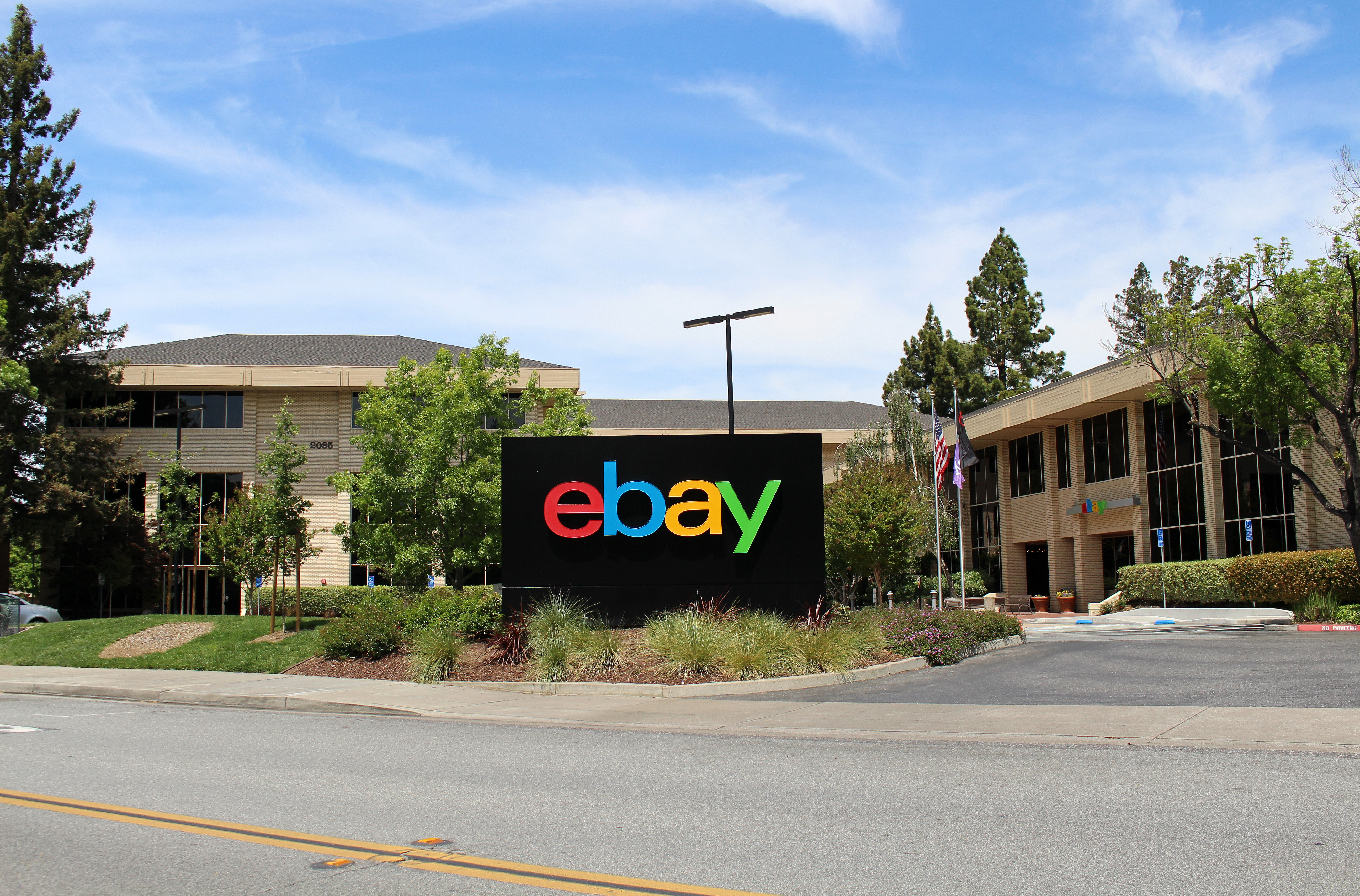
GameStop Corp. has made a cash-and-stock offer to acquire eBay Inc. in a deal valued at approximately $55.5 billion [1].
The move represents a pivot for the gaming retailer as it attempts to diversify its business model beyond video games. By leveraging eBay's massive e-commerce infrastructure, GameStop aims to compete more directly with giants like Amazon.
The bid, announced Sunday, May 3, 2026, proposes a price of $125 per share for eBay [1]. While some reports value the total acquisition at $56 billion [2], the offer remains a high-stakes play for CEO Ryan Cohen. To fund the transaction, GameStop may issue additional stock, a move that has led analysts to question whether the company can finance the deal without causing excessive dilution for current shareholders [3].
Market observers are also scrutinizing GameStop's digital assets to see how they fit into the financing strategy. The company holds a bitcoin stash valued between $368 million and $370 million [4]. Some analysts suggest these holdings could be utilized as part of the capital required to execute the takeover [4].
The transaction involves two U.S. publicly traded companies: GameStop, listed on the NASDAQ as GME, and eBay, listed as EBAY [1]. The bid is viewed by some as a hostile play, given the scale of the acquisition relative to GameStop's current size [3].
GameStop's transition from a brick-and-mortar specialist to a diversified e-commerce entity would rely heavily on the successful integration of eBay's platform. However, the gap in valuation between the two companies remains a primary point of contention for investors [2].
“GameStop aims to diversify beyond video-games and compete with Amazon by leveraging eBay’s e-commerce platform.”
This bid signals an aggressive attempt by GameStop to transform into a diversified e-commerce powerhouse. However, the massive valuation gap between the two companies makes the deal highly speculative. The potential use of bitcoin reserves and significant stock issuance suggests a high-risk financial strategy that could either catapult GameStop into a new tier of retail or severely dilute shareholder value if the financing fails to stabilize.


