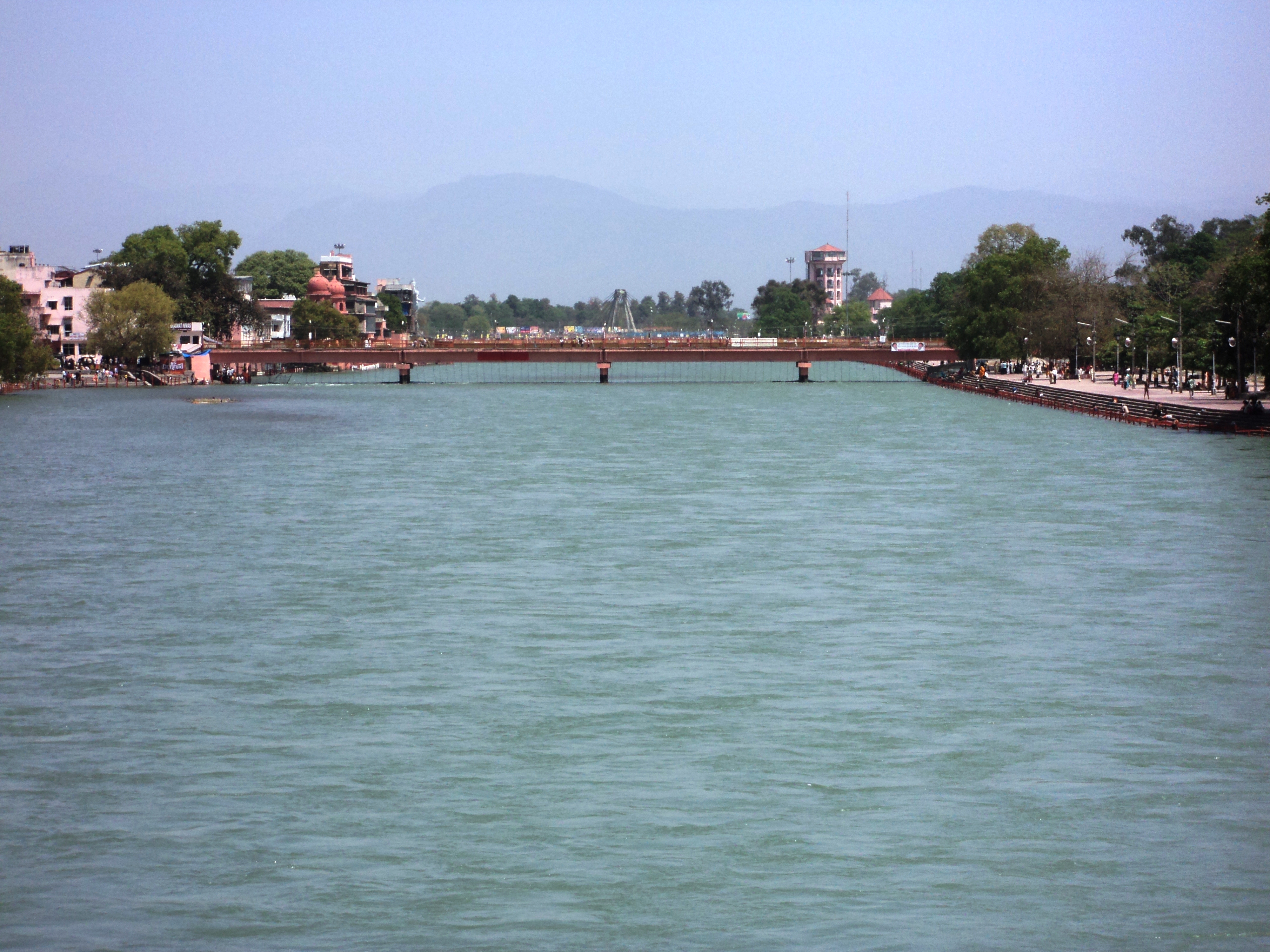
Thousands of devotees gathered in Haridwar, Uttarakhand, on May 25, 2026, to celebrate Ganga Dussehra with holy dips and prayers [1, 2].
The festival holds deep spiritual significance for millions of Hindus, as the rituals are believed to cleanse sins and bring lasting peace to the faithful [3, 4, 5].
Celebrations took place across various ghats in Haridwar, where crowds converged to honor Maa Ganga [1, 2]. The day, known as Jyeshtha Shukla Dashami, commemorates the mythic descent of the sacred river from the heavens to Earth [3, 4, 5].
Participants engaged in traditional puja vidhi and specific rituals designed to show gratitude toward the river [3]. The gathering in Haridwar was part of a broader series of celebrations occurring across India, extending from the ghats of Uttarakhand to the aarti ceremonies in Varanasi [2].
Devotees believe that bathing in the river on this specific date provides unique spiritual benefits [3, 6]. The event saw thousands of people [1] navigating the riverbanks to perform their prayers and immerse themselves in the water.
The observance follows a lunar calendar, placing the 2026 date on May 25 [3, 4, 6]. This alignment draws large numbers of pilgrims to the region, reinforcing Haridwar's status as a primary center for Vedic rituals, and pilgrimage.
“Thousands of devotees gathered in Haridwar”
Ganga Dussehra serves as a critical intersection of faith and geography, centering the spiritual identity of the region around the physical health and presence of the Ganga River. The massive scale of the gathering in Haridwar underscores the river's enduring role as a focal point for communal religious practice in India.


