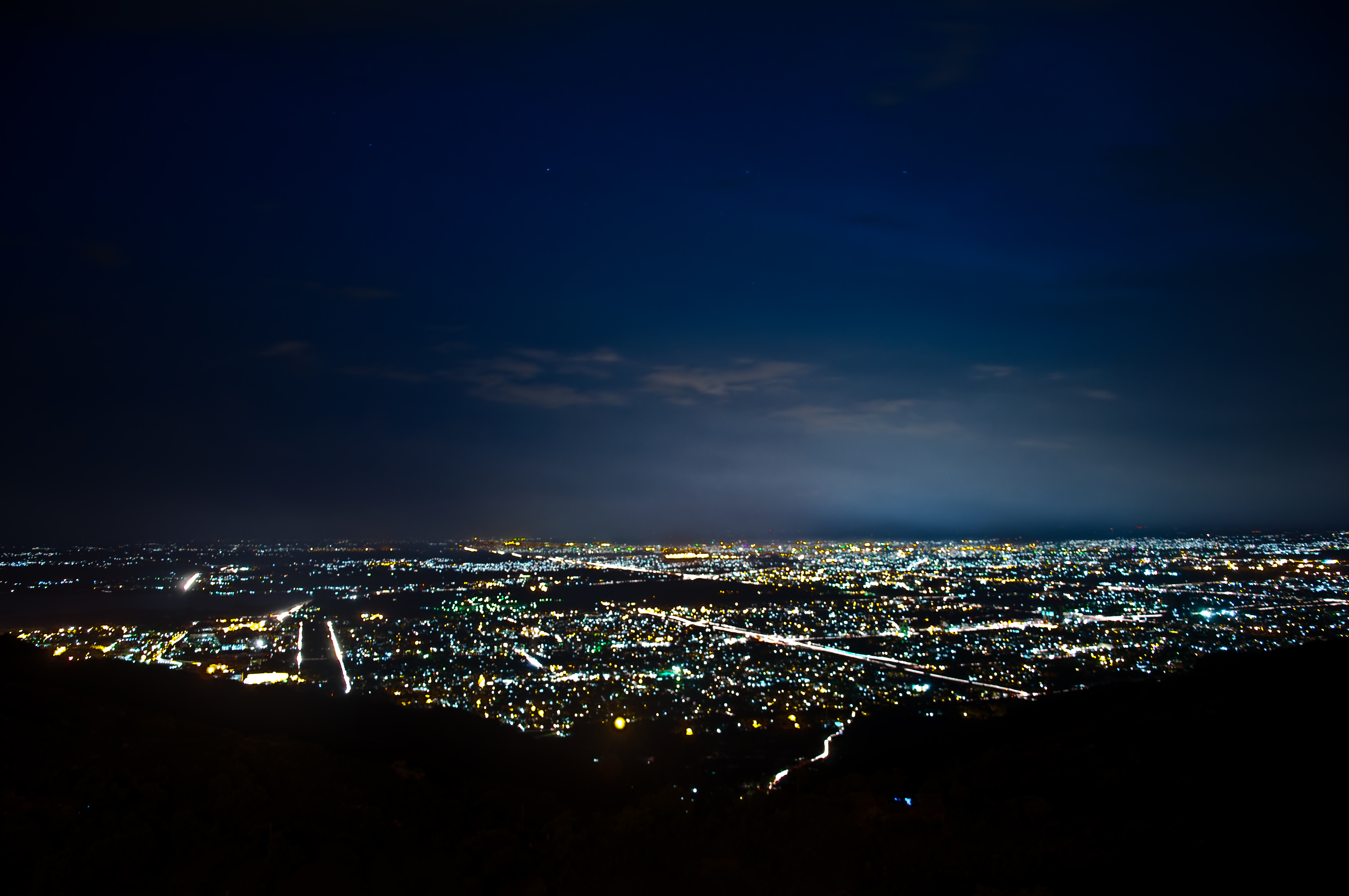
Thousands of residents in Gary, Indiana, remain without electricity nearly two weeks after a severe derecho storm struck the region [1].
The prolonged outages have raised urgent concerns regarding health equity and the resilience of local infrastructure in northwest Indiana. For many families, the lack of power during late summer heat creates hazardous living conditions.
The storm occurred on Aug. 11, 2026 [1], when high winds knocked trees onto power lines across northern Indiana. This caused widespread disruptions, affecting more than 350,000 customers across the northern region of the state [2]. In Gary specifically, 33,124 residents were still without power as of Aug. 22 [3].
City officials have expressed frustration over the slow pace of restoration. Gary Mayor Jerome Prince said, "12 days is too long for residents to go without power" [1]. The mayor's comments follow reports that some neighborhoods have remained in the dark for nearly two weeks.
Local residents have described a sense of helplessness as they wait for utility crews to reach their streets. One unnamed resident said, "All we can do is pray" [2].
The utility company responsible for the grid has defended its timeline, citing the scale of the damage. A spokesperson for the local utility said, "We are working around the clock to restore power to all customers" [3].
Despite these assurances, the disparity in restoration times between different neighborhoods has fueled criticism. The event has highlighted the vulnerability of the city's electrical grid to extreme weather events, a trend that has become more frequent in the U.S. Midwest.
“"12 days is too long for residents to go without power."”
The extended outage in Gary underscores a broader issue of infrastructure fragility in economically distressed urban areas. When recovery times lag significantly behind those in wealthier districts, it transforms a natural disaster into a public health crisis, emphasizing the need for grid modernization and more equitable emergency response strategies.