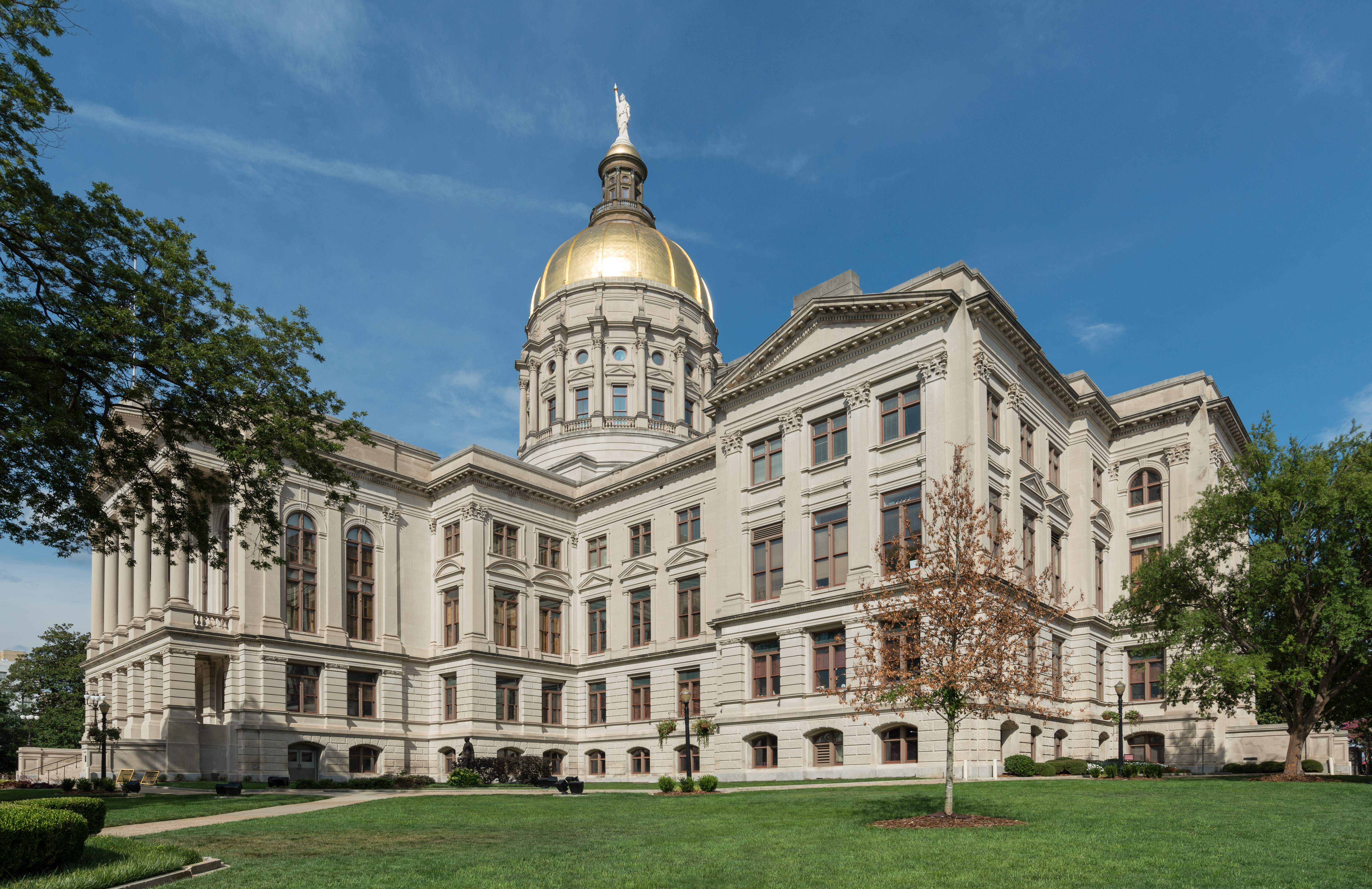
Georgia Republican legislative leaders rejected Governor Brian Kemp's request to convene a special session to redraw congressional voting maps on Wednesday [1].
The decision creates a rift within the state's dominant party and halts a push to alter the electoral landscape ahead of future cycles. By blocking the session, legislative leaders have prioritized short-term political stability over the governor's strategic redistricting goals.
House Speaker Jon Burns (R-GA) and other GOP leaders blocked the move on June 17, 2026 [2], just hours before the scheduled special session was set to begin in Atlanta [3]. The proposal sought to redraw the state's congressional maps for the 2028 cycle [1].
Lawmakers said they rejected the proposal due to the speed of the request and a lack of sufficient public input [3]. Leaders also said that pursuing redistricting now could energize Democratic voters as the state approaches the 2026 midterm elections [3].
President Donald Trump was mentioned as a supporter of the redistricting effort, adding national political pressure to the local dispute [1]. Despite this, the legislative wing of the party said that moving too quickly would be a strategic error.
Governor Kemp's proposal aimed to secure a more favorable map for Republicans in 2028 [1]. However, the refusal by House leadership ensures that the current maps remain in place for the time being, leaving the 2028 boundaries unchanged unless a new agreement is reached between the governor and the legislature.
“Georgia Republican legislative leaders rejected Governor Brian Kemp's request to convene a special session”
This standoff highlights a strategic divide between Georgia's executive and legislative branches. While the governor and national figures like Donald Trump seek to maximize partisan advantage through 2028 maps, state lawmakers are weighing those long-term gains against the immediate risk of voter backlash in the 2026 midterms. The rejection suggests that the GOP legislative wing believes the political cost of aggressive redistricting outweighs the potential electoral benefits at this moment.


