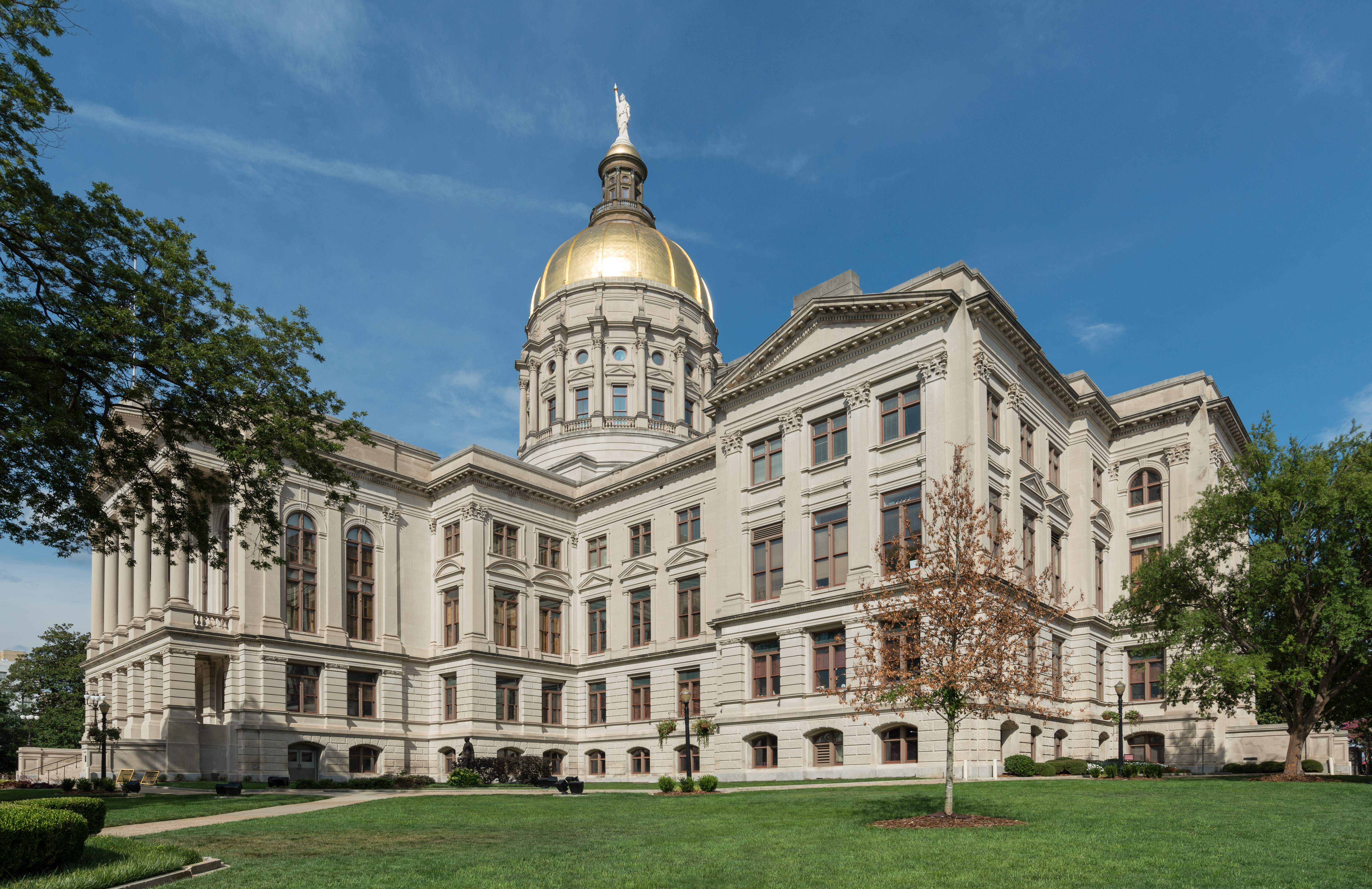
Registered voters in Georgia headed to the polls Tuesday, May 19, 2026 [2], for high-stakes midterm primary elections.
These contests are viewed as critical because the results of the governor and U.S. Senate races may influence national political dynamics. The outcomes in these statewide races often serve as a bellwether for broader political trends across the country.
The primary day follows a designated early voting period that ran from April 27 to May 15, 2026 [1]. The Georgia Secretary of State’s Office said that this window gave Georgians ample time to cast their ballots before the May 19 primary [1].
Election officials expressed concerns regarding the complexity of the current election cycle. An unnamed Georgia election official said, "We’re encouraging voters to prepare ahead of time because the ballot is lengthy and the process can be confusing" [3]. This warning came as voters faced multiple statewide races, including the governor and U.S. Senate contests [4].
Rep. Nikema Williams (D-GA) highlighted the importance of the day during an appearance on Bloomberg Television. "Voters understand what’s at stake as the state heads into Primary Day," Williams said [5].
Activity was noted across the state, with significant coverage emerging from locations such as Georgia Tech in Atlanta [6]. The primary process serves as the first major step in determining who will succeed current officeholders, and who will represent the state in Washington.
While the primary concludes today, the political process may continue for those who do not secure a majority of the vote. Some races may move toward a runoff election on June 16 [2].
“Voters understand what’s at stake as the state heads into Primary Day.”
The Georgia primaries serve as a critical litmus test for party viability in a swing state. Because the governor and U.S. Senate seats are at stake, the results will indicate whether the current political momentum favors the Democratic or Republican platform heading into the general election. A failure to resolve these races today, leading to June runoffs, would extend the period of political uncertainty in a region that often decides national control of the Senate.


