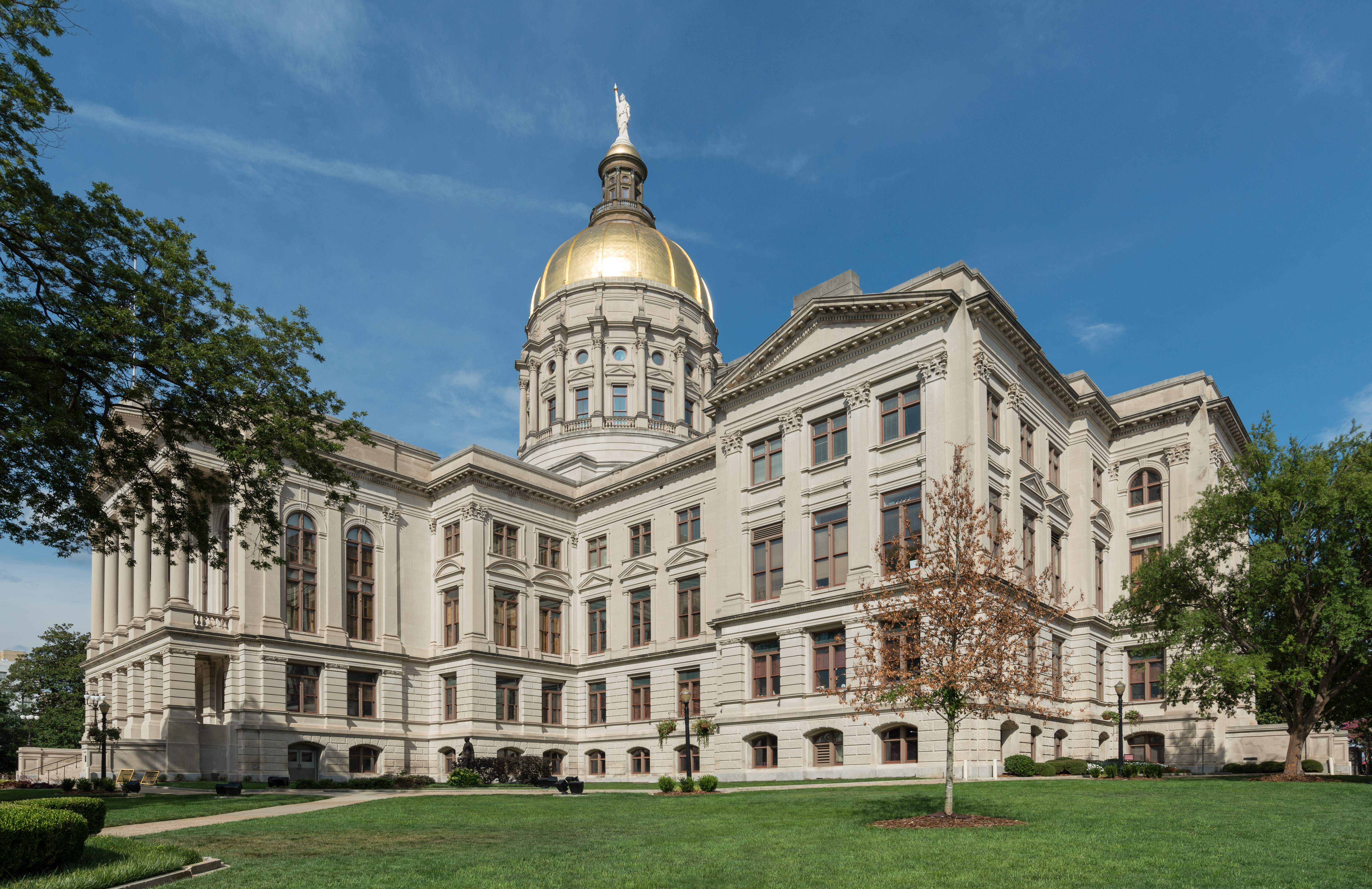
Georgia voters headed to the polls Tuesday for major primary elections and several key local races [1].
These contests are critical because they determine the candidates who will compete in the November 2026 general election [3]. The results will shape the political landscape of the state for the coming years, affecting everything from federal representation to judicial oversight.
The primary ballot includes high-stakes races for the U.S. Senate and the office of the governor [1]. Voters are also deciding candidates for lieutenant governor, and the agricultural commissioner [2].
Beyond executive roles, the election includes contests for the state Supreme Court [1]. These judicial races are particularly significant as they influence the legal framework and statutory interpretations within the state.
Election officials have prepared polling stations across Georgia to handle the influx of voters on this Tuesday [2]. The primary process serves as the narrowing phase for party nominations before the final general election cycle in 2026 [1].
Local races are running alongside the statewide contests, creating a comprehensive voting day for residents across the state [3]. The outcome of these primaries will signal which platforms and candidates hold the most sway within the state's primary electorate.
“Georgia voters headed to the polls Tuesday for major primary elections.”
The 2026 Georgia primaries serve as a critical bellwether for the state's political direction. By determining the nominees for the U.S. Senate and the governorship, these elections establish the ideological trajectory for Georgia's executive and legislative influence. The inclusion of state Supreme Court races further emphasizes a push for judicial alignment with the winning party's platform.


