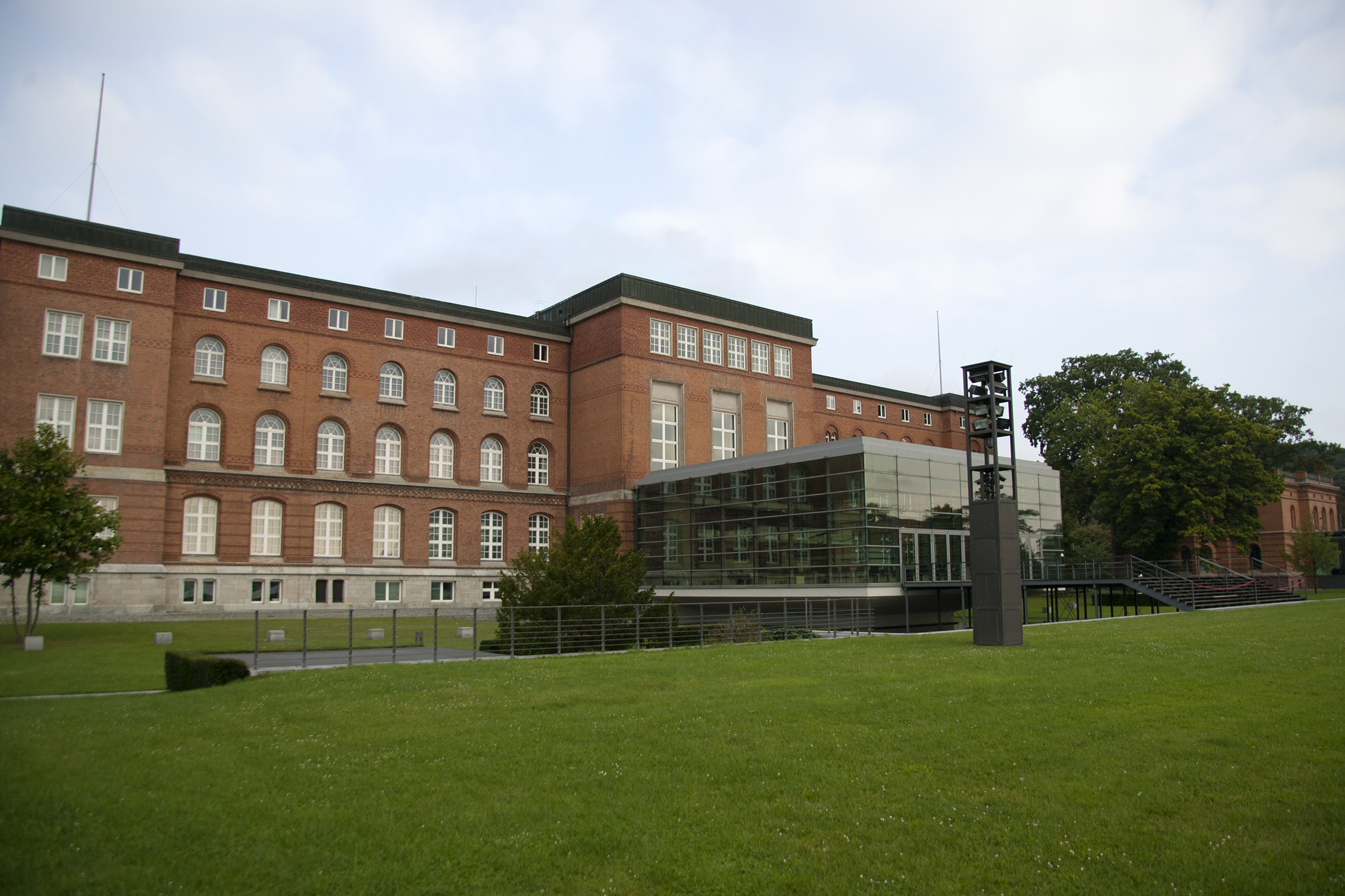
The government of Germany's state of Schleswig-Holstein launched a free digital campus today providing education on artificial intelligence and virtual reality [1].
The initiative aims to democratize access to high-tech skills, ensuring that citizens of all ages can keep pace with rapid technological shifts. By removing financial barriers to specialized training, the state seeks to build a more resilient and digitally literate workforce.
The digital campus offers more than 600 courses [1]. These programs cover a range of cutting-edge technologies, including AI, virtual reality, and augmented reality. The curriculum is delivered through a hybrid model, featuring both online modules and in-person instruction [1].
This project is a collaboration between the state government and the European Commission [1]. The partnership reflects a broader effort to standardize and expand digital education across the European Union, creating a scalable model for other regions to follow.
Officials said the campus is open to anyone, regardless of their previous educational background or age [1]. The focus remains on emerging technologies that are expected to redefine the global labor market over the coming decade.
By integrating augmented reality and virtual reality into the learning process, the campus allows students to interact with complex systems in simulated environments [1]. This approach is intended to bridge the gap between theoretical knowledge and practical application in technical fields.
“The digital campus offers more than 600 courses.”
This launch signals a shift toward state-funded, lifelong learning models to combat the potential job displacement caused by AI. By partnering with the European Commission, Schleswig-Holstein is positioning itself as a testbed for EU-wide digital literacy standards, moving beyond traditional university degrees toward flexible, skill-based certification.


