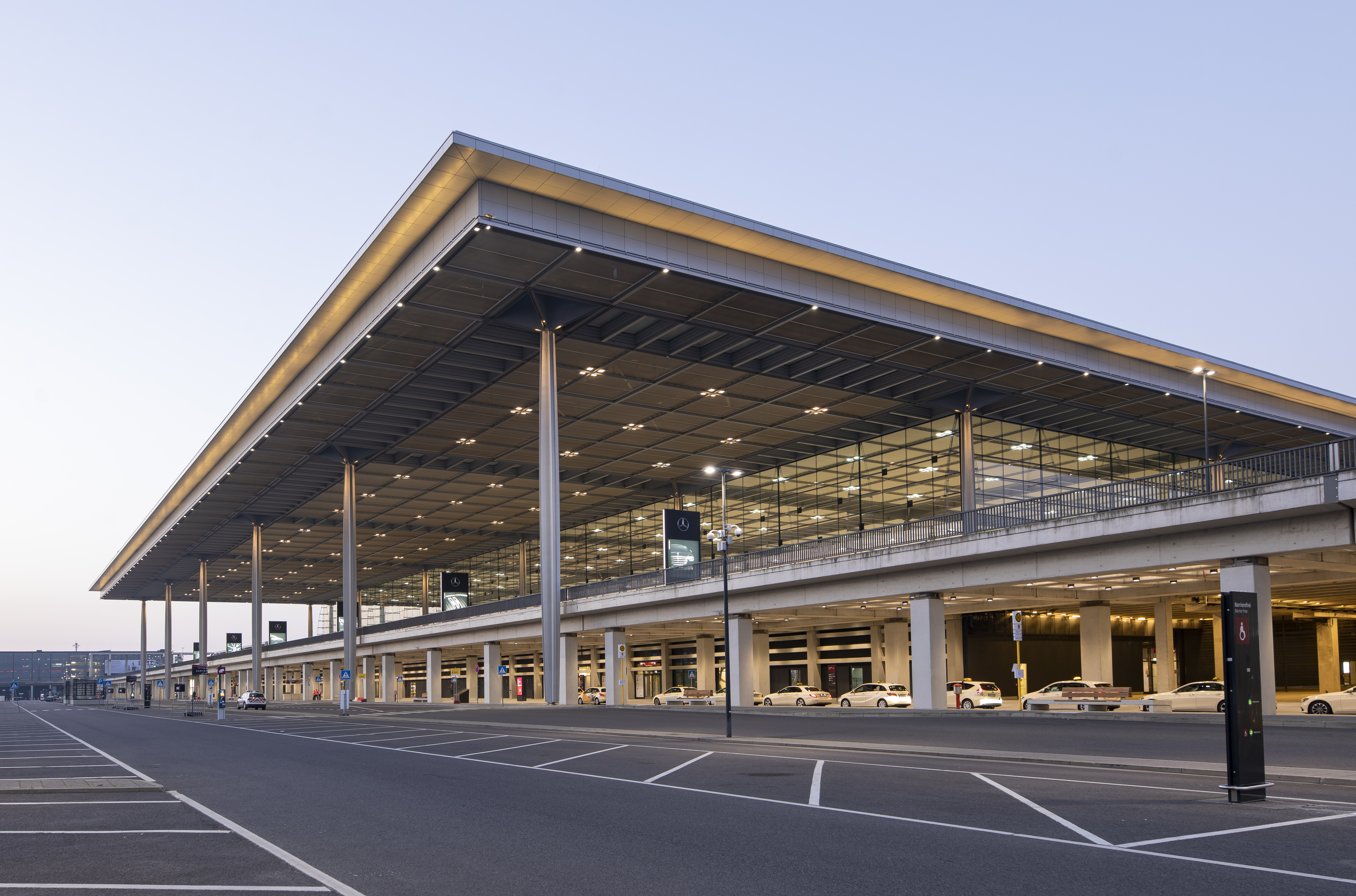
Germany is facing a severe heatwave with temperatures potentially reaching a new record of 42 °C [1].
The current crisis highlights a growing divide between federal planning and local implementation. Critics said the national heat-wave plan is inadequate, leaving local authorities to struggle with the immediate effects of extreme weather on public health and infrastructure.
Weather forecasts indicate the worst of the heat is moving eastward across the country [2]. While some experts predict temperatures could reach 40 °C in certain regions [3], other reports suggest the peak could be higher [1].
Politicians from the Green party are calling for the rapid installation of air-conditioning in public facilities to protect citizens. They said the federal government is taking a back seat on practical heat-protection measures, shifting the burden of coping with the climate event to local governments [2].
Chancellor Friedrich Merz addressed the situation amid the political tension. "I can handle the heat and I am not bothered by personal insults," Merz said [4].
The struggle to implement cooling measures comes as the country grapples with a lack of standardized climate adaptation in public buildings. The demand for air-conditioning represents a shift in policy goals for the Green party, which has historically prioritized energy efficiency, and carbon reduction over active cooling systems.
“Germany may be heading for a new heat record at 42 °C.”
This conflict underscores the tension between Germany's long-term climate goals and the immediate need for adaptive infrastructure. As extreme heat events become more frequent, the push for air-conditioning in public spaces challenges traditional energy-saving mandates and exposes gaps in the federal government's ability to coordinate rapid, local-level responses to climate emergencies.


