
Germany is campaigning for a non-permanent seat on the United Nations Security Council in a vote scheduled for Wednesday in New York [1].
Winning the seat would allow Germany to shape global security decisions and counteract the paralysis caused by the veto power of Russia and China [5]. The federal government is competing against Austria and Portugal for the position [1].
This bid marks the seventh attempt by Germany to secure a non-permanent seat [7]. If successful, the appointment would grant Germany a term of two years [8]. The campaign has been characterized by intense diplomatic maneuvering behind the scenes.
Gregor Kössler, the Austrian UN ambassador, said, "Im Hintergrund wird mit harten Bandagen gearbeitet" [6].
German officials have emphasized the need for UN reform as part of their platform. The government argues that the current structure of the Security Council is insufficient to handle modern global crises, a sentiment that has driven their repeated attempts to join the council's rotating membership [2].
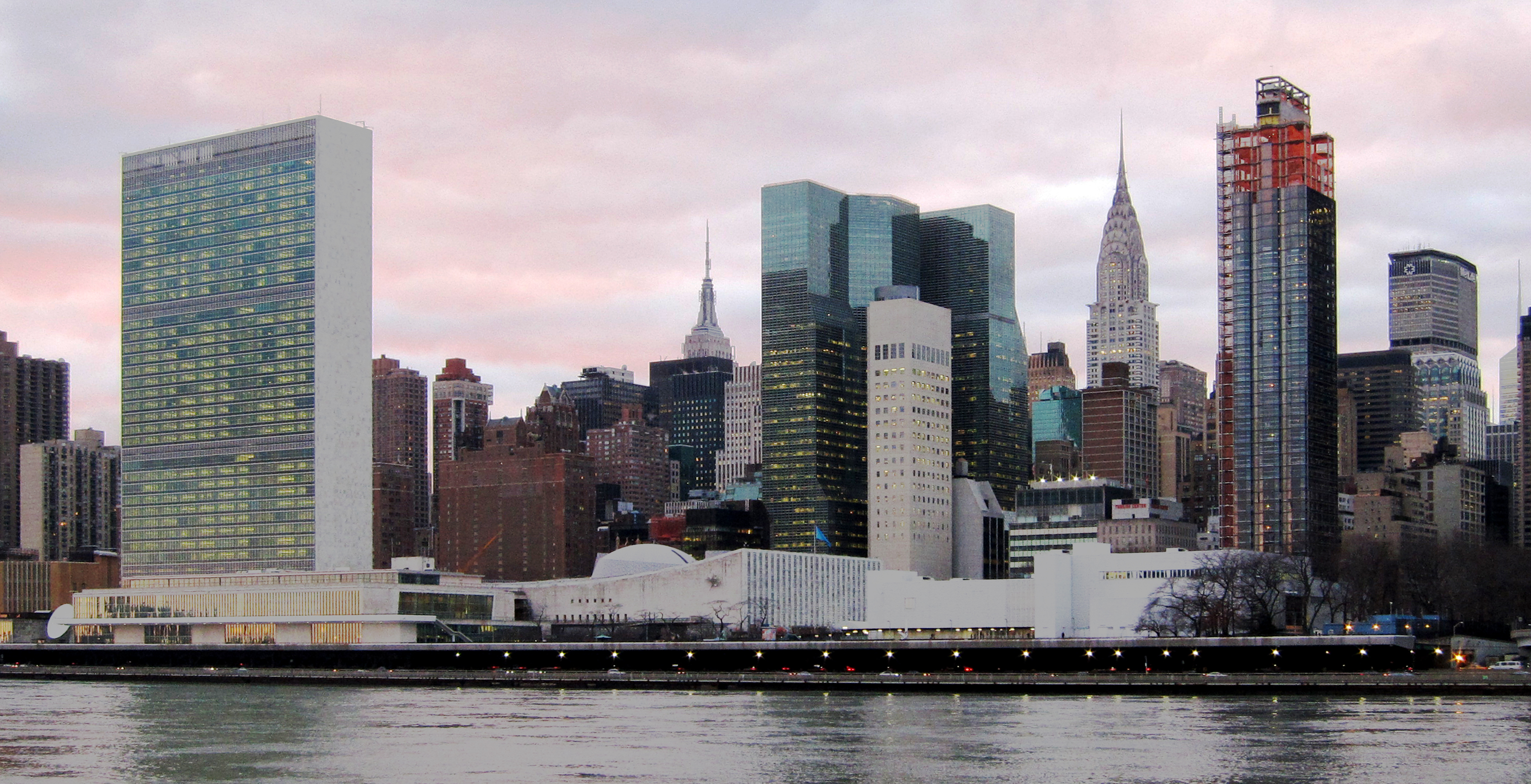
The election takes place at the United Nations headquarters, where member states will cast their ballots to determine which nations will fill the vacancies [4]. The outcome will determine whether Germany regains a direct role in the most powerful organ of the UN for the next two years [8].
“"Im Hintergrund wird mit harten Bandagen gearbeitet"”
Germany's pursuit of a Security Council seat reflects a broader strategic effort to move from a supporting role in international security to a leadership position. By challenging the status quo of the veto-wielding permanent members, Berlin is attempting to signal that European powers must have a more direct hand in mediating global conflicts to prevent institutional deadlock.


