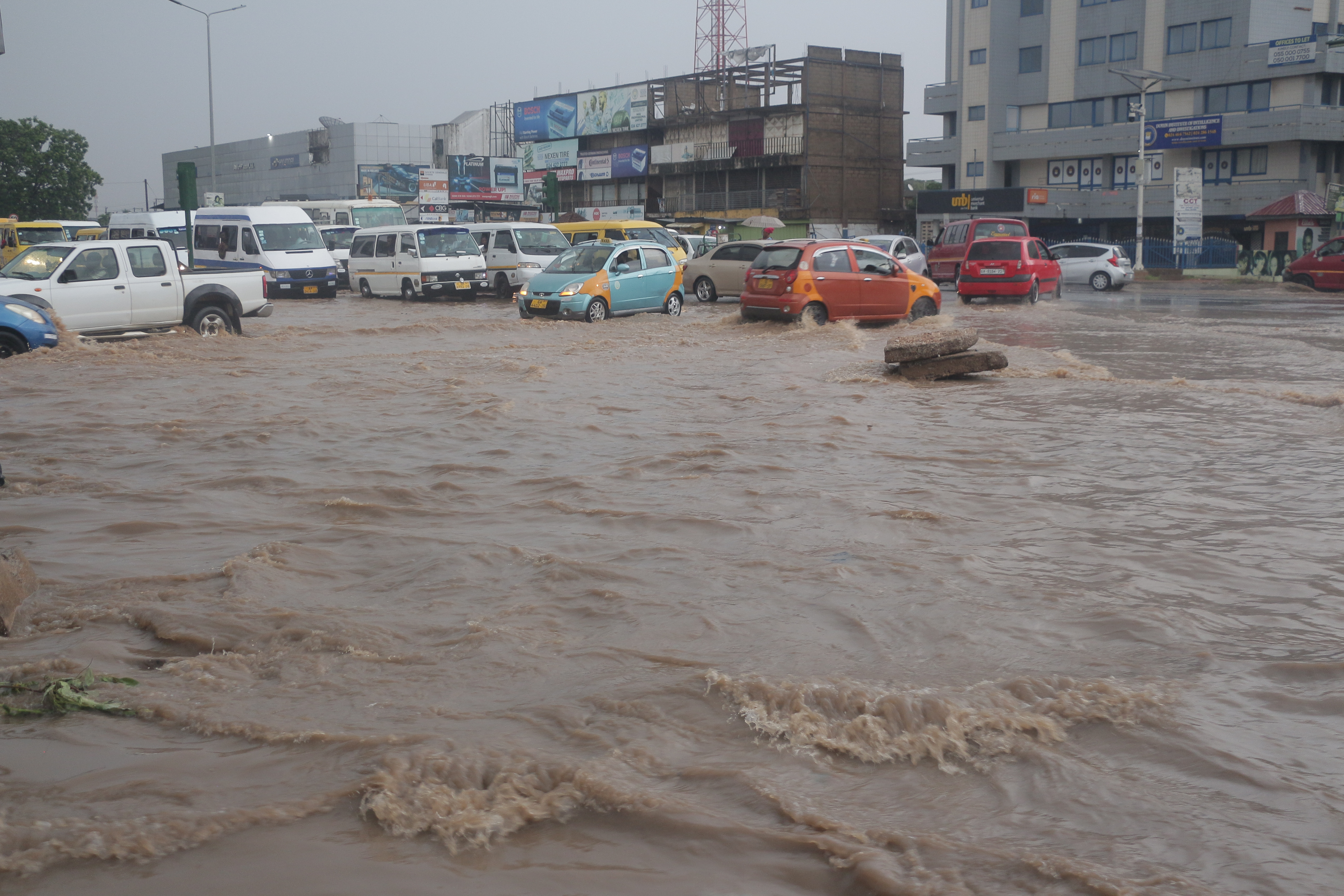
At least 12 people died after heavy torrential rains caused flooding across large parts of Ghana, including the capital city of Accra [1].
The disaster highlights the increasing vulnerability of West African urban centers to extreme weather. As climate change intensifies rainfall patterns, the resulting floods pose a growing threat to human life and critical infrastructure in the region.
The Ghana National Fire Service said the death toll on June 30 [1]. The floods swept through multiple regions, leaving streets submerged and forcing emergency responders to navigate hazardous conditions to reach victims.
Government officials said the torrential rains are linked to climate-change-driven extreme weather [2, 3]. This pattern of volatility has affected multiple nations in the region during the current season.
Beyond Ghana, other West African nations have faced similar devastation this year. In the Ivory Coast, floods have killed 59 people [4]. The scale of these losses suggests a regional trend of intensifying precipitation that exceeds the capacity of existing drainage systems.
Emergency crews in Accra continued recovery efforts following the surge. The Ghana National Fire Service has been primary in managing the response as the country assesses the total damage to homes and public works [1].
“At least 12 people died after heavy torrential rains caused flooding across large parts of Ghana”
The simultaneous flooding in Ghana and the Ivory Coast indicates a broader regional climate crisis in West Africa. The high death toll in the Ivory Coast [4] compared to the recent losses in Ghana [1] suggests that inadequate urban planning and drainage infrastructure are failing to keep pace with the increasing frequency of extreme weather events, turning seasonal rains into lethal disasters.


