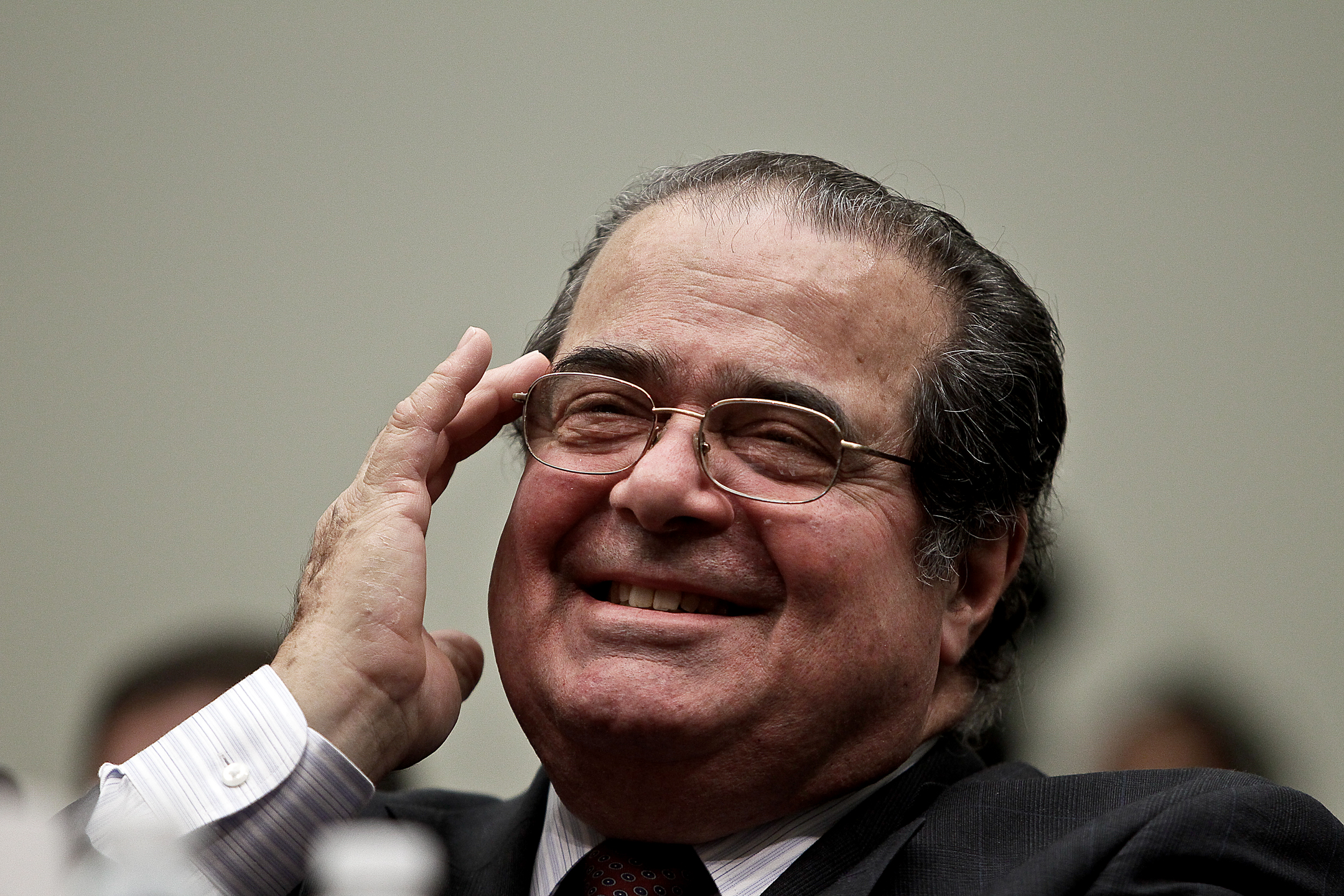
Sen. Kirsten Gillibrand (D-NY) questioned Defense Secretary Pete Hegseth on Thursday regarding the lack of evidence that the Iran war increases U.S. safety.
This exchange highlights growing tensions between the administration and lawmakers over the strategic justification for ongoing conflicts and the allocation of massive defense expenditures during a period of global instability.
During the hearing, Gillibrand said there is no evidence the war with Iran makes Americans safer. She challenged the necessity of the current military engagement and the associated costs of maintaining the conflict.
Financial accountability was a central theme of the questioning. Gillibrand questioned the justification for a $1.5 trillion [1] defense budget request. This inquiry comes as more than 10 [4] Democratic senators push to end the war with Iran, according to reports of a press conference held on Monday [5].
The senator also sought clarity on the status of aid for Ukraine. She questioned the administration regarding $400 million [2] in aid that had been withheld, though records indicate $400 million [3] in aid was released.
Hegseth defended the administration's spending and strategic priorities. The hearing focused on whether the current defense trajectory aligns with national security interests or if the budget reflects an unsustainable level of spending, specifically regarding the trillion-dollar request.
Gillibrand's line of questioning reflects a broader effort to demand accountability for the Iran conflict. By linking the defense budget to specific outcomes in the Middle East and Europe, she aimed to assess whether the current spending is producing the intended security results.
“Sen. Kirsten Gillibrand (D-NY) questioned Defense Secretary Pete Hegseth on Thursday regarding the lack of evidence that the Iran war increases U.S. safety.”
The confrontation signals a deepening divide in the U.S. Senate over the 'forever war' paradigm. By challenging the $1.5 trillion budget and questioning the efficacy of the Iran strategy, Gillibrand is attempting to pivot the national security conversation from quantitative spending to qualitative outcomes. The focus on withheld Ukraine aid further suggests that lawmakers are concerned about the administration's ability to execute foreign policy commitments while managing domestic budget constraints.