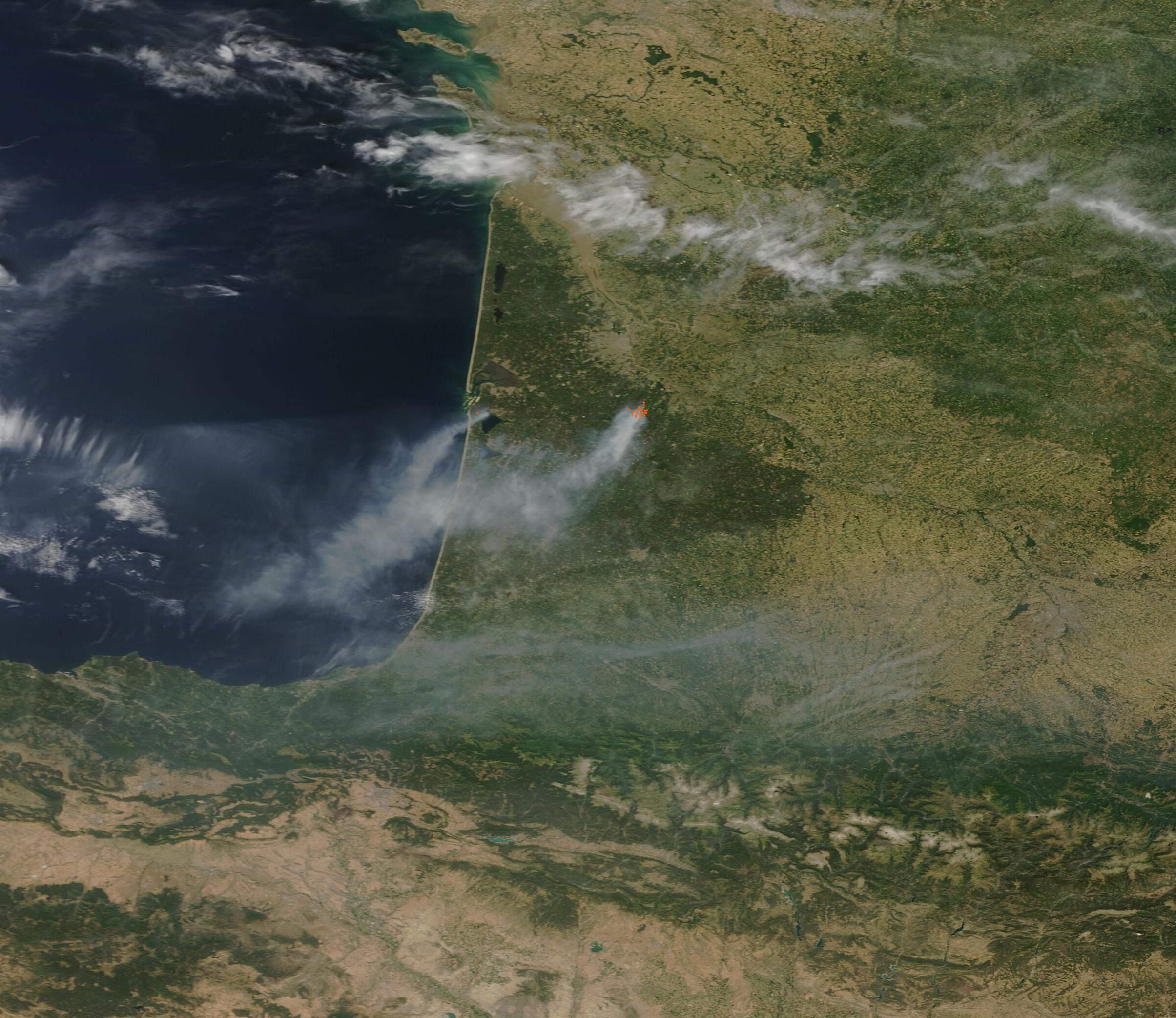
Authorities have evacuated approximately 110,000 residents and visitors from the Gironde region as a massive wildfire advances toward Bordeaux [1].
The scale of the displacement threatens to overwhelm local infrastructure in southwestern France, forcing city officials to seek emergency housing solutions for thousands of displaced people.
The fire has consumed roughly 90,000 hectares of land [1]. Evacuations intensified during the night of July 23–24, 2024, as the flames moved toward the western outskirts of Bordeaux, prompting the closure of nearby communes to ensure public safety [1, 2].
Many of the evacuees have been directed to the Bordeaux exhibition park, known as the Parc des Expositions de Bordeaux. However, the facility is struggling to keep pace with the influx of people. Reports indicate the reception center is already saturated due to the high volume of refugees [1].
Bordeaux Mayor Thomas Cazenave is coordinating the search for additional temporary accommodations to relieve the pressure on the exhibition park. "Bordeaux cherche des logements temporaires pour les évacués," Cazenave said [2].
The coordination effort involves identifying available spaces across the city to house those who can no longer be accommodated at the primary site. The rapid progression of the fire has left officials with little time to establish permanent shelters, leaving them dependent on temporary measures as the crisis continues [1].
“Bordeaux cherche des logements temporaires pour les évacués.”
The saturation of the Bordeaux exhibition park highlights a critical gap in regional disaster preparedness for large-scale climate events. With 110,000 people displaced, the reliance on a single primary reception site creates a bottleneck that complicates emergency logistics and increases the vulnerability of the displaced population.


