Residents of Marcheprime and surrounding communes have organized solidarity efforts to support firefighters battling intense wildfires in Gironde [1].
This community mobilization provides critical logistical relief for emergency crews who have faced extreme exhaustion after days of continuous combat against the blazes. By securing basic needs, the local population allows professional responders to maintain their operational capacity during a high-stakes environmental crisis.
Since Sunday, July 6, 2026, the local gymnasium in Marcheprime has served as a temporary base camp for the firefighters [2]. This facility offers a centralized location for crews to recover between shifts. Local volunteers have coordinated the delivery of meals and the laundering of contaminated gear, which are essential services for personnel working in smoke-filled environments [1].
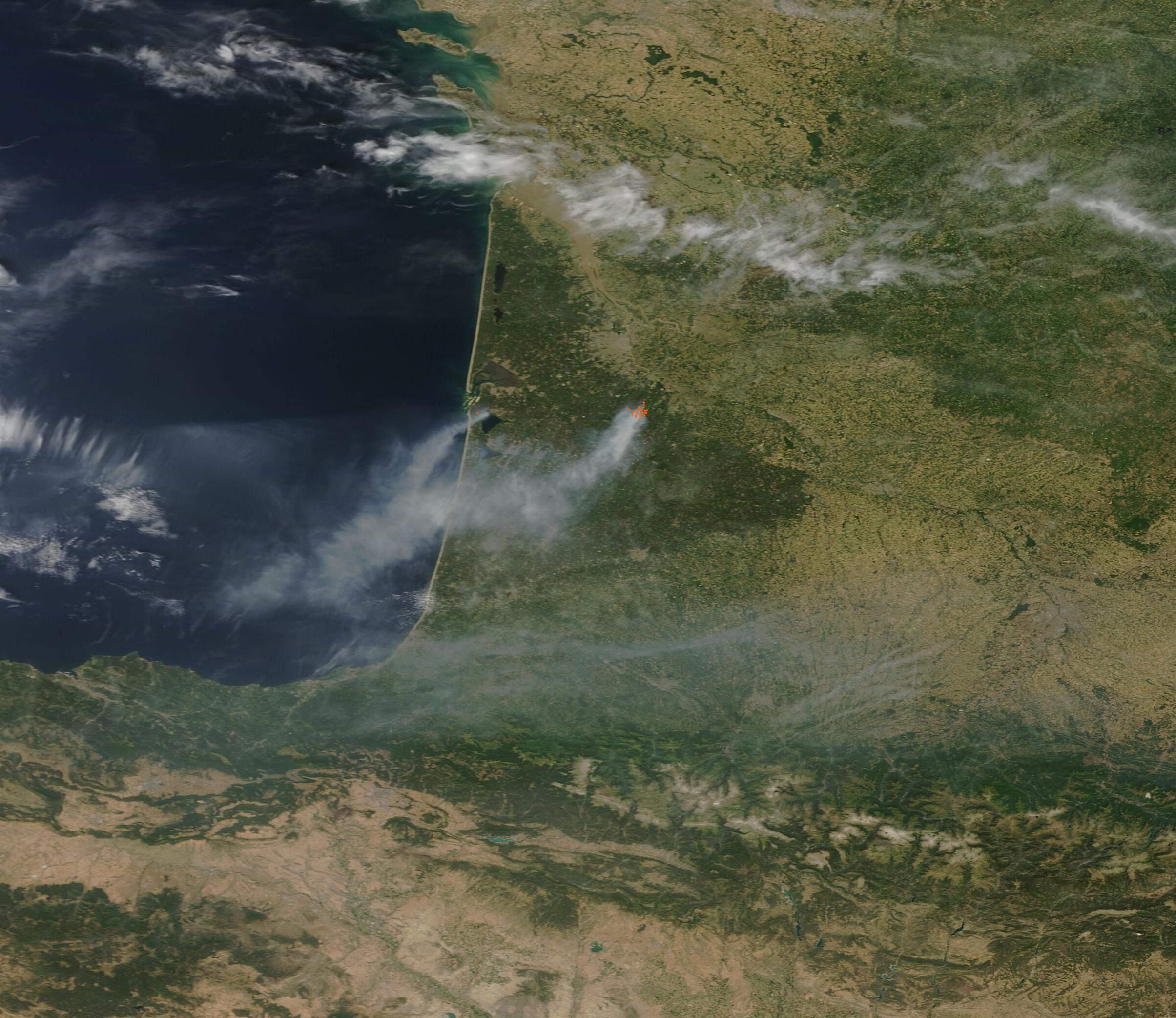
The scale of the disaster is significant, with wildfires covering 19,000 hectares in the Gironde region [3]. The intensity of these fires has necessitated evacuations near Bordeaux, placing immense pressure on the regional firefighting infrastructure [3].
While the community support has been widespread, authorities have issued specific guidelines regarding the types of assistance allowed. While residents are encouraged to provide food and lodging, officials said farmers should not intervene spontaneously on the fires [1]. This distinction is intended to ensure that firefighting operations remain organized and that untrained civilians do not enter high-risk zones without coordination.
The transition of the Marcheprime gymnasium into a hub of support reflects a grassroots response to a regional emergency. The coordination between the municipality and the firefighters ensures that the crews have a stable environment for rest and nutrition, which is vital for the long-term management of the 19,000-hectare burn area [3].
“The local gymnasium in Marcheprime has served as a temporary base camp for the firefighters.”
The mobilization of Marcheprime residents highlights a critical intersection between professional emergency management and civilian support during climate-driven disasters. While grassroots logistics like food and laundry alleviate the burden on state resources, the request for farmers to avoid spontaneous intervention underscores the danger of uncoordinated civilian efforts in active fire zones, where tactical precision is required to prevent casualties.


