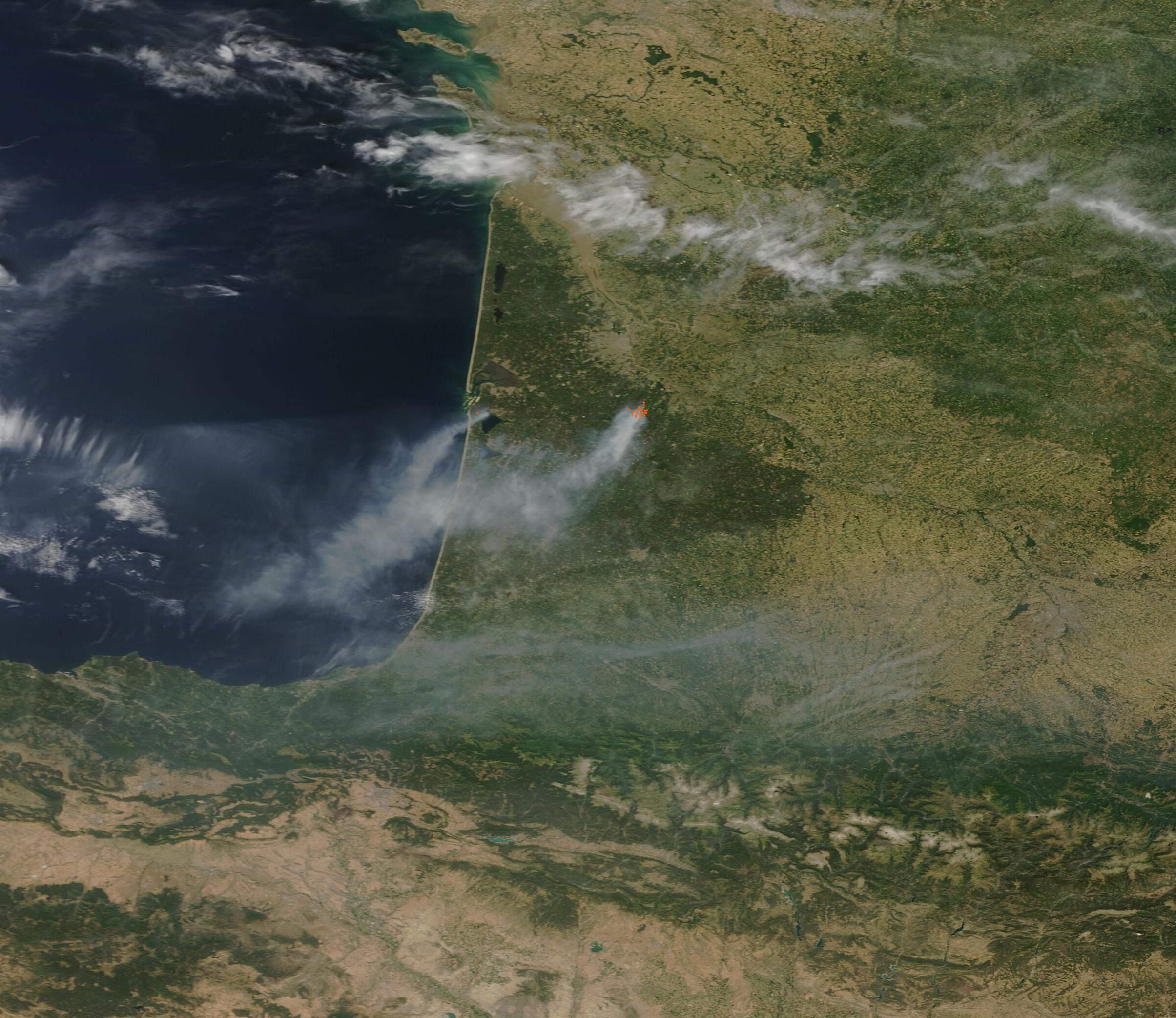
French authorities authorized approximately 84,000 residents to return to their homes in nine communes of the Gironde department on Thursday [1].
The decision follows several days of containment efforts to stop a massive wildfire that devastated the southwestern region. The return of these residents marks a critical step in the recovery process for the local population and the restoration of regional infrastructure.
The prefecture granted immediate reentry for residents of Mios, Le Barp, Cestas, Saint-Jean-d’Illac, Martignas-sur-Jalle, Saint-Médard-en-Jalles, Saint-Aubin-de-Médoc, Salaunes, and Sainte-Hélène [1]. The Préfet de la Gironde said, "Nous autorisons la réintégration immédiate dans neuf nouvelles communes du département."
Officials said the wildfire stabilized after it burned roughly 42,000 hectares of land [3]. The scale of the destruction required extensive evacuation measures across the department to ensure public safety while emergency crews fought the blaze.
Alongside the residential reentry, the A63 highway was reopened in both directions starting at 14:00 [2]. The highway serves as a primary transport artery in the region, and its closure had hampered movement and logistics during the crisis.
Fire service personnel said they have a positive outlook regarding the current state of the terrain. Commandant M described the situation as "très calme" and said that firefighters are "raisonnablement optimistes" [4].
Local authorities continued to monitor the area to prevent any flare-ups as residents began moving back into their communities. The coordination between the prefecture and emergency services allowed for the phased return of the population as the risk levels dropped.
“"Nous autorisons la réintégration immédiate dans neuf nouvelles communes du département."”
The stabilization of the Gironde fire and the subsequent reopening of the A63 highway signal a transition from emergency response to recovery. The scale of the burn—42,000 hectares—suggests significant ecological damage and potential long-term impacts on the region's agriculture and forestry, even as the immediate threat to human life subsides.


