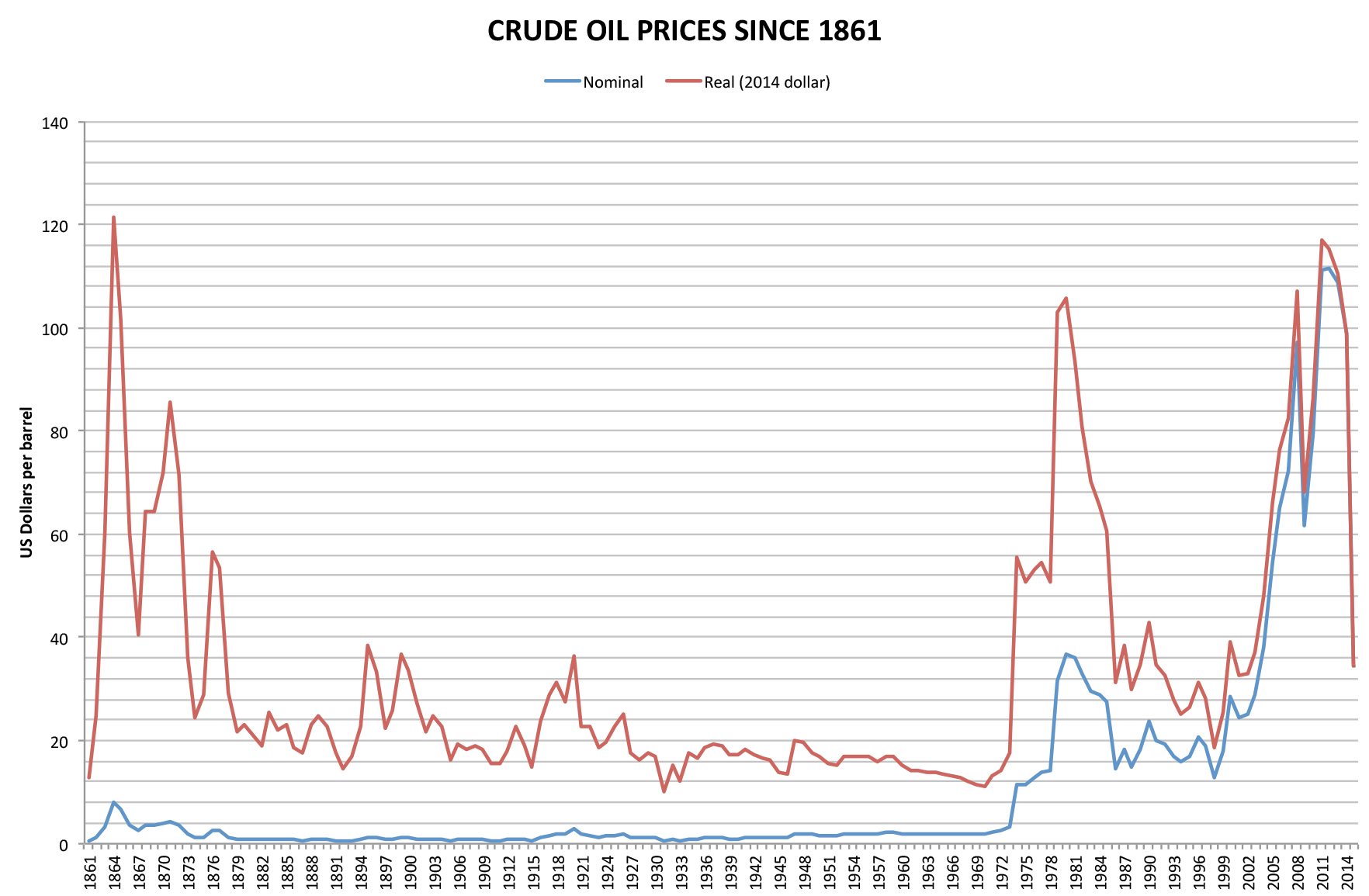
Global government bonds saw a sharp sell-off on Friday, May 15, as oil prices jumped and triggered a broader stock market decline [1].
This volatility signals a growing concern among investors that rising energy costs will fuel inflation, forcing central banks to maintain higher interest rates for longer. The shift threatens to destabilize global financial markets as traders scramble to protect their portfolios against rapid price swings.
The sell-off was driven by a combination of developments in the Iran war, and broader political and trade tensions [1, 3]. As oil prices surged, investors moved away from fixed-income assets, leading to a significant rise in bond yields [1, 2].
Market participants have begun a rapid overhaul of their hedging strategies to manage the risk. Some bond traders have increased their wagers, hedging for a scenario where yields exceed five percent [3]. This activity reflects a growing consensus that the current economic environment is becoming unstable.
Bond futures remain at risk as the hedging process accelerates [2]. The correlation between energy spikes and bond volatility has intensified, creating a feedback loop that complicates the outlook for global equity markets [1].
Traders said the current environment requires a total rethink of risk management. The pressure on government securities comes at a time when many nations are already grappling with high debt levels and fragile economic growth [2].
“Global government bonds saw a sharp sell-off on Friday, May 15, as oil prices jumped.”
The simultaneous rise in oil prices and bond yields creates a 'double squeeze' on the global economy. Higher energy costs increase the cost of living and production, while rising bond yields increase the cost of borrowing for governments and corporations. This environment suggests that geopolitical instability in the Middle East is now a primary driver of macroeconomic risk, potentially overriding traditional central bank guidance on inflation and interest rate paths.


