
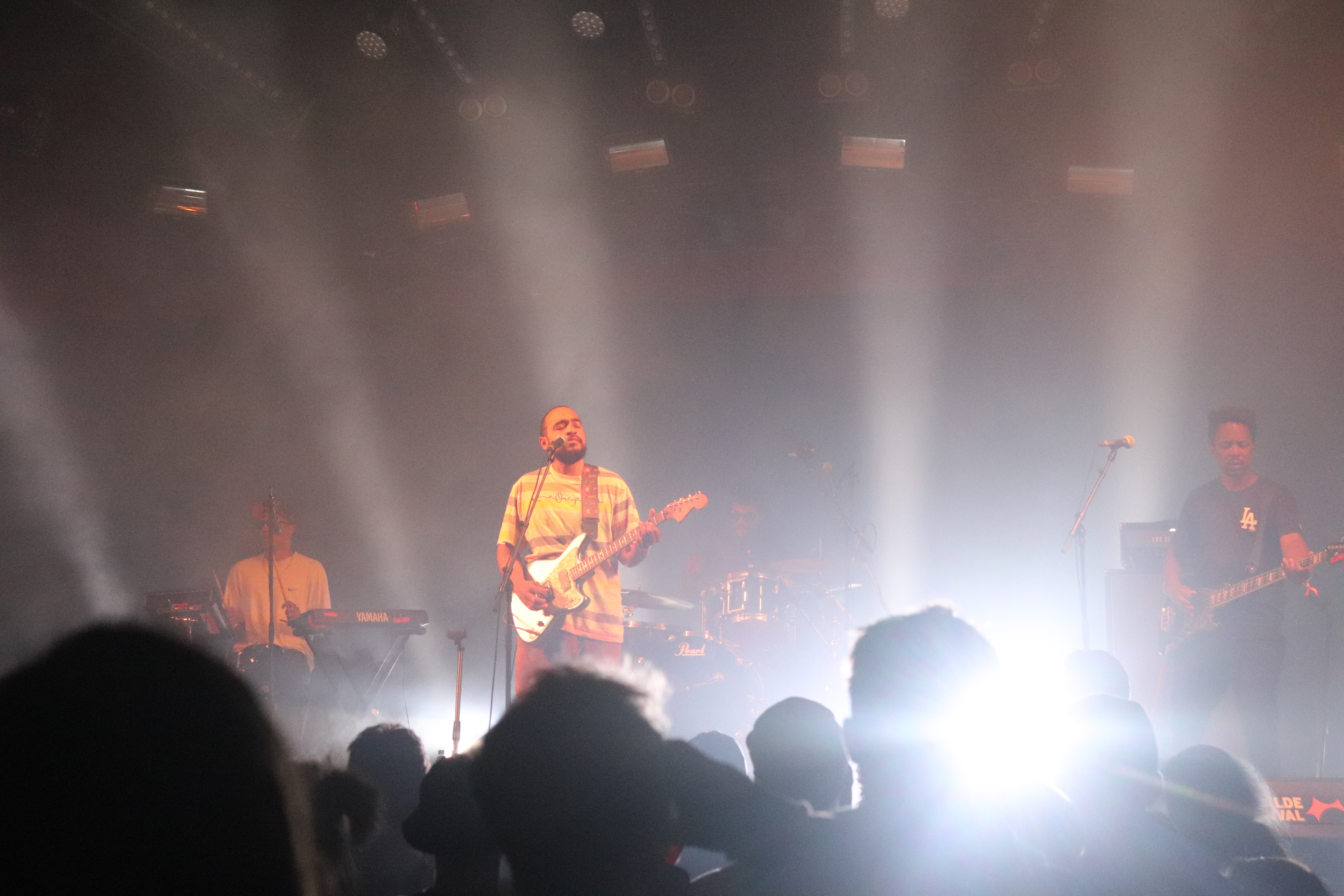
Global culture is becoming increasingly fragmented, as evidenced by the diverse international line-up at Denmark's upcoming Roskilde festival [1].
This shift suggests that the era of a single, shared global monoculture is fading. While massive events still draw worldwide attention, the specific tastes and interests of audiences are splitting into smaller, more distinct niches.
The Roskilde festival, located in eastern Denmark, is scheduled to begin June 27, 2026 [1]. The event's programming reflects this fragmentation, showcasing a wide array of international acts that cater to a variety of cultural backgrounds rather than a centralized pop-culture standard.
This trend exists alongside the paradox of the World Cup. While the tournament remains a dominant force in global headlines and viewership, it does not necessarily signify a unified cultural moment. A cover-story newsletter published June 12, 2026, said the scale of the event masks a deeper divide in how different regions consume and interpret cultural phenomena [2].
The contrast between the World Cup's monolithic reach and the eclectic nature of festivals like Roskilde highlights a tension in modern society. Digital platforms and localized trends have allowed subcultures to thrive independently of the mainstream. As a result, the "global village" is evolving into a collection of separate digital and physical neighborhoods.
Observers said that the ability of a single event to define a global moment is diminishing. Even during the World Cup, audiences are often engaging with the event through fragmented lenses—social media clips, niche blogs, and localized commentary—rather than a shared, singular broadcast experience [2].
“Culture is becoming more fragmented”
The fragmentation of culture indicates that globalism is shifting from a process of homogenization toward a process of diversification. While large-scale infrastructure like the World Cup still provides a common framework, the actual cultural consumption is splitting. This suggests that future influence will be wielded not by those who control a single global narrative, but by those who can navigate and aggregate multiple, fragmented cultural streams.


