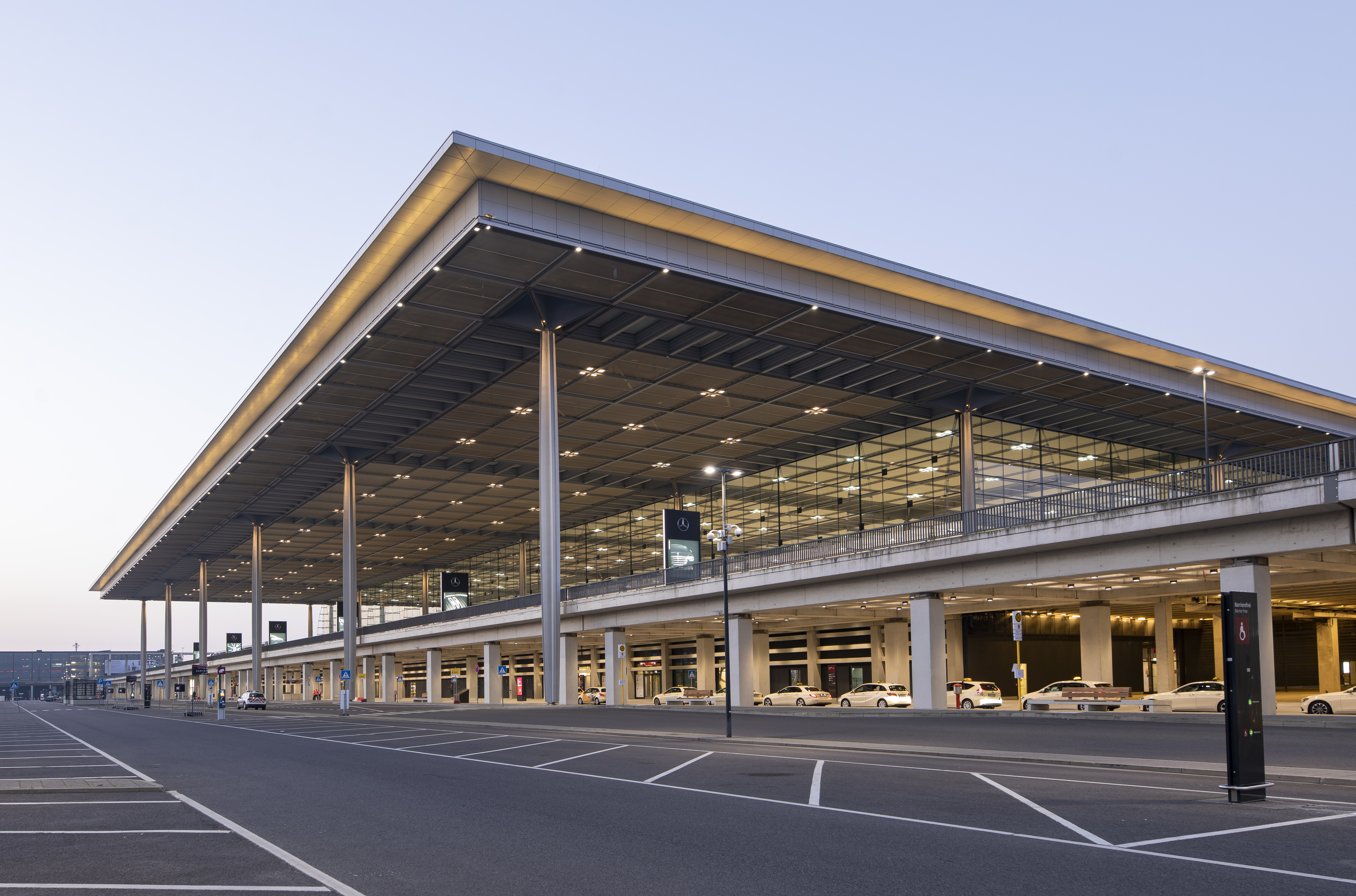
Global liveability rankings are highlighting how urban comfort remains a fragile ecosystem across the world's major cities [1].
These rankings serve as a critical barometer for policymakers and residents, illustrating how quickly the quality of life in a metropolitan area can shift based on economic and social stability.
The discussion of urban stability arrives during a period of high global activity. In the sporting world, the 2026 [1] World Cup has reached a pivotal stage with a quarterfinal match between Norway and England [2]. The performance of nations on the global stage often mirrors the internal stability and infrastructure quality highlighted in liveability indices.
Cultural events are also intersecting with these global trends. On July 11, 2026 [1], a New York City comedian held a live performance, showcasing the enduring role of the arts in maintaining the vibrancy of high-density urban centers. Meanwhile, the media landscape continues to shift, with reports on the evolution of entertainment formats. David Fox said, "'Saturday Night Live UK' Is Officially Forced Into a Major Change Earlier Than Expected" [3].
Beyond entertainment, diplomatic movements continue to influence regional stability. Recent activity involving Iran's foreign minister in Oman underscores the geopolitical tensions that can directly impact the liveability and safety of cities within the Middle East [1].
These disparate events, from the football pitch in Norway to the comedy clubs of the U.S., collectively demonstrate the interconnected nature of modern urban life. The ability of a city to host global events and maintain a high standard of living depends on a complex balance of governance, infrastructure, and social cohesion [1].
“Urban comfort is a fragile ecosystem.”
The intersection of liveability data with high-profile events like the World Cup and international diplomacy suggests that urban quality of life is not a static achievement. Instead, it is a dynamic state that requires constant maintenance and is susceptible to geopolitical shifts and social volatility.