Global equity markets declined Friday, July 17, 2026, as investors sold off artificial intelligence stocks and computer-chip makers [1, 2].
This downturn reflects a growing volatility in the tech sector, where high valuations for AI firms are now colliding with geopolitical instability. The resulting sell-off has created a ripple effect across major financial hubs, signaling a potential shift in investor confidence toward high-growth technology assets.
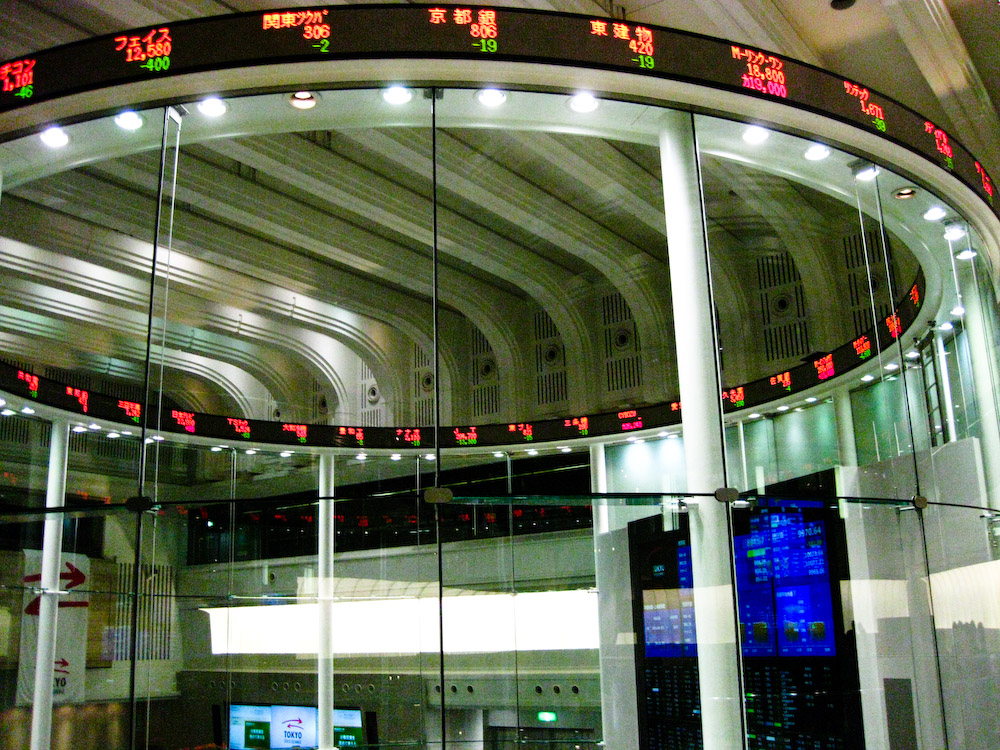
Asian markets experienced significant losses. Tokyo's Nikkei 225 fell nearly five percent [2]. Similar declines were observed in Bangkok and Seoul [3, 4].
In the U.S., Wall Street also felt the impact of the tech slump. The S&P 500 fell 0.4% on Tuesday [4]. Despite the index falling, the majority of stocks within the S&P 500 actually rose [4]. This divergence suggests that the losses were heavily concentrated in a few massive AI-related companies rather than a broad market collapse.
Market nervousness was compounded by a flurry of military strikes between the U.S. and Iran [1, 3]. While the geopolitical tension typically drives energy costs upward, reports on oil prices were mixed. Some data indicated that oil prices fell despite the strikes, while other reports said prices drifted [1].
Investors have increasingly focused on the sustainability of AI growth. The heavy selling of chipmakers suggests that the market may be recalibrating the expected returns from AI infrastructure. This trend, combined with the instability in the Middle East, has prompted a flight from riskier assets toward more stable holdings [1, 3].
“Tokyo's Nikkei 225 fell nearly 5%”
The concentration of gains in a few AI-driven giants has left global indices vulnerable to 'top-heavy' corrections. When a handful of mega-cap tech stocks decline, they can pull down an entire index even if most other companies are performing well. Coupled with military tension between the U.S. and Iran, this volatility suggests that markets are currently more sensitive to geopolitical shocks and tech valuations than to broader economic fundamentals.


