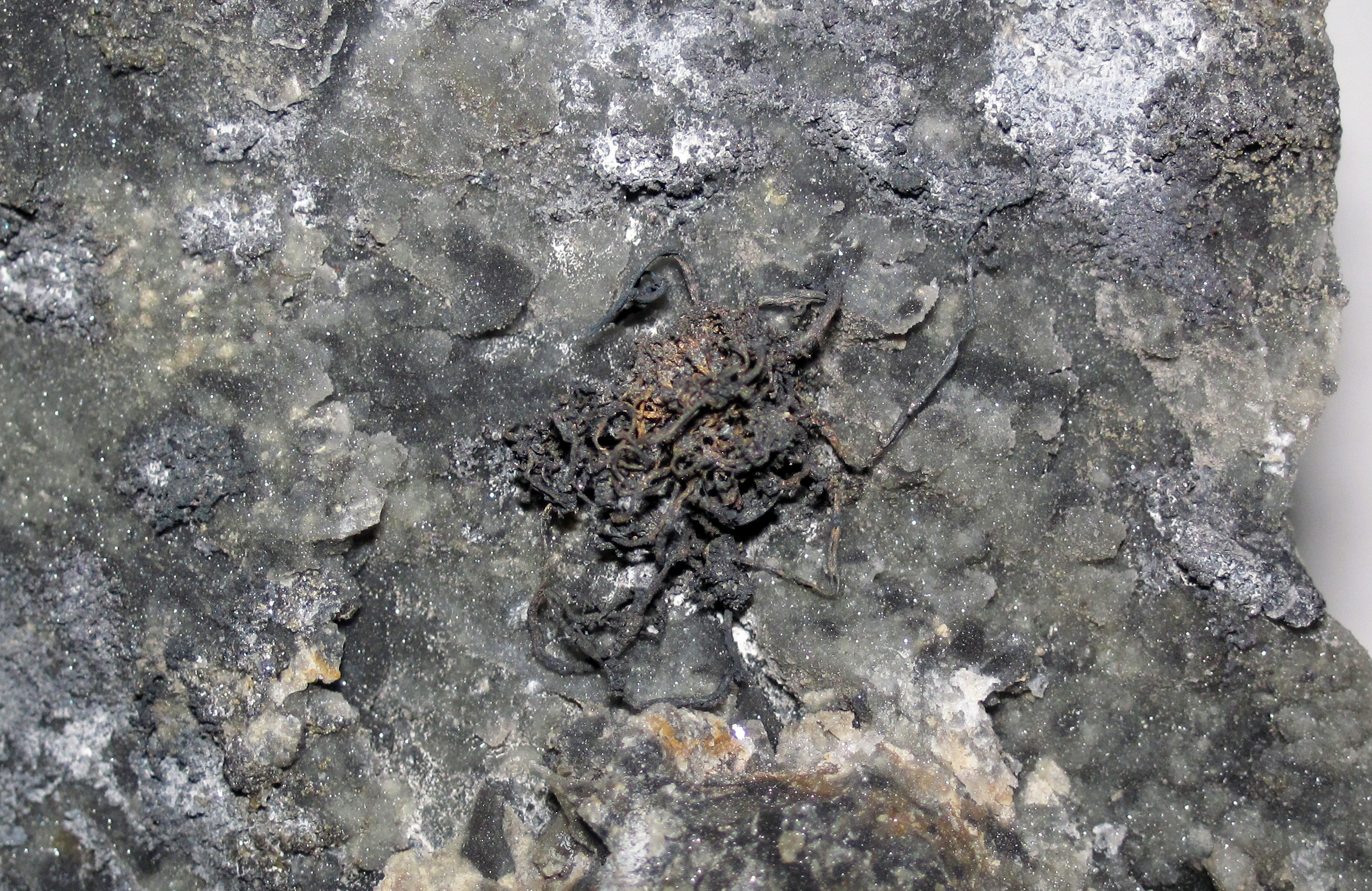
Countries are expanding nuclear fuel sources through reopened uranium mines, increased enrichment capacity, and the exploration of alternative fuel origins [1].
The push for diverse fuel sources comes as nations seek to secure energy independence amid a global revival of nuclear power. With a projected surge in energy needs, the stability of the uranium supply chain has become a critical matter of national security for many governments.
Global uranium demand is expected to double by 2040 [1]. This projected growth is driving a race to secure raw materials from traditional terrestrial sources and experimental frontiers. In Saskatchewan, Canada, the industry is scaling up to meet this demand. NexGen Energy has begun construction on the Rook I uranium project with an estimated cost of C$2.2 billion, or U.S.$1.6 billion [2].
Beyond traditional mining, researchers are investigating seawater extraction as a viable method to acquire uranium. Because the oceans contain vast amounts of the element, this technology could potentially provide a nearly inexhaustible supply of fuel, provided the extraction process becomes economically feasible.
The search for energy has also extended beyond Earth. Some nations are exploring the possibility of extracting lunar resources, including helium-3, to power future fusion technology [1]. While fusion remains an experimental energy source, the prospect of lunar mining represents a long-term strategy to move beyond finite terrestrial minerals.
These efforts include not only the extraction of raw materials but also the expansion of enrichment capacity. Increasing the ability to process uranium is essential for the operation of modern reactors, and the development of next-generation nuclear plants [1].
“Global uranium demand is expected to double by 2040.”
The diversification of nuclear fuel sourcing indicates a shift toward long-term energy strategic planning. By pursuing seawater extraction and lunar resources alongside traditional mining, nations are attempting to hedge against the geopolitical risks associated with the concentrated geographic distribution of terrestrial uranium deposits.
