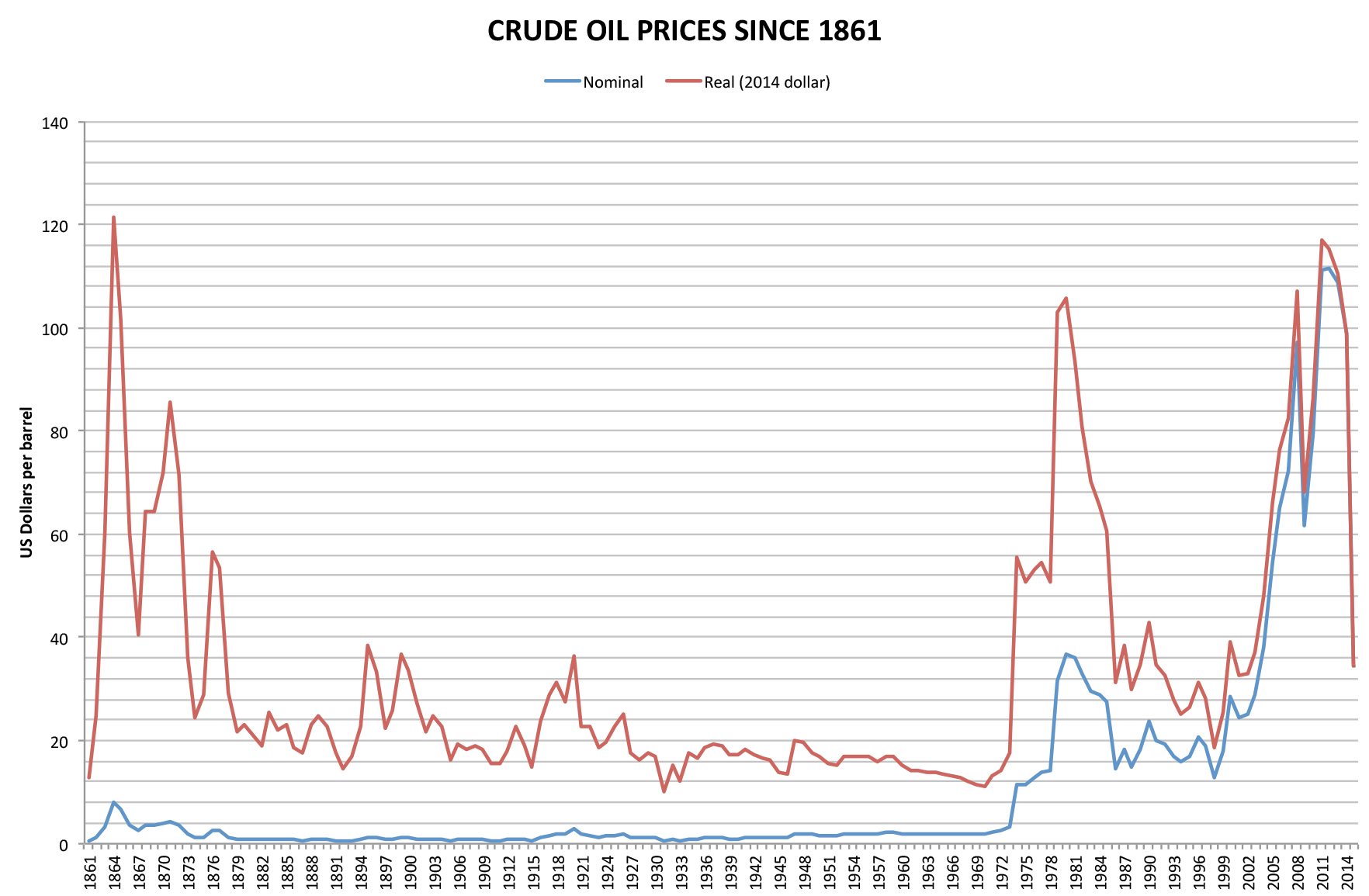
Global oil prices continue to influence energy costs and the price of everyday items on July 7 [1].
Fluctuations in the oil market are critical because they dictate the cost of transportation and manufacturing. When crude prices shift, the ripple effect is felt by consumers at the pump and in the grocery store.
Market reports from Fortune, MSN, and Exchangerates.org.uk indicate that the current price of oil remains a focal point for global economic stability [1]. These price movements are closely monitored by analysts to predict inflation trends and shifts in international trade balances.
In some regions, political instability has intersected with energy exports. A report from Wikinews said that the junta has earned huge amounts of foreign revenue from oil and gas exports, with prices jacked up many times over [2]. This suggests that geopolitical control over resources can lead to artificial price inflation for the benefit of ruling regimes.
Beyond energy, the broader economic climate is showing signs of increased pressure on consumers. While oil prices drive the cost of fuel, other sectors are seeing record-breaking expenses. A report from Jalopnik said that monthly new car payments have hit a record $777 [3] as vehicles become increasingly unaffordable for the average buyer.
These combined factors — volatile energy markets and rising consumer debt — create a challenging environment for global economic growth. The intersection of resource pricing and consumer affordability remains a primary concern for policymakers this week.
“The junta has earned huge amounts of foreign revenue from oil and gas exports, with prices jacked up many times over.”
The current volatility in oil pricing, combined with record-high consumer costs in other sectors like automotive payments, suggests a period of sustained inflationary pressure. When energy costs rise alongside the cost of durable goods, it reduces the purchasing power of the global middle class and increases the economic leverage of resource-rich regimes.


