
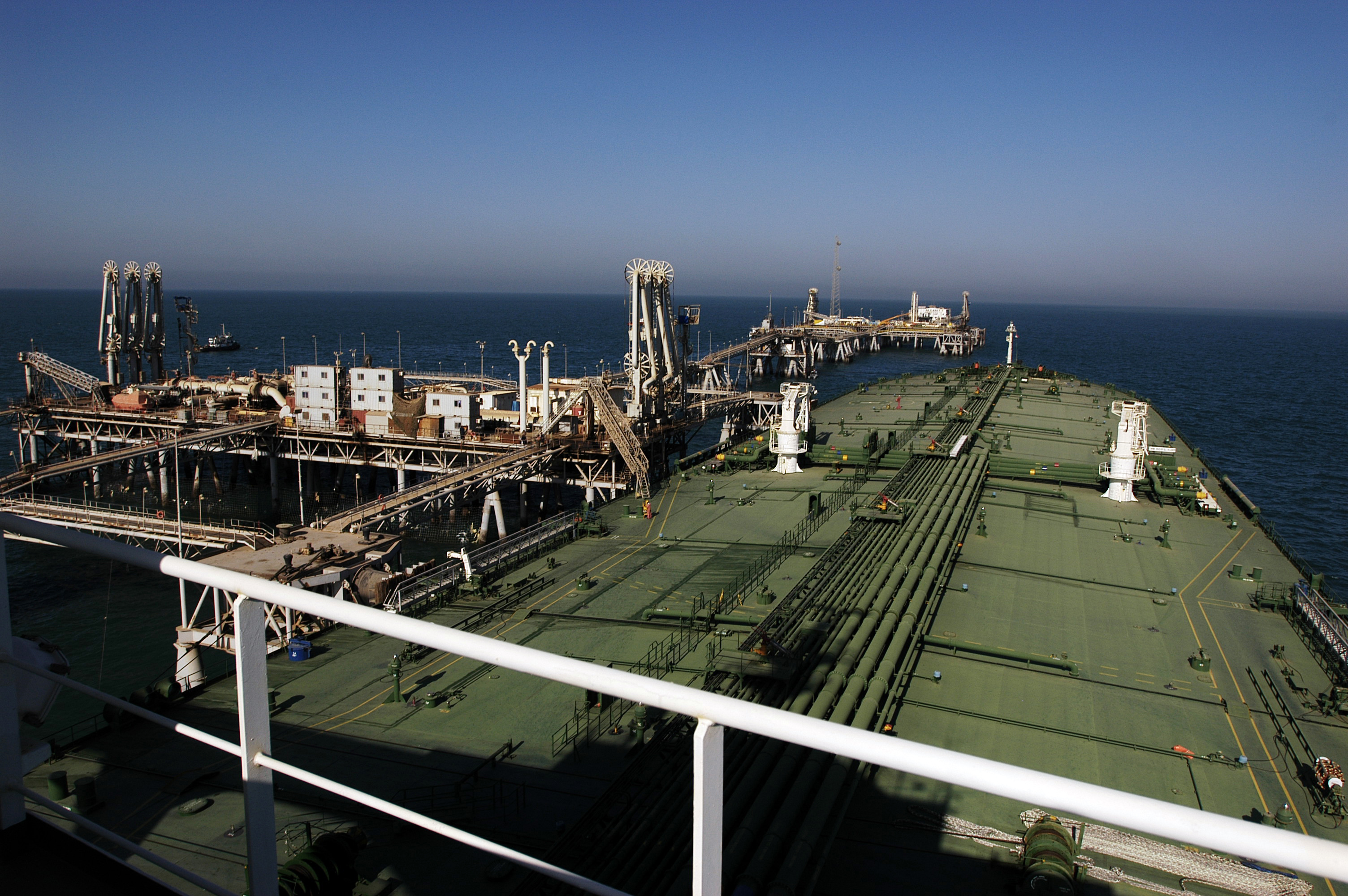
International crude oil prices rose Monday as investors reacted to renewed military exchanges between the U.S. and Iran [3].
These price surges reflect growing fears that conflict in the Middle East could disrupt critical energy supplies, potentially destabilizing global economies that rely on stable oil imports.
Market data shows crude oil prices surged about 3% in the latest trading session [1]. In other markets, the MCX crude oil price rose as much as 5.51% to ₹9,471 per barrel [2]. These gains follow a period of extreme volatility where prices previously fell about 3% after a fragile cease-fire between the U.S. and Iran held [5].
Analysts said the current climb is driven by heightened geopolitical uncertainty. Market participants are closely monitoring the Strait of Hormuz, a primary transit point for global oil shipments. The inability of the U.S. and Iran to reach a peace proposal has kept the market on edge, contributing to the upward trend in costs.
Some projections suggest the volatility may intensify in the coming months. Certain forecasts indicate crude oil could reach a new all-time high by Sept. 30, representing a 22% increase [4].
The fluctuations highlight the sensitivity of energy markets to diplomatic failures in the region. While a cease-fire can trigger immediate price drops, renewed military activity quickly reverses those gains as traders hedge against the risk of a total supply blockade.
“Crude oil prices surged about 3% in the latest trading session”
The volatility in crude prices demonstrates how geopolitical instability in the Middle East acts as a primary driver for global inflation. Because the Strait of Hormuz is a critical chokepoint for energy transit, any military escalation between the U.S. and Iran creates an immediate 'risk premium' in oil pricing, regardless of actual supply levels.


