
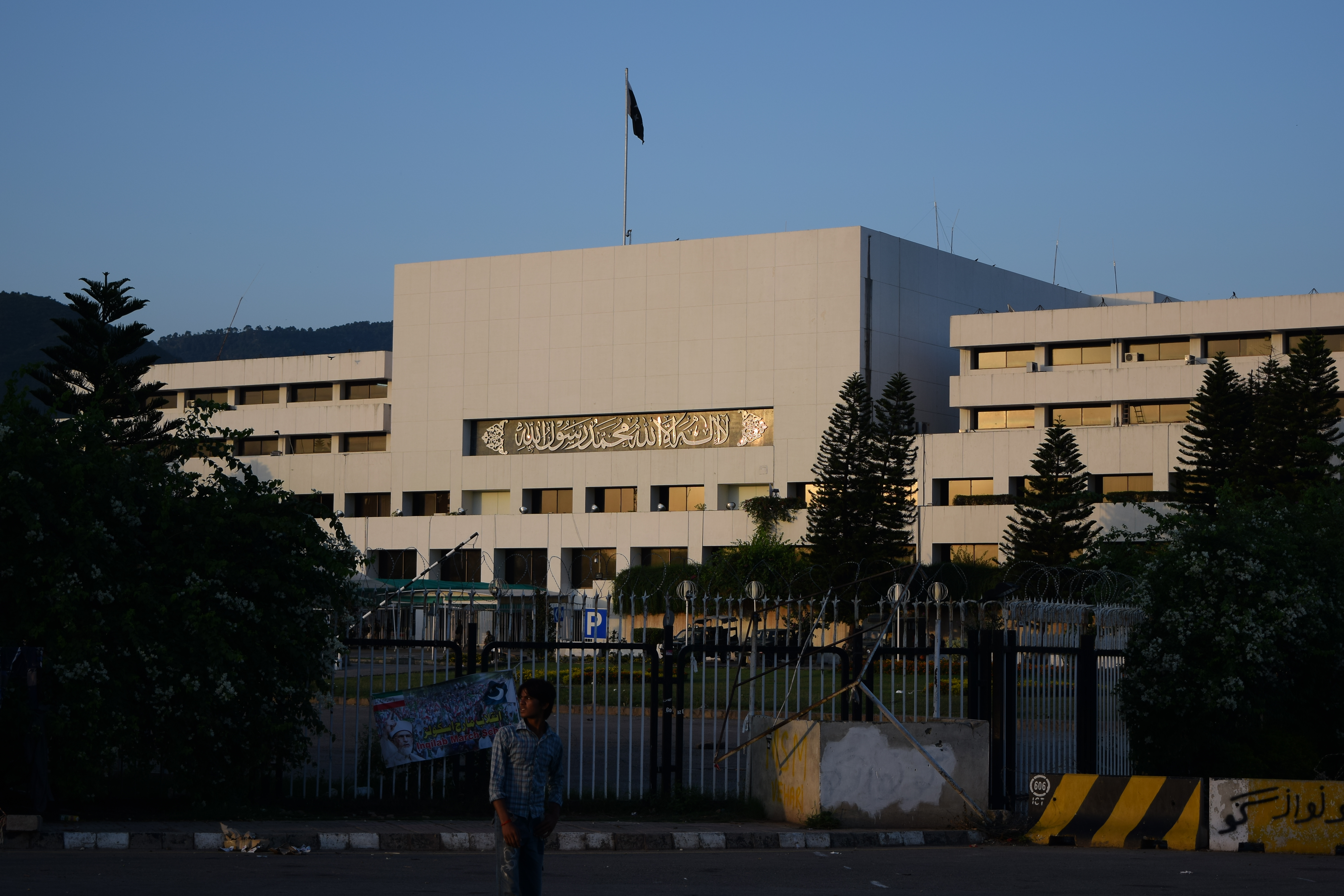
Dr. Gohar Ejaz has unveiled a shadow federal budget calling for sweeping tax cuts and deep structural reforms to Pakistan's fiscal framework [1].
The proposal seeks to overhaul the national tax system to address long-standing structural weaknesses. By shifting toward a growth-led framework, the plan aims to end the country's recurring reliance on International Monetary Fund loans [2].
Ejaz, who is a former federal minister and the chairman of the Economic Policy and Business Development think-tank, designed the framework for the 2026-27 period [1]. He said the current system requires a fundamental shift to foster economic stability.
The shadow budget focuses on reducing the tax burden to stimulate business activity. Ejaz said homegrown reforms are necessary to ensure that Pakistan can manage its fiscal obligations without external intervention [2].
The proposal emphasizes a transition toward a more sustainable economic model. This includes a complete review of how the government collects revenue, and manages public spending, to ensure that growth is driven by internal productivity rather than debt [1].
Ejaz said the structural changes are essential for long-term viability. The plan advocates for a simplified tax code to encourage compliance and increase the overall tax base [2].
“The plan aims to end the country's recurring reliance on International Monetary Fund loans.”
The introduction of a shadow budget by a former minister highlights a growing internal debate over Pakistan's fiscal sovereignty. By proposing tax cuts and structural overhauls, the plan challenges the traditional austerity measures typically required by the IMF, suggesting that growth-led strategies may be a viable alternative to debt-driven stability.


