
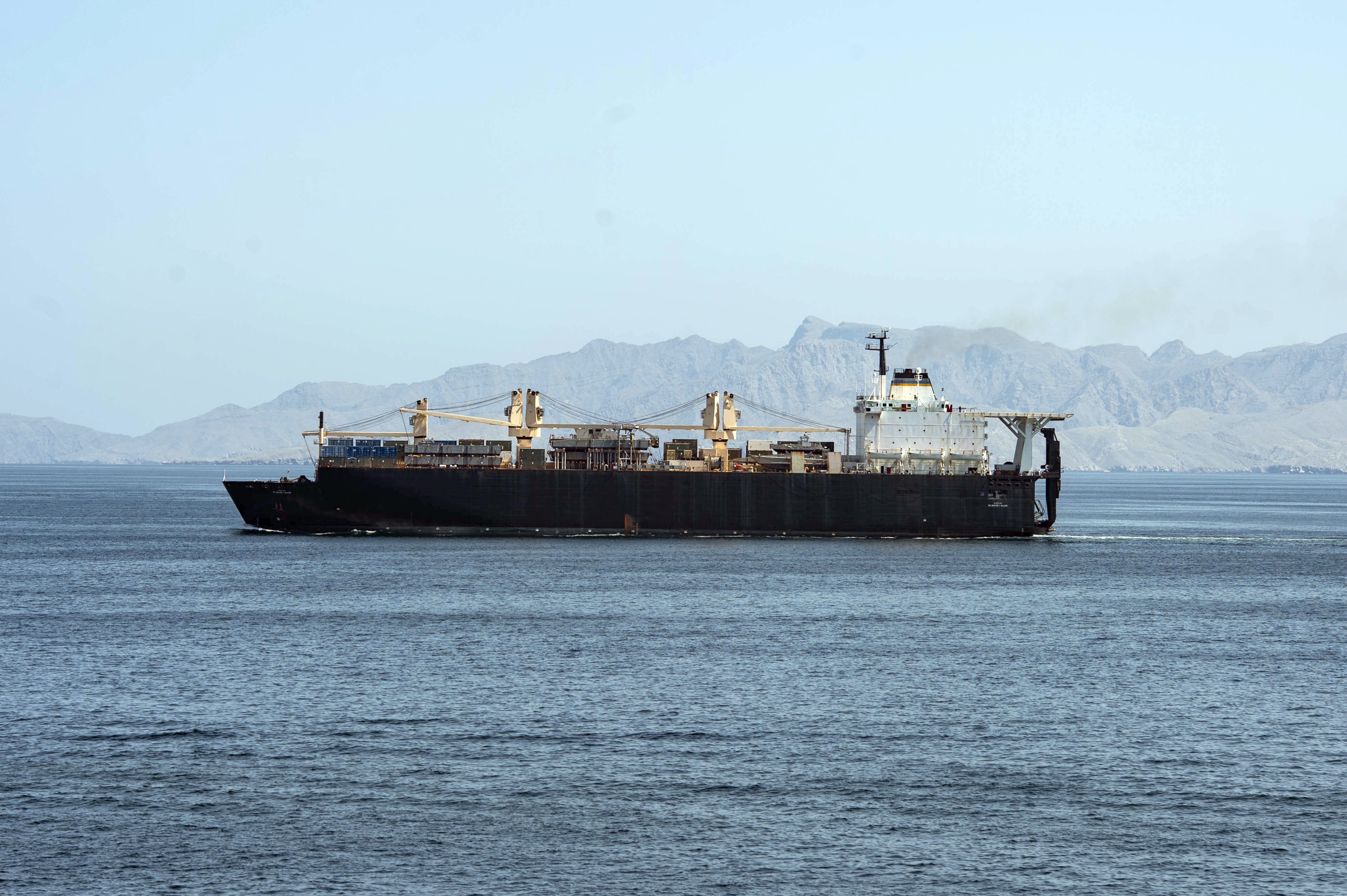
Gold prices fell on Tuesday, May 26, 2024, as U.S. forces conducted strikes in the Strait of Hormuz [1].
The decline reflects a shift in investor sentiment as geopolitical instability begins to trigger inflation warnings rather than traditional safe-haven buying. Rising oil costs typically pressure central banks to maintain higher interest rates, which reduces the appeal of non-yielding assets like gold.
Reuters said gold fell because fresh U.S. attacks in Iran pushed oil prices higher, fueling concerns around inflation and higher-for-longer interest rates [3]. The military activity in the Strait of Hormuz has dampened optimism regarding diplomatic talks intended to reopen the critical waterway [1, 2].
Market data shows the spot gold price reached $4,540 per ounce [4]. This downward movement follows a period of volatility, with gold prices falling nearly four percent last week [4].
Investors are currently balancing the tension between the geopolitical risk of the strikes and the economic risk of a price surge in energy markets. While gold often rises during conflict, the specific nature of these strikes in a primary oil transit corridor has shifted the focus toward the potential for a global inflation spike [1, 3].
Analysts said that the prospect of a deal between the U.S. and Iran to stabilize the region has become less certain following the strikes [1, 2]. This uncertainty contributes to the bond market turmoil, and the subsequent pressure on precious metals [5].
“Gold fell on Tuesday as fresh U.S. attacks in Iran pushed oil prices higher.”
The inverse relationship between gold and oil in this scenario highlights a critical economic pivot. While gold is typically a hedge against war, it struggles when that war threatens energy supplies. Because oil price spikes drive inflation, they force central banks to keep interest rates high, making the cost of holding gold more expensive for investors.


