
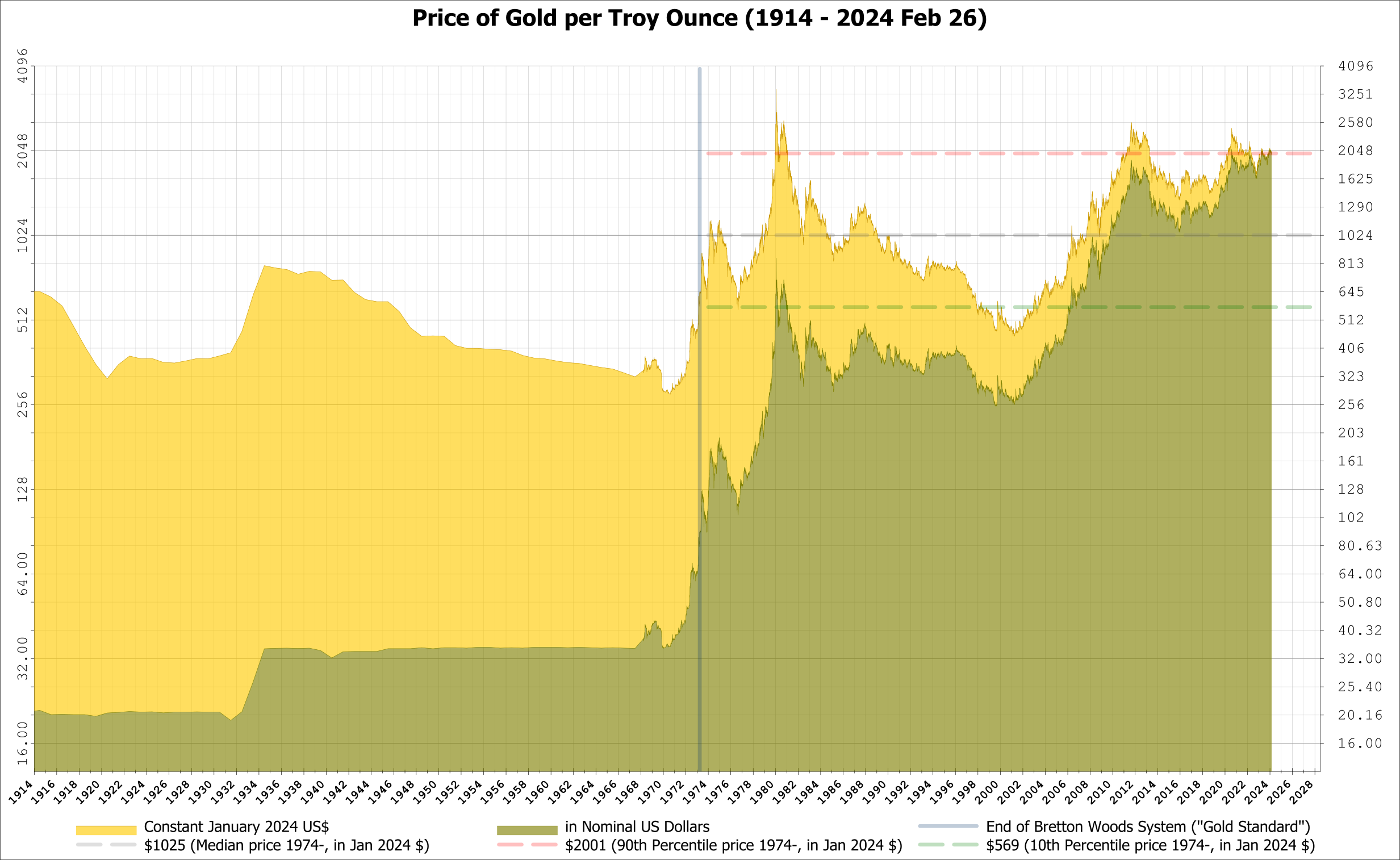
Gold and silver prices rose on May 27, 2026, driven by a weaker U.S. dollar and geopolitical instability [1].
This movement reflects a broader shift in investor sentiment toward safe-haven assets. When the U.S. dollar declines or global instability increases, investors typically pivot toward precious metals to hedge against economic volatility and currency devaluation.
Gold futures reached $4,517.70 per ounce [1]. This represents a 0.34% increase in price [1]. The rise in gold is often viewed as a barometer for global economic anxiety, a trend amplified by the current market climate.
Silver outperformed gold in terms of percentage growth. The price of silver rose to $77.615 per ounce [1], marking a 1.32% increase [1]. These gains were recorded across COMEX and other global bullion markets [1].
Market analysts said the surge is due to a combination of currency fluctuations and regional conflicts. A softer U.S. dollar makes bullion cheaper for holders of other currencies, which typically stimulates demand [1].
Additionally, rising geopolitical tensions in West Asia have boosted the appeal of gold and silver [1]. While some reports suggest these tensions are lingering rather than intensifying, the perceived risk continues to support higher price floors for precious metals [1].
Investors continue to monitor the balance between U.S. monetary policy and international stability. The current trajectory suggests that as long as the U.S. dollar remains weak, the upward pressure on bullion prices is likely to persist [1].
“Gold futures reached $4,517.70 per ounce”
The simultaneous rise in gold and silver prices indicates a low appetite for risk among global investors. By moving capital into bullion, the market is signaling a lack of confidence in the short-term stability of the U.S. dollar and a cautious outlook regarding the security situation in West Asia.


