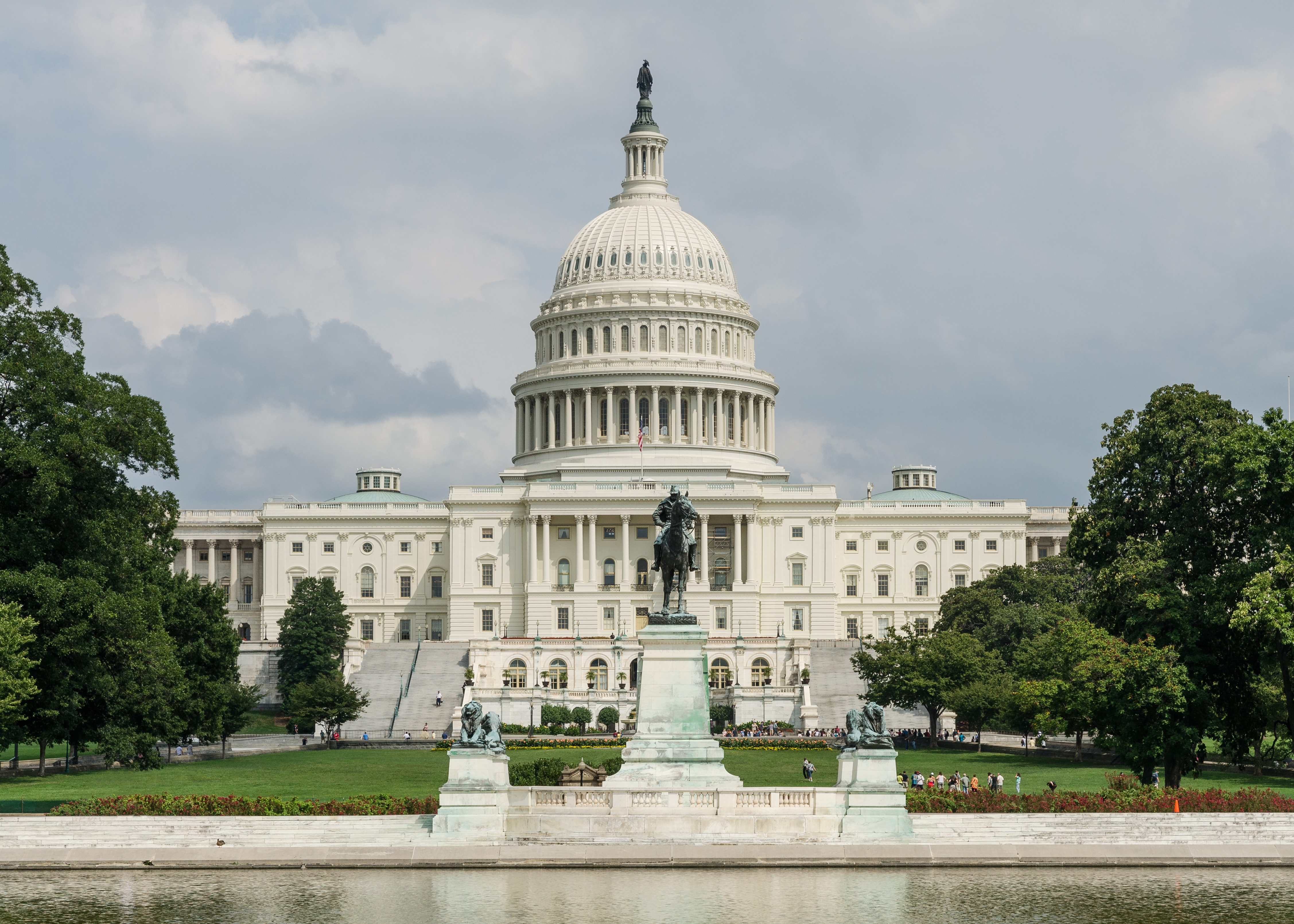
Google DeepMind CEO Demis Hassabis met with U.S. lawmakers in Washington to propose a government-backed AI watchdog [1, 3, 5].
The proposal seeks to establish a formal oversight mechanism for frontier AI development to prevent catastrophic failures. By creating a centralized authority, the U.S. could potentially mitigate existential risks associated with nuclear or biological threats [1, 4].
Hassabis said the new agency be modeled after the Financial Industry Regulatory Authority, known as FINRA [1, 2]. This approach would apply a framework similar to Wall Street's regulatory structure to the artificial intelligence sector. Such a body would have the authority to police the development of advanced models and, according to some reports, could possess the power to pause industry operations if safety thresholds are not met [3].
The push for regulation comes as the timeline for achieving artificial general intelligence narrows. Hassabis said that the window for reaching this milestone is five to 10 years [6].
During the meetings in Washington, Hassabis said the need for a global safety standard led by the U.S. [2, 3]. He said the goal is to ensure that the trajectory of AI development remains safe as the technology scales toward general intelligence [1, 4].
The proposal highlights a growing trend of AI leaders calling for government intervention. Rather than relying on voluntary commitments from tech companies, a FINRA-style watchdog would provide a legal mandate for enforcement, and transparency, across the frontier AI landscape [1, 2].
“The proposal seeks to establish a formal oversight mechanism for frontier AI development to prevent catastrophic failures.”
The proposal to model AI oversight after FINRA suggests a shift toward a 'self-regulatory organization' (SRO) model, where the industry is overseen by a body that is technically independent but carries government-backed enforcement power. If adopted, this would move AI safety from a set of voluntary guidelines to a mandatory compliance framework, potentially slowing the speed of deployment in exchange for rigorous safety auditing.


