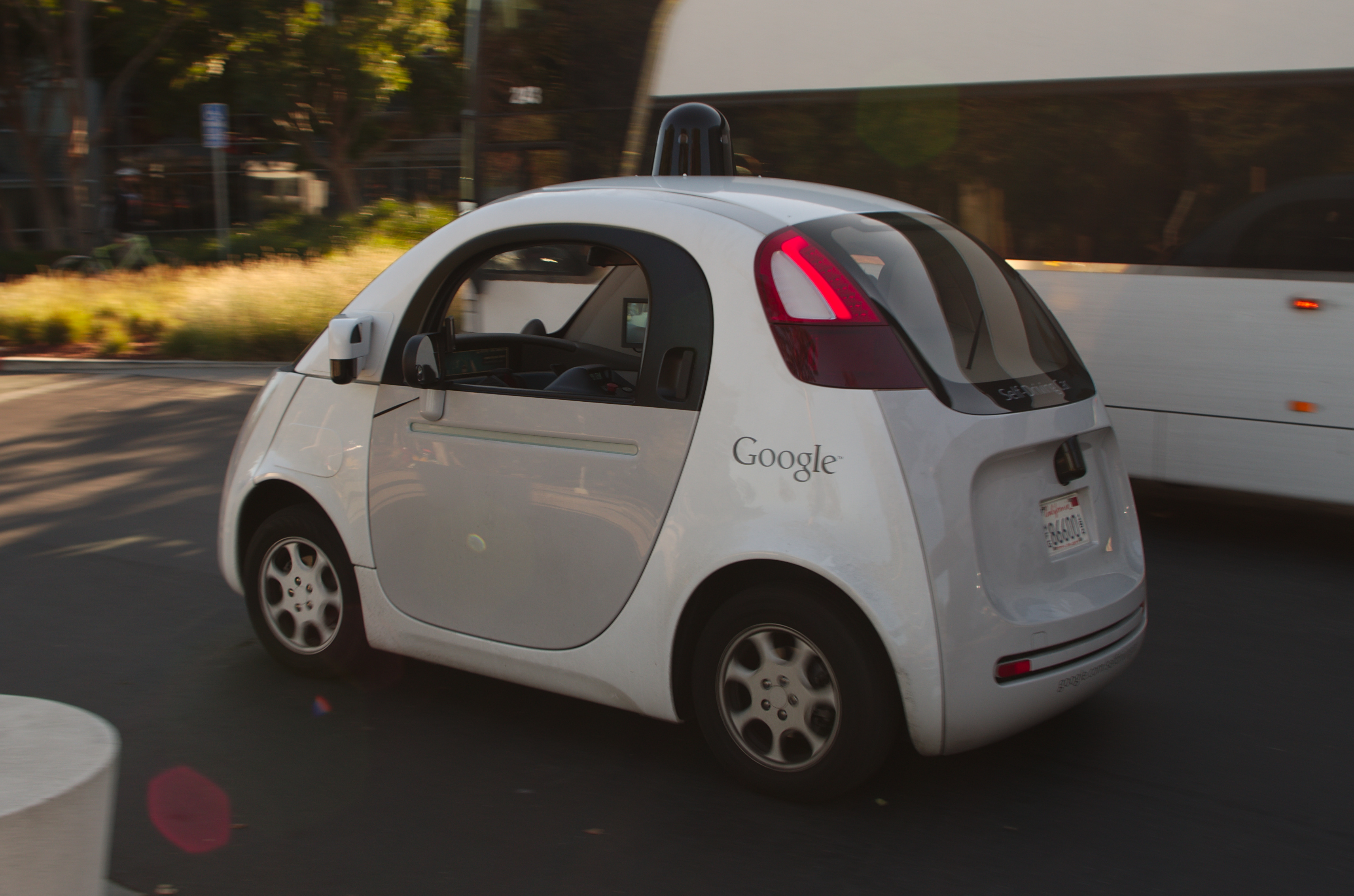
Google could produce more AI accelerators than Nvidia sells by 2028, according to recent analyst projections [1].
This shift would represent a fundamental change in the AI hardware landscape. By developing its own silicon at scale, Google could reduce its reliance on external vendors and challenge Nvidia's current dominance in the data center market.
Analysts said that Google's ambition involves producing up to 15 million AI chips by 2028 [3]. This target would place the company in direct competition with the total accelerator volume of the established market leader [1]. To reach these aggressive targets, Google may need to diversify its manufacturing partners, a move that could lead the company to utilize Intel Foundry [1].
Such a production volume would be a significant leap from previous industry benchmarks. For comparison, Fubon Research estimates that Nvidia supplied 8.2 million data center GPUs [4]. If Google reaches its projected 15 million units, it would nearly double that specific volume marker [3, 4].
"Google’s ambition to produce up to 15 million AI chips by 2028, rivaling Nvidia's total accelerator volume, is a significant challenge for the established market leader," an analyst said [1].
The move toward internal silicon production allows Google to optimize hardware specifically for its own software stacks and AI models. This vertical integration is intended to increase efficiency, and lower the long-term costs associated with scaling large language models across its global data centers [1].
“Google could produce more AI accelerators than Nvidia sells by 2028”
The potential move toward 15 million internal chips signals a transition from AI hardware as a commodity purchase to a strategic internal asset. If Google successfully integrates Intel Foundry into its supply chain, it not only threatens Nvidia's market share but also validates Intel's pivot toward becoming a major foundry service provider for hyperscalers.


'%2F%3E%0A%20%20%20%20%3Crect%20width%3D'1600'%20height%3D'900'%20fill%3D'url(%23v)'%2F%3E%0A%20%20%20%20%3Cg%20opacity%3D'0.08'%20fill%3D'%23ffffff'%3E%0A%20%20%20%20%20%20%3Ccircle%20cx%3D'1420'%20cy%3D'180'%20r%3D'220'%2F%3E%0A%20%20%20%20%20%20%3Ccircle%20cx%3D'1500'%20cy%3D'760'%20r%3D'120'%2F%3E%0A%20%20%20%20%3C%2Fg%3E%0A%20%20%20%20%3Cline%20x1%3D'80'%20y1%3D'172'%20x2%3D'220'%20y2%3D'172'%20stroke%3D'%23ffffff'%20stroke-width%3D'3'%20stroke-opacity%3D'0.6'%2F%3E%0A%20%20%20%20%3Ctext%20x%3D'80'%20y%3D'140'%20font-family%3D'Inter%2C%20-apple-system%2C%20Helvetica%2C%20sans-serif'%20font-weight%3D'700'%20font-size%3D'28'%20fill%3D'%23ffffff'%20letter-spacing%3D'6'%3EHANNA%20%C2%B7%20NEWS%3C%2Ftext%3E%0A%20%20%20%20%3Ctext%20x%3D'80'%20y%3D'230'%20font-family%3D'Inter%2C%20-apple-system%2C%20Helvetica%2C%20sans-serif'%20font-weight%3D'600'%20font-size%3D'40'%20fill%3D'%23ffffffb3'%20letter-spacing%3D'4'%3ETECH%3C%2Ftext%3E%0A%20%20%20%20%3Ctext%20x%3D'80'%20y%3D'622'%20font-family%3D'Playfair%20Display%2C%20Georgia%2C%20serif'%20font-weight%3D'800'%20font-size%3D'86'%20fill%3D'%23ffffff'%20letter-spacing%3D'-1'%3EFortitude%20Orders%20%2431.5%3C%2Ftext%3E%3Ctext%20x%3D'80'%20y%3D'721'%20font-family%3D'Playfair%20Display%2C%20Georgia%2C%20serif'%20font-weight%3D'800'%20font-size%3D'86'%20fill%3D'%23ffffff'%20letter-spacing%3D'-1'%3EMillion%20in%20Bitmain%20Miners%20to%3C%2Ftext%3E%3Ctext%20x%3D'80'%20y%3D'820'%20font-family%3D'Playfair%20Display%2C%20Georgia%2C%20serif'%20font-weight%3D'800'%20font-size%3D'86'%20fill%3D'%23ffffff'%20letter-spacing%3D'-1'%3EBoost%20Zcash%20Capacity%3C%2Ftext%3E%0A%20%20%20%20%3Ctext%20x%3D'80'%20y%3D'870'%20font-family%3D'Inter%2C%20-apple-system%2C%20Helvetica%2C%20sans-serif'%20font-weight%3D'500'%20font-size%3D'22'%20fill%3D'%23ffffff66'%20letter-spacing%3D'2'%3Enews.hanna-ai.com%3C%2Ftext%3E%0A%20%20%3C%2Fsvg%3E)