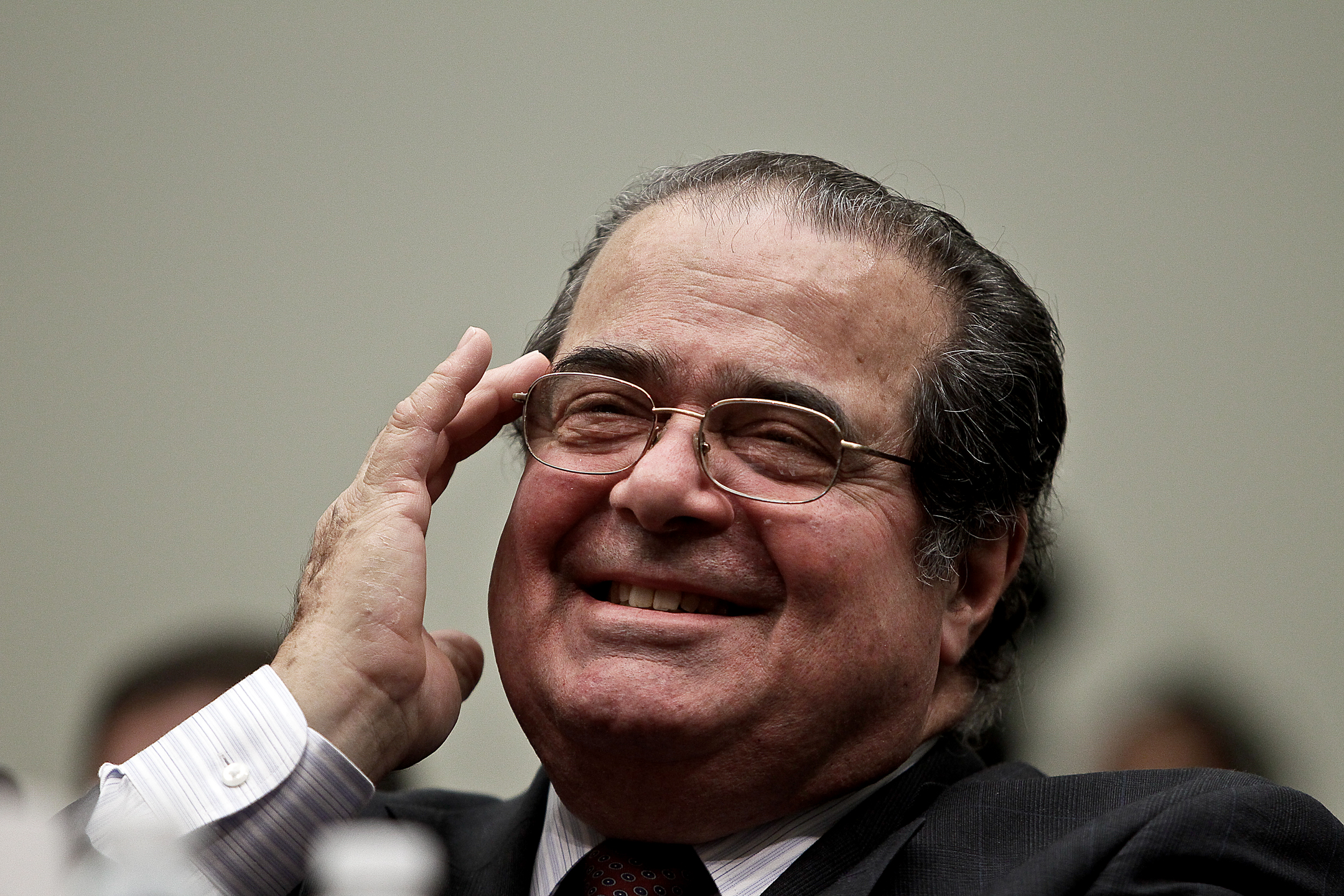
Sen. Lindsey Graham (R-SC) urged President Donald Trump to end peace talks with Iran during a Senate Appropriations Committee hearing on Tuesday [1].
Graham's public call for a policy shift comes as the U.S. administration manages simultaneous high-stakes diplomatic efforts with two of its primary global adversaries. The timing suggests a push to harden the U.S. position on Tehran before the president concludes his current diplomatic engagements.
The senator spoke during a defense subcommittee hearing in Washington, D.C., where he said the current negotiations with Iran are disastrous [1]. Graham said the administration's approach to the peace talks is failing to produce the desired security outcomes for the U.S. and its allies.
These remarks coincided with the start of a historic summit in Beijing on May 13, 2026 [2]. President Trump met with Chinese leader Xi Jinping to kick off the event, which aims to address critical trade and security issues between the two superpowers [2].
Graham used the hearing to offer predictions on how the Trump-Xi meeting would unfold. He said the outcome of the Beijing summit should be viewed in tandem with the U.S. strategy toward Iran, implying that concessions in one region could impact leverage in another [1].
During the proceedings, Graham also mentioned a figure of one dollar in relation to alleged Pentagon costs [1]. The senator's focus remained on the necessity of a more aggressive posture toward Iran to ensure that U.S. interests are protected during the current window of international diplomacy.
“Sen. Lindsey Graham (R-SC) urged President Donald Trump to end peace talks with Iran”
Graham's intervention signals a growing rift or a strategic pressure campaign within the Republican party regarding the administration's diplomacy. By linking the Iran talks to the Trump-Xi summit, Graham is framing the U.S. approach to the Middle East as a component of a broader geopolitical struggle with China, suggesting that perceived weakness in one area diminishes the president's bargaining power in Beijing.