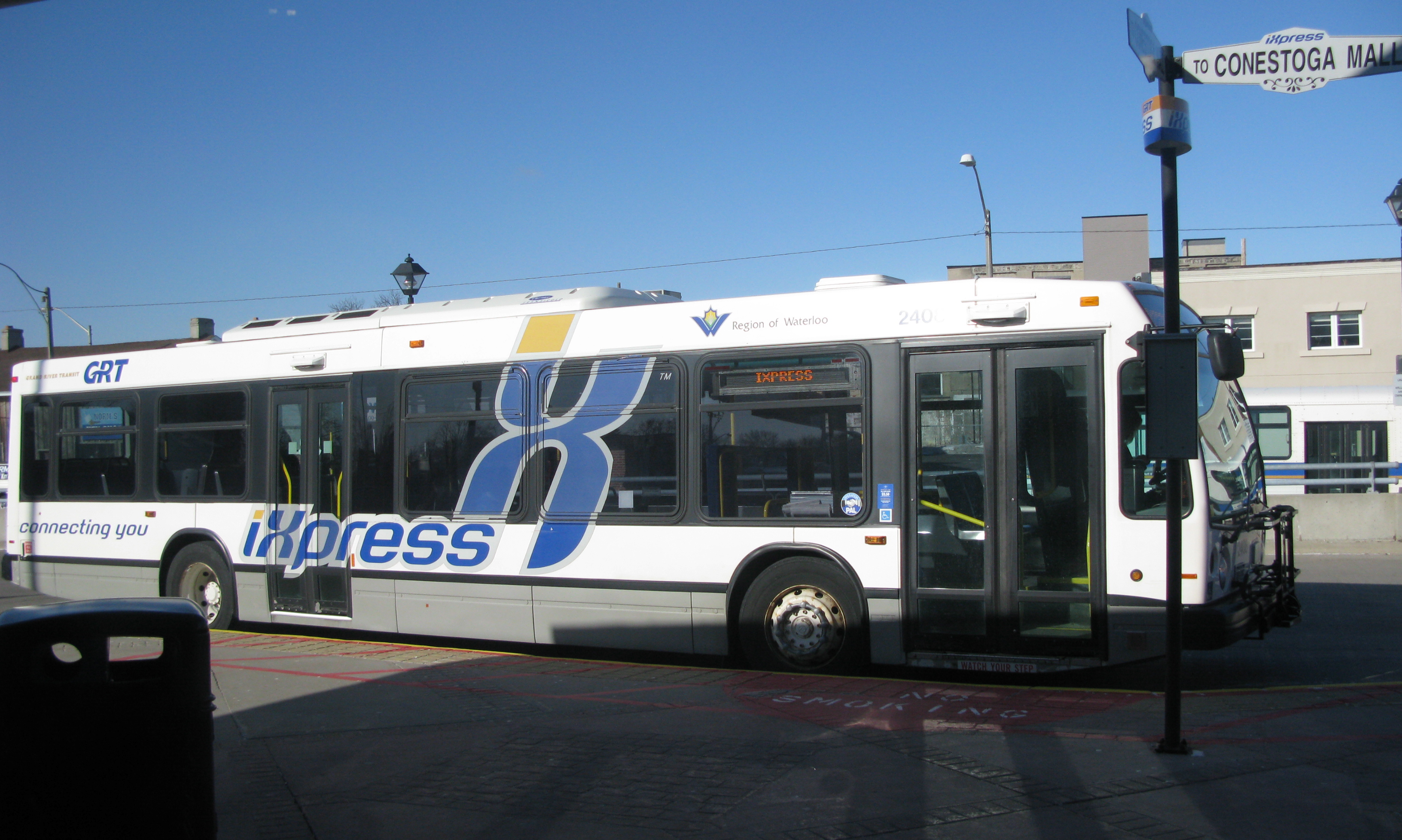
Grand River Transit workers represented by Unifor Local 4304 are in a legal position to begin a strike on May 1, 2026 [1].
A work stoppage would disrupt primary transportation for thousands of commuters in the Region of Waterloo, impacting travel across Kitchener and Waterloo.
The potential strike follows a period of stalled labor negotiations between the Region of Waterloo and the union [2]. Because the parties have not reached an agreement, the workers have now met the legal requirements to initiate a strike [2].
Unifor Local 4304 represents the transit workers who operate the regional bus system [1]. The union and the regional government have been engaged in discussions to secure a new contract, but the breakdown in talks has left the service vulnerable to an immediate shutdown [3].
Local officials and transit users are monitoring the situation as the May 1 [1] deadline approaches. The Region of Waterloo manages the transit infrastructure and is the employer responsible for negotiating the terms of employment with the union [2].
If the strike proceeds, it could lead to a total or partial cessation of bus services throughout the Kitchener-Waterloo area [3]. This would affect workers, students, and residents who rely on the public transit network for daily movement within the region [3].
Both sides have not yet announced a resolution to the dispute. The legal strike position means the union has the authority to call for a walkout if a deal is not reached before the start of the work day on May 1 [1].
“Grand River Transit workers are in a legal position to begin a strike on May 1, 2026.”
The transition to a legal strike position serves as a high-pressure tactic in labor negotiations. By establishing a concrete date for a potential walkout, the union increases the urgency for the Region of Waterloo to make concessions to avoid a total collapse of public transit infrastructure, which would create significant economic and social friction in the region.


