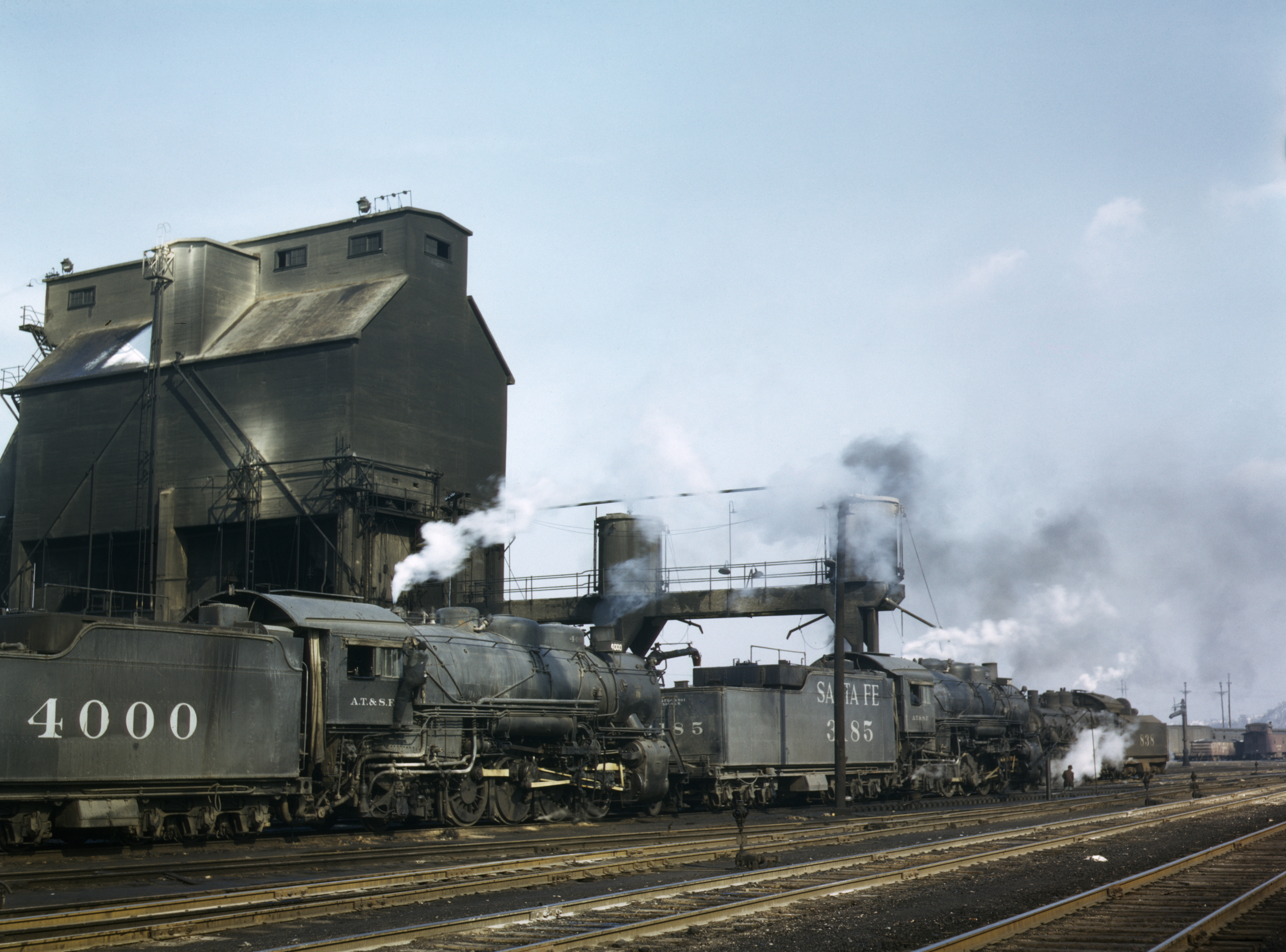
Greenbrier reported weaker second-quarter earnings as a stagnant rail freight fleet replacement market led to lower railcar deliveries [1].
The decline reflects a broader slowdown in the demand for new freight equipment, impacting the company's ability to maintain previous revenue levels. This trend suggests a period of contraction for railcar manufacturers as operators delay fleet updates.
Sales for the company, traded as NYSE:GBX, fell 31.6% year on year [2]. Total revenue for the period reached $576.5 million [2]. These figures highlight a significant gap between current performance and the results seen during the same quarter in the previous year.
Industry analysts said that the lack of activity in the replacement market weighed heavily on both revenue and profits [1]. The company faced a challenging environment where the delivery of new cars did not meet previous expectations [1].
Greenbrier's financial outlook remains tied to the recovery of the freight sector. While the company continues to operate in a competitive landscape, the current dip in sales underscores the volatility of the rail transportation industry [2].
According to reported data, the company's midpoint expectations for specific financial metrics stood at $2.45 billion [2]. This figure provides a benchmark for the scale of the company's operations despite the quarterly downturn.
“Sales falling 31.6% year on year to $576.5 million.”
The sharp decline in Greenbrier's quarterly revenue indicates a cooling period in the industrial rail sector. When rail operators stop replacing aging fleets, it creates a ripple effect through the manufacturing supply chain. This downturn may signal that rail companies are prioritizing the maintenance of existing assets over the purchase of new cars, likely due to economic uncertainty or a shift in freight volume projections.
'%2F%3E%0A%20%20%20%20%3Crect%20width%3D'1600'%20height%3D'900'%20fill%3D'url(%23v)'%2F%3E%0A%20%20%20%20%3Cg%20opacity%3D'0.08'%20fill%3D'%23ffffff'%3E%0A%20%20%20%20%20%20%3Ccircle%20cx%3D'1420'%20cy%3D'180'%20r%3D'220'%2F%3E%0A%20%20%20%20%20%20%3Ccircle%20cx%3D'1500'%20cy%3D'760'%20r%3D'120'%2F%3E%0A%20%20%20%20%3C%2Fg%3E%0A%20%20%20%20%3Cline%20x1%3D'80'%20y1%3D'172'%20x2%3D'220'%20y2%3D'172'%20stroke%3D'%23ffffff'%20stroke-width%3D'3'%20stroke-opacity%3D'0.6'%2F%3E%0A%20%20%20%20%3Ctext%20x%3D'80'%20y%3D'140'%20font-family%3D'Inter%2C%20-apple-system%2C%20Helvetica%2C%20sans-serif'%20font-weight%3D'700'%20font-size%3D'28'%20fill%3D'%23ffffff'%20letter-spacing%3D'6'%3EHANNA%20%C2%B7%20NEWS%3C%2Ftext%3E%0A%20%20%20%20%3Ctext%20x%3D'80'%20y%3D'230'%20font-family%3D'Inter%2C%20-apple-system%2C%20Helvetica%2C%20sans-serif'%20font-weight%3D'600'%20font-size%3D'40'%20fill%3D'%23ffffffb3'%20letter-spacing%3D'4'%3EBUSINESS%3C%2Ftext%3E%0A%20%20%20%20%3Ctext%20x%3D'80'%20y%3D'622'%20font-family%3D'Playfair%20Display%2C%20Georgia%2C%20serif'%20font-weight%3D'800'%20font-size%3D'86'%20fill%3D'%23ffffff'%20letter-spacing%3D'-1'%3EUS%20Housing%20Market%20Remains%3C%2Ftext%3E%3Ctext%20x%3D'80'%20y%3D'721'%20font-family%3D'Playfair%20Display%2C%20Georgia%2C%20serif'%20font-weight%3D'800'%20font-size%3D'86'%20fill%3D'%23ffffff'%20letter-spacing%3D'-1'%3ESluggish%20as%20Summer%202026%3C%2Ftext%3E%3Ctext%20x%3D'80'%20y%3D'820'%20font-family%3D'Playfair%20Display%2C%20Georgia%2C%20serif'%20font-weight%3D'800'%20font-size%3D'86'%20fill%3D'%23ffffff'%20letter-spacing%3D'-1'%3EBegins%3C%2Ftext%3E%0A%20%20%20%20%3Ctext%20x%3D'80'%20y%3D'870'%20font-family%3D'Inter%2C%20-apple-system%2C%20Helvetica%2C%20sans-serif'%20font-weight%3D'500'%20font-size%3D'22'%20fill%3D'%23ffffff66'%20letter-spacing%3D'2'%3Enews.hanna-ai.com%3C%2Ftext%3E%0A%20%20%3C%2Fsvg%3E)

