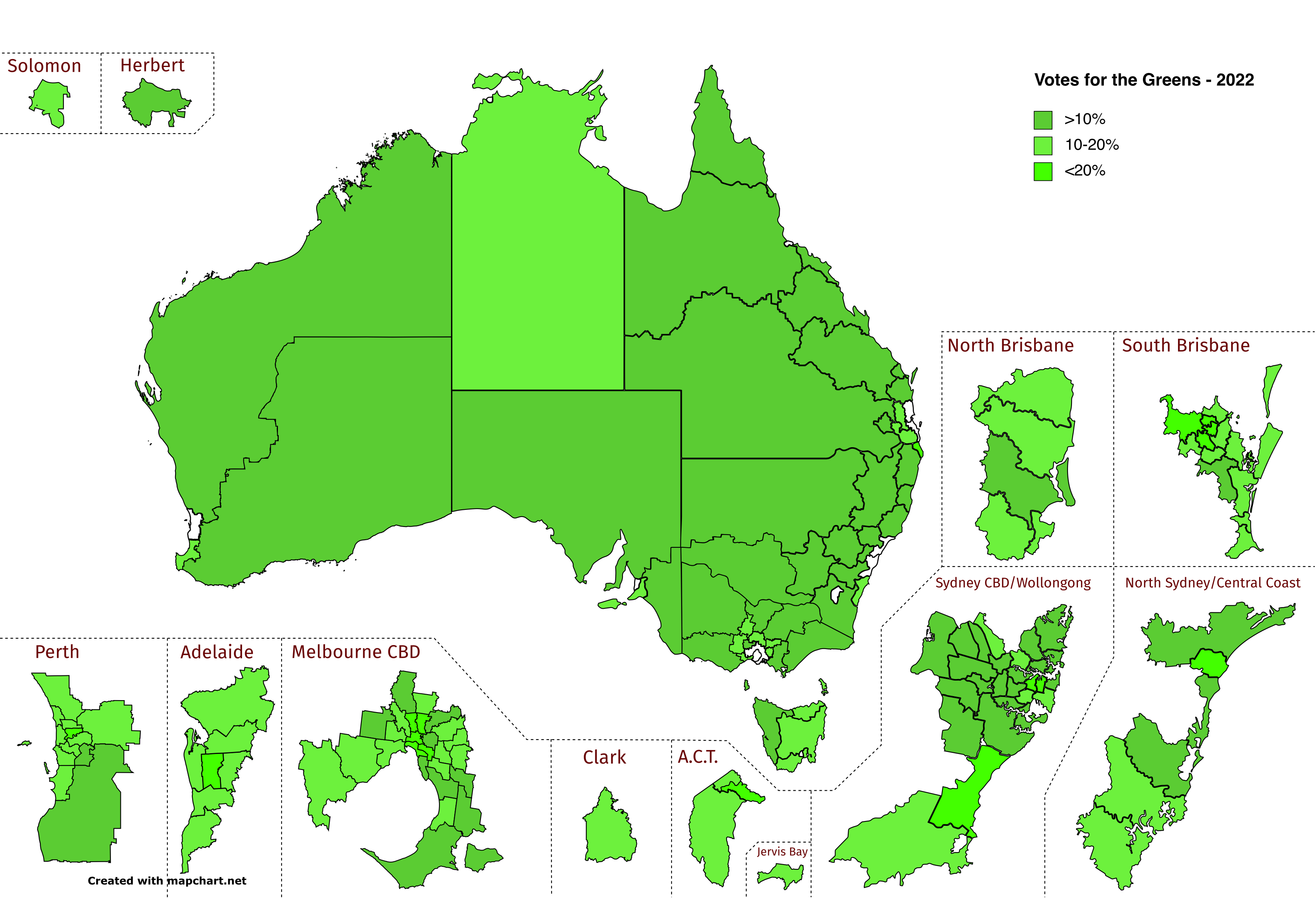
The Greens raised concerns regarding ministerial discretion in a federal budget bill containing significant tax changes and reforms [1].
These powers could allow the Finance Minister to grant specific exemptions without broader parliamentary scrutiny, potentially creating an uneven application of the law. This tension arises as the government seeks to pass critical fiscal measures before the new month.
The budget bill includes a series of reforms targeting negative gearing, trust rules, and a change to the capital gains tax (CGT) discount [1]. It also incorporates a $250 tax offset [3]. These measures are expected to be passed by early July 2026 [3].
Members of the Greens party questioned whether Finance Minister Jim Chalmers could use these discretionary powers to exempt homeowners within his own electorate from the CGT changes [3]. The party said that such a mechanism lacks the necessary oversight to ensure fairness across the country.
The debate took place in the Australian Federal Parliament in Canberra [1]. The Greens said that the ability to bypass standard parliamentary review for individual exemptions could lead to political favoritism [3].
Chalmers has not provided a detailed rebuttal to the specific allegation regarding his electorate, but the government continues to push for the passage of the budget bill to meet the early July deadline [3].
“The Greens raised concerns about the ministerial discretion in the federal budget bill.”
The dispute highlights a fundamental conflict between executive efficiency and legislative oversight. By granting the Finance Minister discretionary power to exempt certain groups or individuals from tax reforms, the government may expedite the implementation of the budget, but it risks accusations of political patronage and systemic unfairness in the Australian tax code.